Ready-made, one-time
$3,999
RedNote Clone
Live in 6 working days from kickoff
- Full source code
- White-label under your brand
- 60 days of technical support
- 1 year of free updates
- App publishing support
Lifestyle discovery and shopping app
Lifestyle posts that lead straight to the shop
Build a discovery app where members share image-led posts, follow topics, save what they like and buy from the same feed. Publishing, a native shop, shoppable tags, creator tiers and a twelve-panel admin console come ready, with web, Android and iOS from one codebase you own.
The facts a buyer checks first, in one place. Everything on this page is the product as it ships.
| Product type | Lifestyle notes community with saves, search and in-feed shopping |
|---|---|
| Surfaces | Web app, Android app and iOS app from one codebase, plus an admin console |
| Platform price | $3,999 one-time, deployed on your own infrastructure |
| Launch time | 6 working days; time depends on how fast your credentials arrive |
| Content formats | Image carousels with captions and hashtags, reels, stories and scheduled posts |
| Discovery | User and hashtag search, hashtag following, private saves and an audio library |
| Stack | React 18, TypeScript 5, Vite 5, PostgreSQL 14, Supabase Auth, Capacitor 8 |
| Source code | Full source, schema and migrations, with no per-seat fee |
| Payment gateways | Stripe, Razorpay, PayPal, Apple Pay or Google Pay via your own merchant credentials |
| Support and updates | 60 days technical support, 1 year free updates, app publishing support |
A RedNote clone is a ready-made lifestyle and social shopping platform. Members publish posts built around images, other members find them through topics and follows, and products sit inside the same experience. Founders typically look for this kind of product when the goal is recommendation-led commerce rather than entertainment feeds alone.
This one is delivered as source code, not a theme. You receive the React and TypeScript application, the PostgreSQL schema with 49 ordered migrations, and the documentation that explains them. Web, Android and iOS ship from a single bundle, and you rebrand every surface with your own name, tokens and brand constants.
Capabilities are labeled as included, configuration required or integration required, so payment capture, email, SMS and push are clearly separated from shipped features. Everything can be enabled, disabled or extended, and anything more can be added around the platform, with the scope confirmed on a short scoping call.
RedNote is the international name of Xiaohongshu, often translated as Little Red Book. It began in China as a place where people share notes: image-led posts and short videos about products, travel, food, beauty and daily life. Readers find them by searching topics rather than only by following people, trust recommendations from ordinary users, and can buy products discussed in the same app. It drew wide attention outside China when many new users joined in early 2025.
A RedNote clone is a ready-made lifestyle and shopping community under your own name. It is not the original service, and it holds none of its members or content. What it offers is the pattern: members publish posts with captions and hashtags, others save and discuss them, and products are tagged right inside the post. You choose the niche, the language and the market, and you own the data.
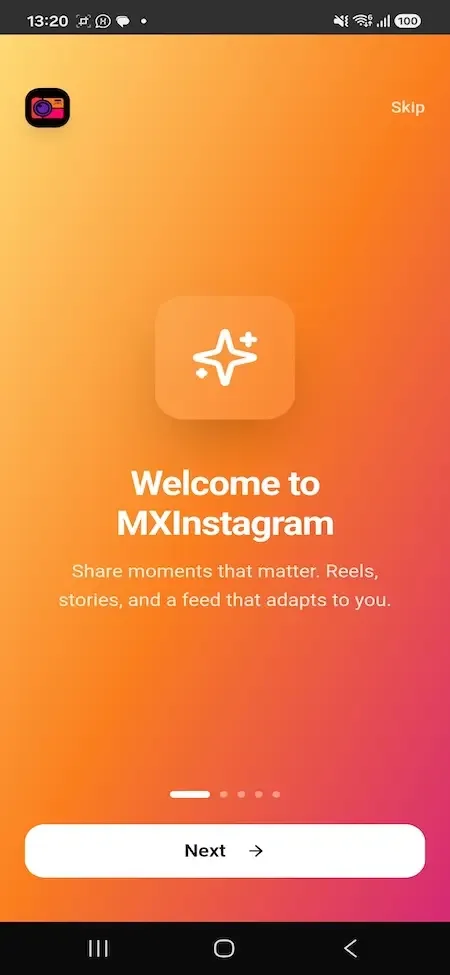
Each role works in its own side of the same product. The screens come from the working demo.
A reader opens the app to find out what to try, buy or visit next. They scroll image-led notes, follow topics through hashtags, search for people and tags, and keep favorites in a private collection. The loop rewards curiosity more than a follow list.

The shop sits next to the content, so a recommendation can become an order without leaving the app. Buyers meet tagged products inside notes, add items from several sellers to one cart and follow each order through its stages.


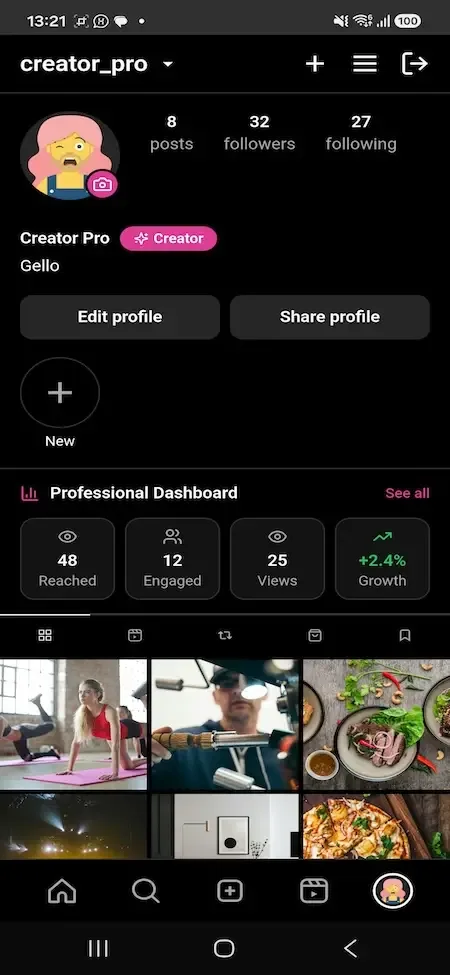
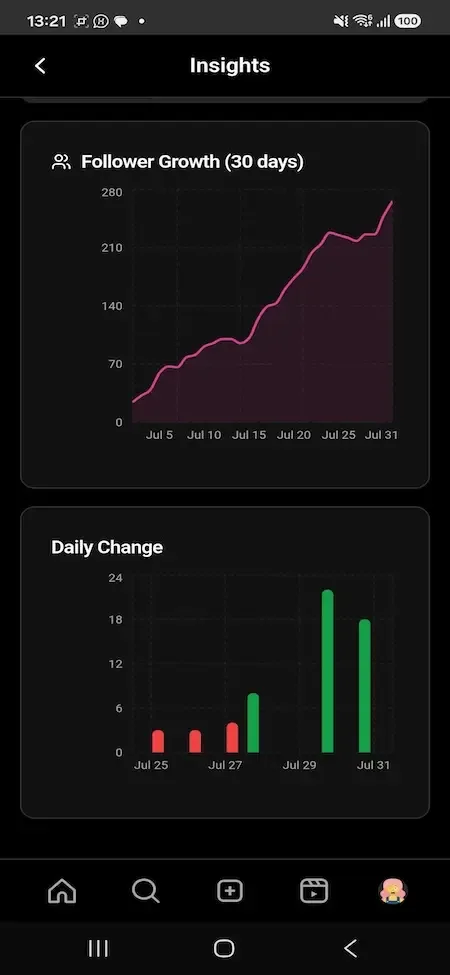
Creators build trust through consistent notes and reply to their readers. The product gives them ways to earn from that trust and tools for closer circles, such as close-friends stories, subscription tiers and private messages.

Operators manage a community built on recommendations, so quality and trust are the daily work. The console covers moderation, verification, commerce and revenue, with an audit trail beneath every action.
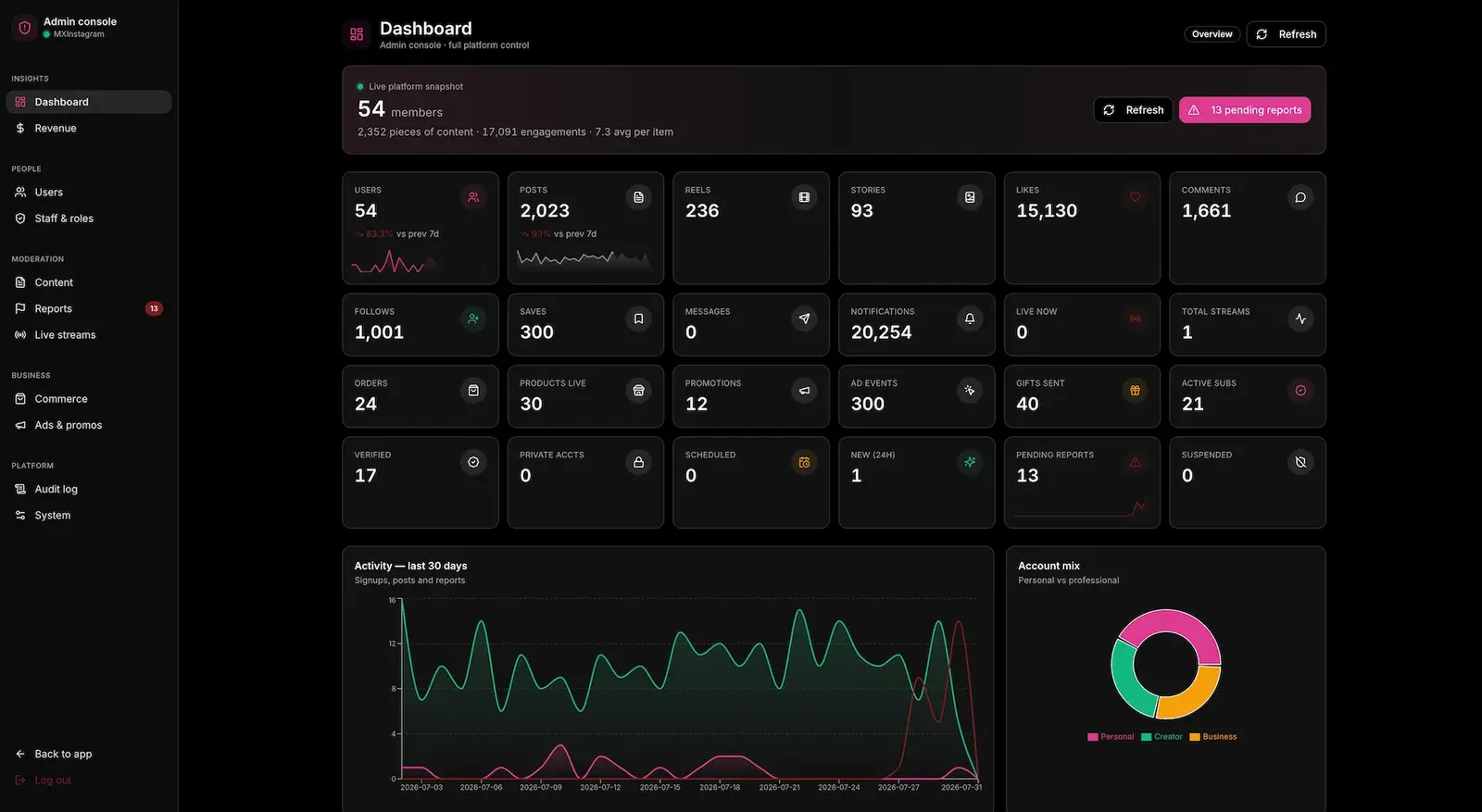
17 screens from the working demo, grouped by where they live. Your platform ships rebranded with your name, logo and colors.

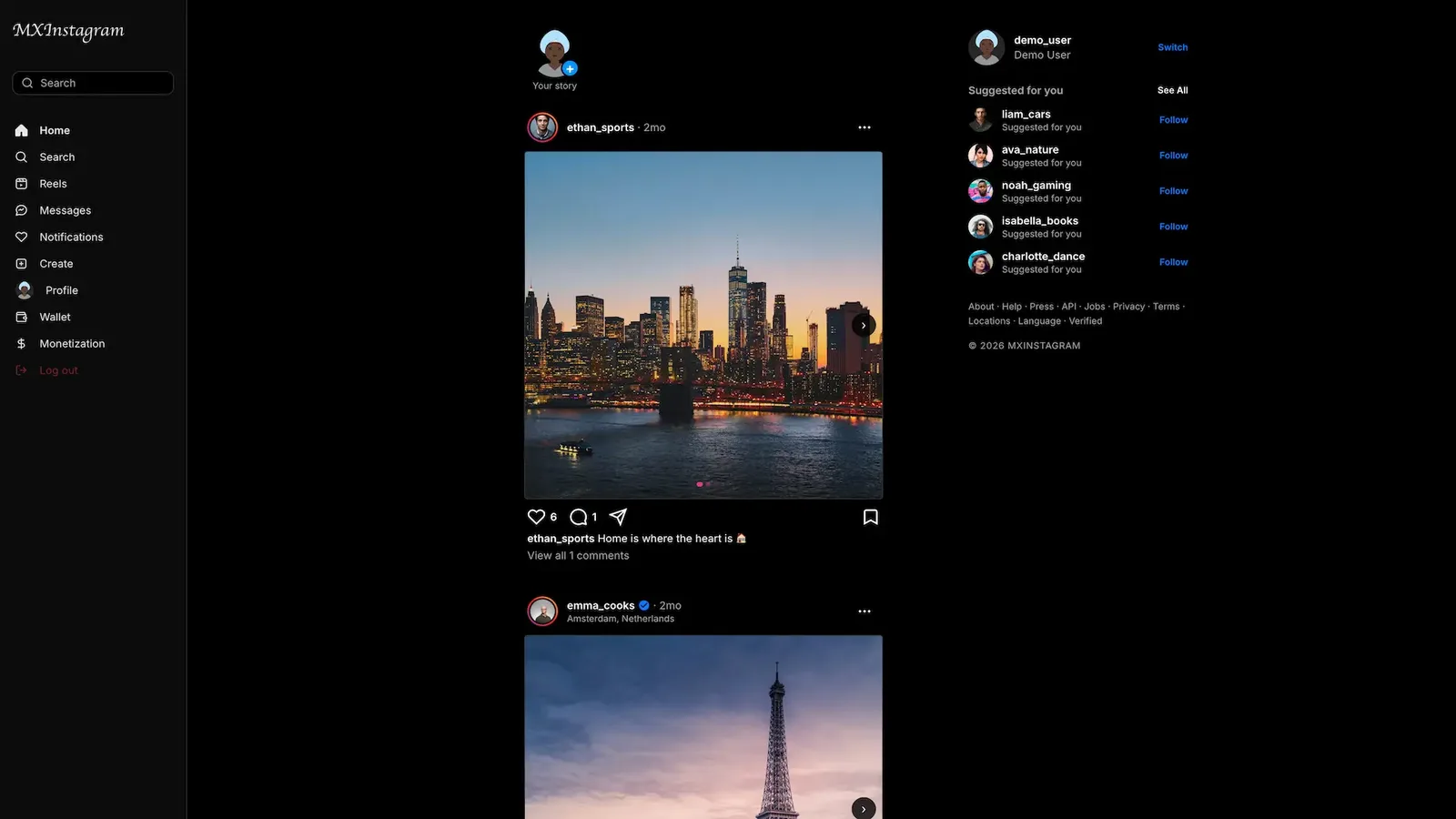
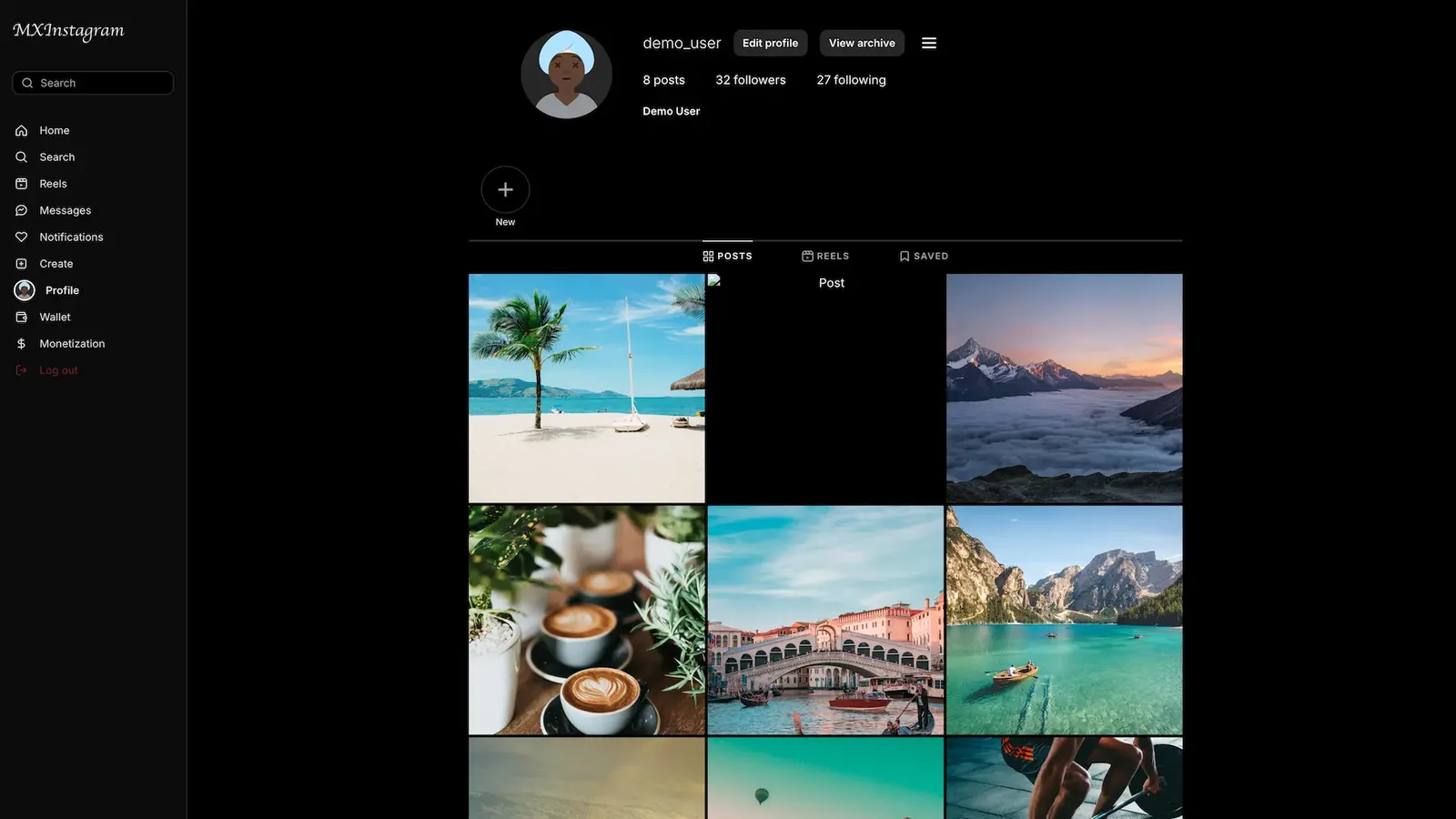

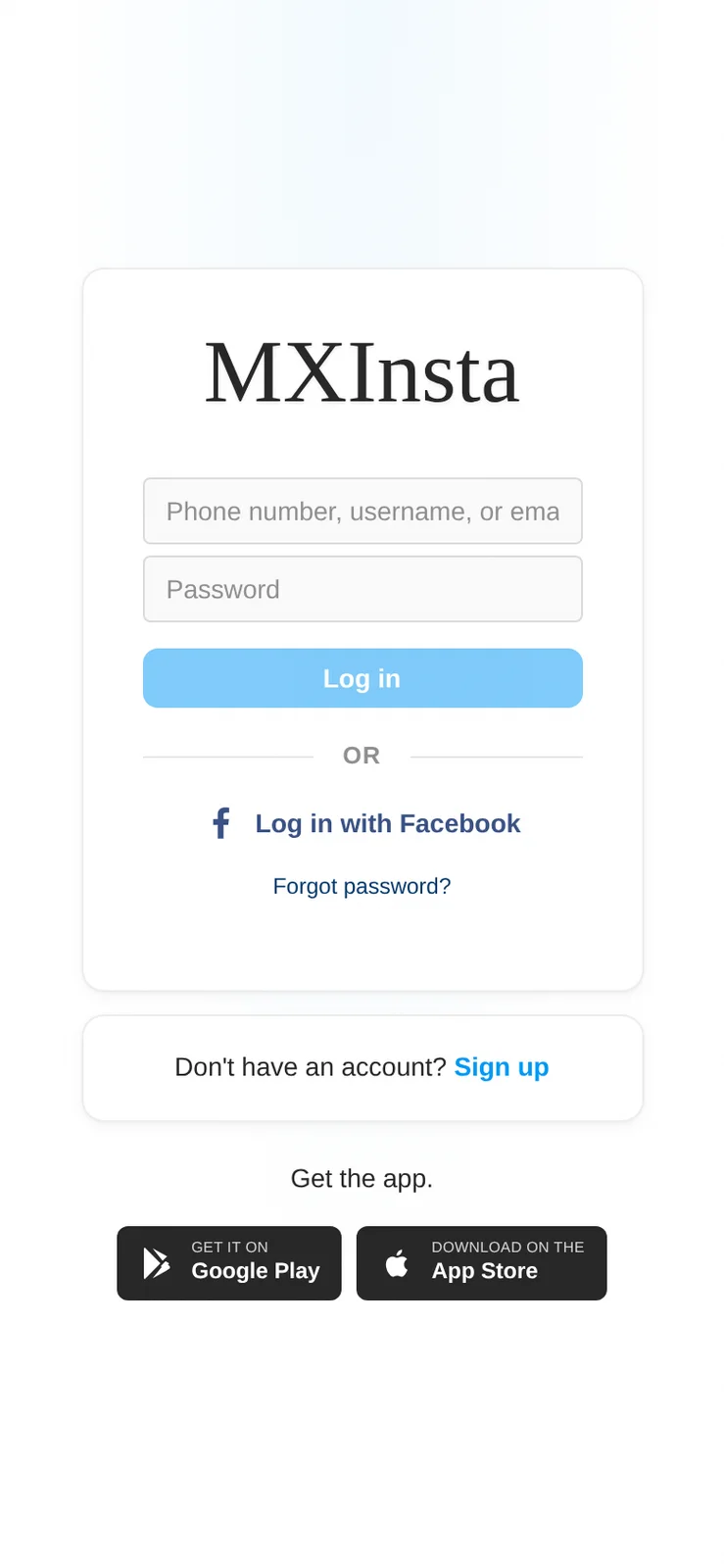
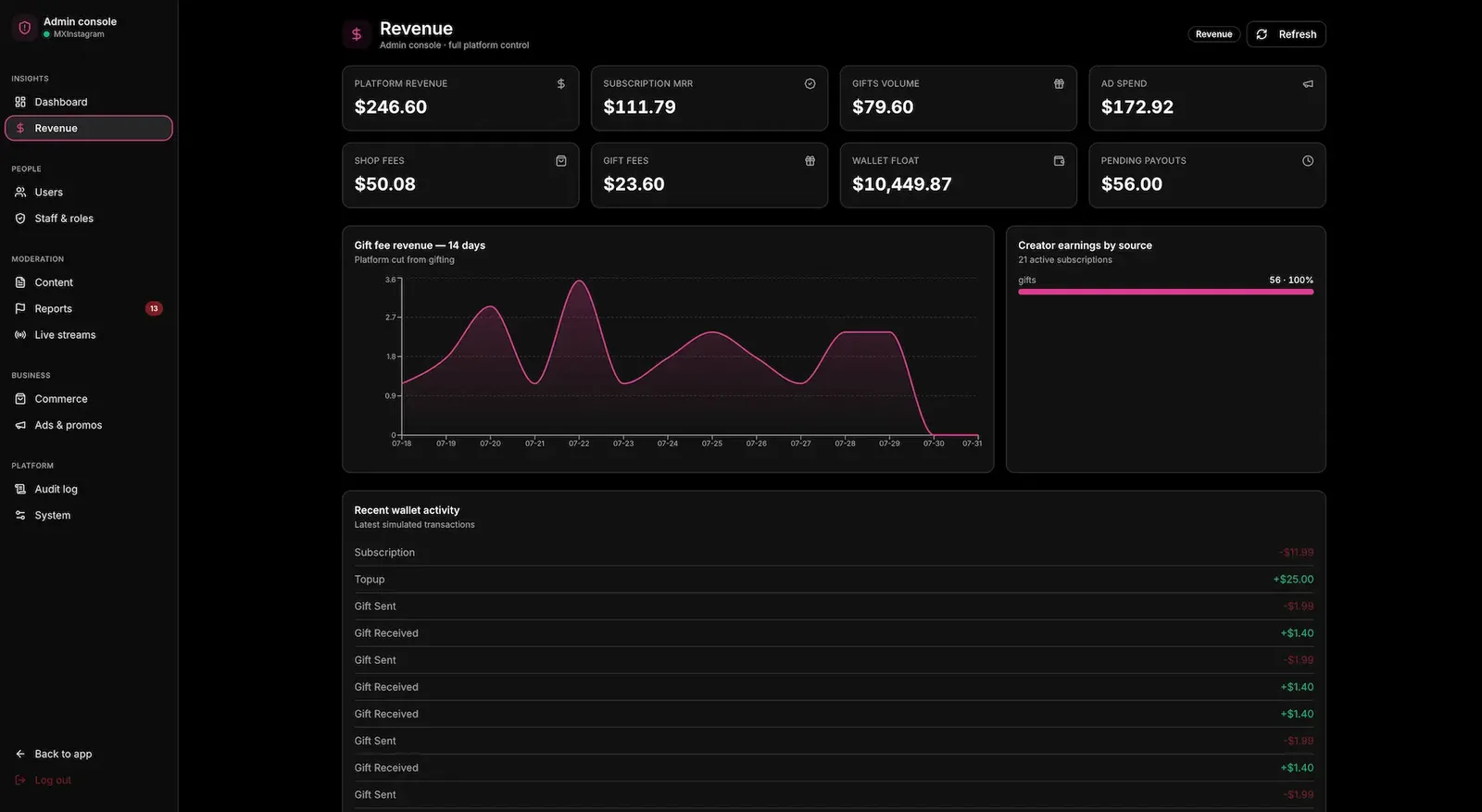
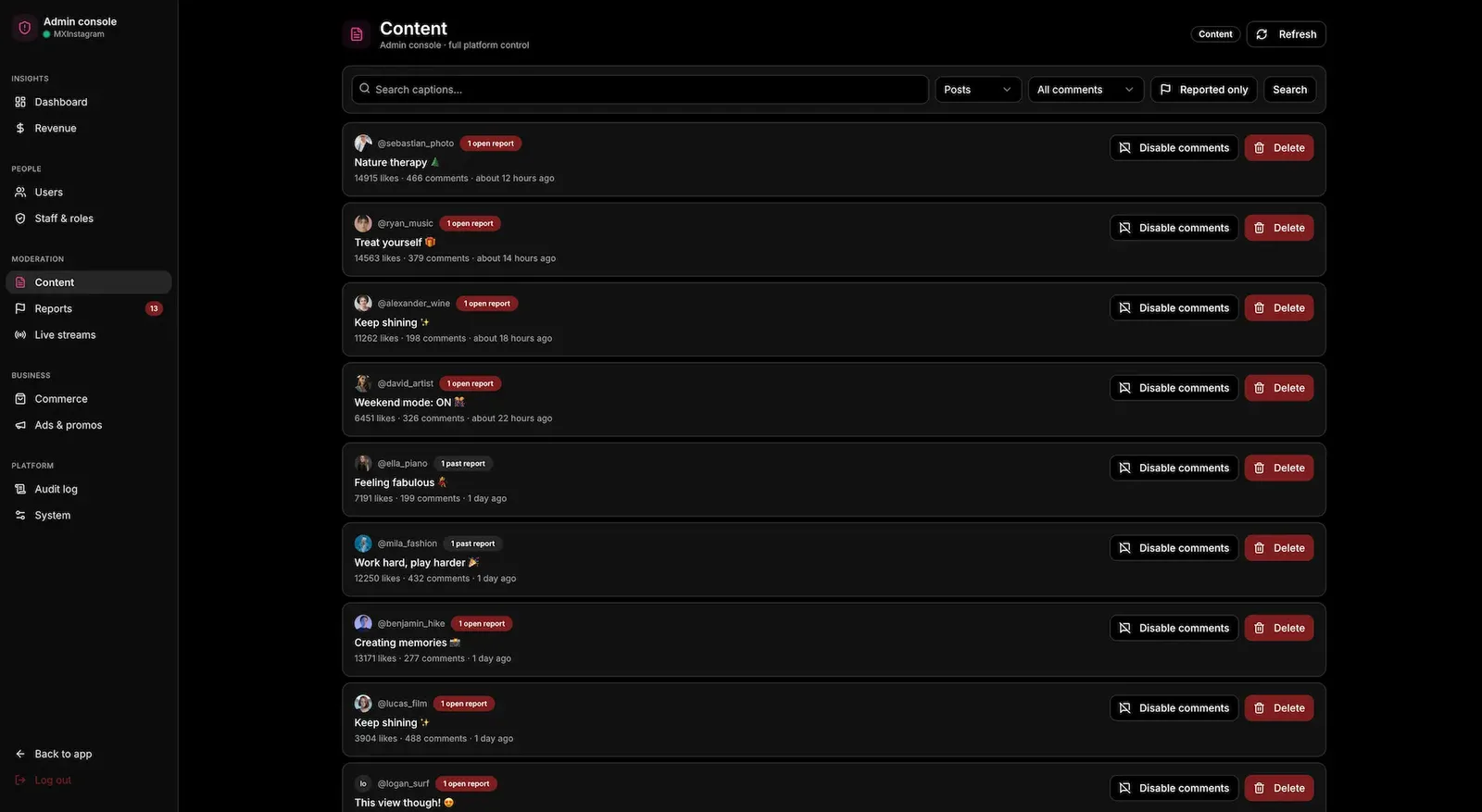
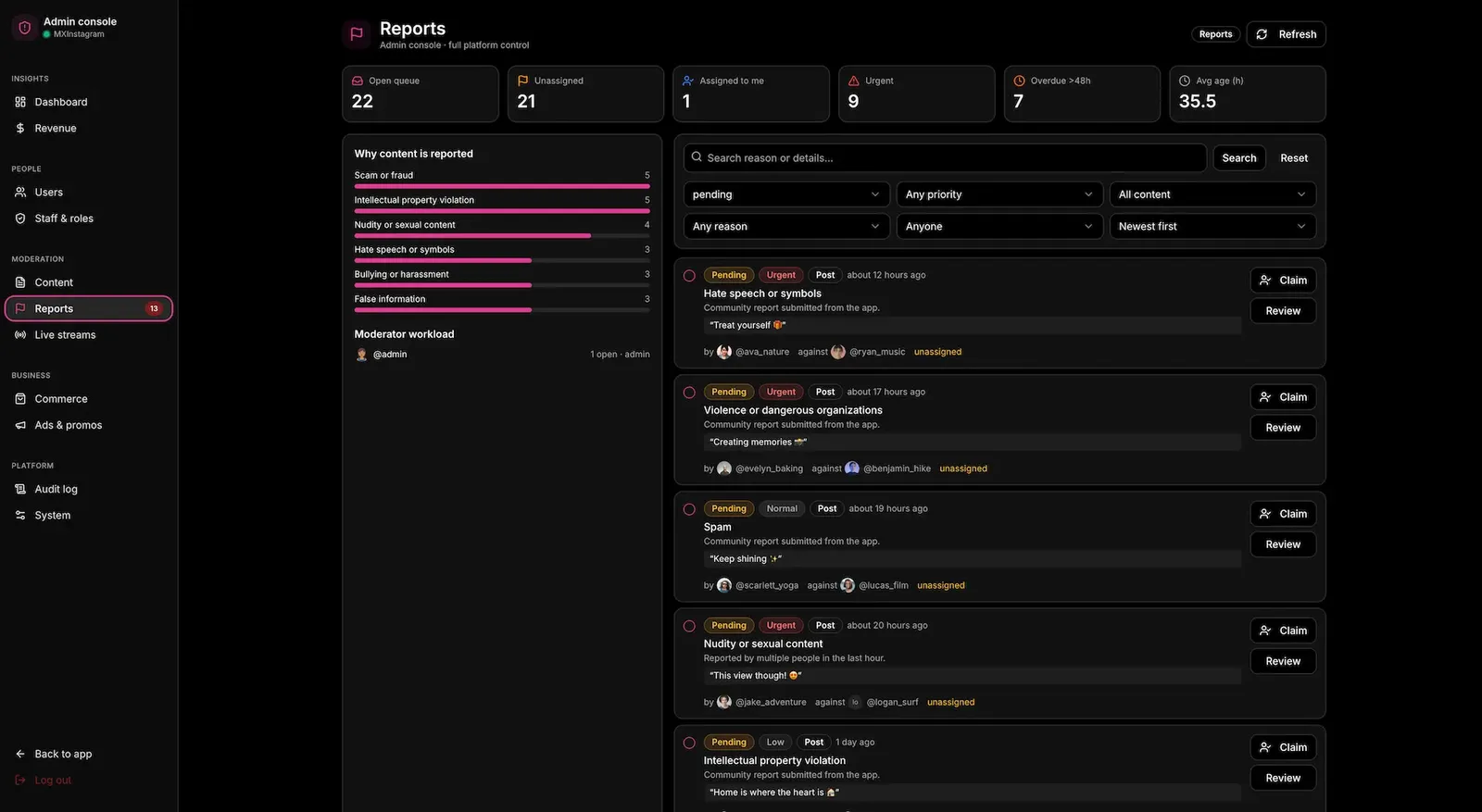
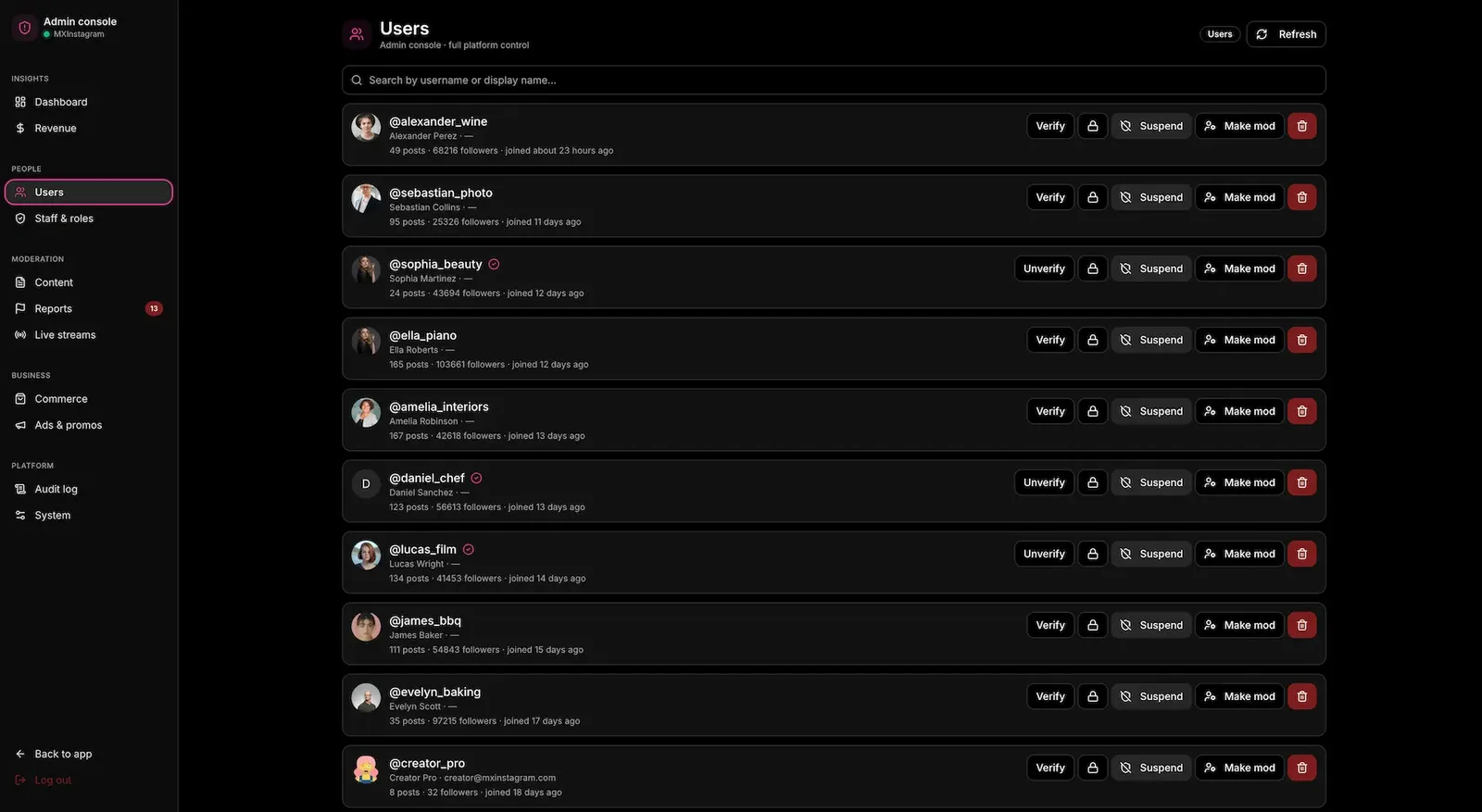
A RedNote-style notes and shopping app runs on the same social commerce platform as our Instagram product, so the demo below is that shared build, shown with our demo branding and a public login for each role. Sign in as a member to read and save posts, as a creator to see tiers and tags, or as an operator to open the console.
demo@mxinsta.comdemo123creator@mxinsta.comcreator123admin@mxinsta.comadmin123demo@mxinsta.comdemo12347 features across 4 roles. The first six of each role are here and the full list is one click away. Nothing is held back for a sales call.
A note can hold several images in a swipeable set, with cropping done before upload so each frame looks intended.
Text and tags travel with each note, giving the community a way to describe and group what is shared.
Readers follow a tag the way they follow a person, so the feed pulls in notes from topics they care about.
Search finds people and tags directly, which suits readers who arrive with a specific interest.
Saved notes stay visible only to the member who saved them, which lets readers build personal guides.
Replies sit under the comment they answer, so recommendations and follow-up questions stay readable.
7 more Notes and discovery features are in the full list.
Product tags placed at chosen points on posts and reels open the listing for the item shown.
Sellers publish products with galleries of several images, so buyers see items from every angle.
Items from different sellers share one cart but are split by seller for checkout.
Each order moves through defined states that buyers, sellers and operators can all read.
Sellers feature products during a broadcast, and viewers buy from the same catalogue used in the shop.
Buyers pay from wallet balance, which keeps shop sales on the same ledger as other transactions.
5 more Shopping features are in the full list.
Creators define tiers with named perks and prices, and subscribers receive what each level promises.
Selected notes can be restricted to subscribers or to a minimum tier.
Members buy a badge on plans you define, or apply for free review with documents.
A catalogue of gifts lets readers reward a note or a live session from their wallet.
A note can carry a goal, a deadline and a running total, which suits community causes.
Stories can be shared with a smaller list, giving creators a place for more personal updates.
6 more Creators and community features are in the full list.
Platform indicators with a thirty-day trend give a quick read on growth and activity.
Search users, suspend or restore them and soft-delete within a recovery window.
Two role levels keep review work apart from the panels that move money.
Reports flow through pending, in review, escalated, resolved and dismissed, with four priorities and assignees.
Moderators leave notes for colleagues and act on groups of reports together.
Applications with legal name, category, country and documents wait in a dedicated queue.
5 more Operators features are in the full list.
The path through the product, in the order it happens for the people using it.
Members sign up and choose public, private or follower-gated visibility, enforced by one database rule.
Creators publish carousel posts or reels, add hashtags and tag products from the catalogue.
Others find posts through hashtag follows, search and the feed, then save, comment or follow.
A tapped tag opens the product, a per-seller cart collects the order and checkout charges the wallet.
Order fees and creator earnings write to the ledger, and operators handle refunds and moderation from the console.
Every earning route built into the product you receive: how it works, who pays and where the operator earns.
| Revenue model | How it works | Who pays | How you earn |
|---|---|---|---|
| Shop commission | A fee is applied to each delivered order and stored as a separate ledger row, so every sale shows what the platform earned. | Seller | Fee per delivered order; 5% by default and adjustable |
| Verified profiles | Members pay for a badge on plans you name and price, while a free review route stays open for those who prefer to apply. | Member | Plan fees you set |
| Creator tiers | Readers subscribe to a creator for gated notes and perks, with each subscription settled in one atomic step. | Subscriber | Your share of each tier payment; 70/30 in the creator favor by default |
| Gifts | Readers buy gifts from the catalogue with wallet balance and send them on notes or during live sessions. | Reader | Platform share of every gift |
| Boosted notes | Creators and brands pay to promote notes and reels with daily caps, so recommendations reach beyond followers. | Creator or brand | Spend recorded event by event |
| Wallet top-ups | Members add funds to a wallet that pays for the shop, gifts and subscriptions. | Member | Enables every other line; no fee unless you add one |
| Live drops | Sellers present products on stream, and viewers buy from the shop catalogue during the show. | Buyer | Order fee on each delivered live sale |
The flow of money, the gateways you can connect and how payouts are handled.
A note that sells something needs a payment path that holds up. Here every purchase moves through a wallet with an append-only ledger, so the balance is always the sum of its entries. Orders, subscriptions and gifts settle in single locked steps that cannot create funds. The wallet logic is finished. Real-money top-ups need a payment provider that you connect with your own merchant credentials.
| Gateway | What it covers |
|---|---|
| Card | |
| Stripe | Card payments into the wallet, set up through your own account. |
| Regional | |
| Razorpay | A regional gateway to connect where it operates, using your merchant details. |
| Wallet | |
| PayPal | Lets buyers pay from an existing PayPal balance after you connect credentials. |
| Apple Pay | Simple checkout for Apple devices once your merchant account is linked. |
| Google Pay | Simple checkout for Android and the web once your credentials are linked. |
You operate the platform, so legal compliance in each market you serve is yours. This is the tooling that ships in the product. It is not legal advice.
A community built on recommendations lives on trust, so undisclosed advertising and fake praise do real damage. Reporting works on each note, comment and message, and reviewers can hide or remove content with an attributed record. Decide your sponsored-content policy before launch and tell creators how to disclose paid posts.
One database rule decides who may see each note, covering public accounts, private accounts, follows and blocks, and storage uses the same rule. A private profile stays private even if an interface bug appears. Readers can export their data or delete their account, and you must still publish a notice that matches.
Prices are checked on the server, totals are recalculated from items and order records are locked after creation. Refunds are issued by operators and credited to wallets. These controls protect the transaction itself. Seller vetting, product rules and consumer law in your market remain your responsibility.
Reports move through five states with four priorities, assignment, internal notes and bulk actions. Deletes are soft with a recovery window, so an error can be undone. For a taste-led community, write guidance on topics such as health claims and counterfeit goods, because those shape what moderators remove.
Email and password sign-in is available with optional TOTP second factor. Personal data is kept in a private table apart from public profiles, and admin rights can only be granted directly in the database. Keep that access with a small number of trusted people.
The handover includes a security handbook, schema guide and a VAPT posture document, with controls mapped to OWASP-oriented categories. Production secrets, network rules and provider credentials depend on your deployment. We supply tooling and documents, not legal advice or certification.
Unit prices are looked up server-side, forged prices are rejected and order totals are recalculated from their items.
Money moves in atomic, row-locked functions against an append-only ledger. Real payment capture needs your own provider credentials, and you are responsible for tax, consumer and product-category rules in your market.
The layers of the product as delivered. You receive the full source code for every one of them.
| Layer | Built with | Hosting note |
|---|---|---|
| Frontend | React 18, TypeScript 5, Vite 5 and SWC, with Radix primitives and Tailwind CSS 3 | |
| Data and forms | TanStack Query 5, react-hook-form and zod | |
| Database | PostgreSQL 14 with Row-Level Security on every table | PostgreSQL 14 stores notes, comments, orders and ledgers, with policies protecting every table. |
| Identity | Supabase Auth with optional TOTP MFA | |
| Mobile and edge | Capacitor 8 for Android and iOS, plus Deno edge functions | Deno functions handle dashboard statistics, privileged user actions, scheduled publishing, demo data and account setup.Capacitor 8 packages the same bundle for Android and iOS, with native camera and haptics. |
| Real-time | Postgres change data capture and presence channels | |
| Media storage | Five policy-gated buckets hold images, video and replays, with public files served via CDN and private ones by signed URL. | |
| Sign-in | Supabase Auth handles accounts, with an optional authenticator-app second factor. | |
| Live updates | Change data capture and presence channels deliver typing, presence and live chat updates. | |
| Growth path | Read replicas, point-in-time recovery and a CDN in front of public media are the documented levers. | |
The app is a client over a Postgres database with real-time channels and edge functions, deployed in your own environment with our provisioning guidance. For a content-and-commerce app the work is mostly database and media storage, and the plan below shows where each lives.
Social commerce means the post and the purchase live in one place. The path has several steps, and each needs a decision from the operator. This table follows one recommendation from publishing to delivery, with what ships and what you configure at each stage.
| Stage | What the platform does | What you decide |
|---|---|---|
| Seller lists a product | Stores galleries and details in the catalog | Who may sell, what you verify and which categories are allowed. |
| Creator tags it in a post | Places a tag on the image or reel linked to the item | Whether sponsored or affiliated tags must be disclosed. |
| Reader taps the tag | Opens the product from the post | How prices, stock and shipping are shown. |
| Buyer checks out | Groups items per seller in a cart and records the order | Which payment provider you connect and which store billing rules apply. |
| Order is delivered or disputed | Tracks the order state and supports operator refunds | Refund rules, time limits and who arbitrates a dispute. |
| Fee is recorded | Writes the platform fee as its own ledger entry | The fee level and how it is explained to sellers. |
RedNote draws particular interest from non-English markets, and some buyers ask about where data is kept. The product runs wherever you host it, so these choices are yours. The points below cover what to decide early, without legal advice or claims about any specific country.
RedNote is known partly because people use it like a search engine for everyday decisions. The platform supports discovery through hashtag following, user and hashtag search, explore views and a feed that mixes followed members with followed topics. Searching the text inside captions and comments is something we set up for you with indexing work, and we can build a long-form note format too.
That matters for how you launch. Until full-text search is added, make hashtags do the work: seed a clear set of topic tags, show them prominently in the composer and encourage creators to use them consistently. A tidy tag system can carry a young community a long way, and you can add richer search when the volume of notes makes it worth the investment.
One fixed price for the ready-made platform, published here so you can plan before you talk to us.
Ready-made, one-time
$3,999
Live in 6 working days from kickoff
The engineers who deploy your platform stay with it once it is live.
Need more? We tailor the platform to your plan, typically in 2-8 weeks, and confirm the scope with you before work starts. App store review times are set by Apple and Google.
Everything here is available around the ready-made RedNote clone. We confirm the scope with you before any price is agreed.
Full-text search across the content itself, which suits a community where readers look things up by topic.
Confirm with usA longer article-style note type with richer layout, beyond the carousel posts that ship ready.
Confirm with usConnect Stripe, Razorpay, PayPal, Apple Pay or Google Pay so wallet top-ups take real money.
Confirm with usAutomated checks on images, video and captions ahead of human review, useful when volume rises.
Confirm with usWire APNs and Firebase Cloud Messaging with your credentials so alerts arrive outside the app.
Confirm with usSend creator and admin analytics to your warehouse for deeper cohort and lifetime-value work.
Confirm with usSingle sign-on, data residency selection, longer retention and custom service levels for demanding buyers.
Confirm with usFounders searching for a RedNote clone often expect a notes-and-search product, while some vendors only sell a short video feed. This matrix is built around what a lifestyle recommendation community needs; most of it ships ready, and the rest is set up around your plan, including where the real RedNote model goes further.
Multi-image posts with captions, hashtags and cropping before upload.
Vertical reels through the same publishing engine as image posts.
Members follow topics, so the feed draws from interests as well as people.
Saves form a personal collection that other members cannot see.
Replies in threads, with reporting on each comment.
Tags placed on images and inline mentions that respect privacy settings.
Members can share another post with their own comment.
Seller-listed products with galleries, a per-seller cart and checkout.
Tags positioned on images and reels link a post to the catalog.
Operators follow orders and process refunds that credit the buyer wallet.
Streams with chat, gifting and products surfaced while the host talks.
Plans you price, plus a free application route reviewed by staff.
Tiers with perks and a gift catalog settled against a wallet ledger.
Promoted posts with budget caps and an event ledger.
Reach, engagement, top content and earnings charts.
Twelve panels covering catalog, trust, revenue and an uneditable action record.
User and hashtag search ship; searching the text of posts needs indexing work, which we set up for you.
Connect Stripe, Razorpay, PayPal, Apple Pay or Google Pay with your credentials. We set this up for you.
Automated checks on images, video and captions before human review. We set this up for you.
An article-style note type with richer layout, which we build with the scope confirmed with us.
We build a review system around the shop listings, with verified-purchase rules scoped with you.
Moving funds out depends on the provider you connect and your rules.
Four pages go deeper on the questions buyers ask most about the RedNote Clone. This page stays the overview.
A lifestyle community is built on recommendations that people can find again and act on.
See the full breakdownA notes and shopping community has two sets of costs: the software, paid once, and the business of running a marketplace, paid continuously.
See exact pricingA notes community earns when readers trust a recommendation enough to act on it.
See the playbookA notes community that sells things needs search, trust and a checkout that holds together, so the choice of builder matters.
Compare optionsFrom kickoff to a live RedNote clone under your brand: what we do each day, and what we need from you.
1Day 1
2Day 2
3Day 3
4Day 4
5Day 5
6Day 6
A notes-and-shopping app is deceptively broad. The feed is the visible part, but search, saves, a cart, orders, refunds, a wallet and moderation each need design and testing. Building from scratch means paying for all of them before the first reader can buy anything, and shopping often gets pushed to a later phase. A ready-made platform includes them together. What remains is the work of operating a community: content, seller recruitment, moderation and hosting.
| Factor | Build from scratch | Rent a SaaS | Own it with GetFame |
|---|---|---|---|
| Time to first sale | Months before notes, cart and orders work together | Quick, but you rent the shop | 6 working days for the ready-made build |
| Notes and saves | Carousel, tag and collection features to build | Fixed by the vendor | Carousels, hashtags and private saves included |
| Search | Search design and indexing to build | Vendor search | User and hashtag search included; content search is set up for you |
| Shop and orders | A separate project from the social app | Limited or tied to vendor payments | Native shop, cart, order lifecycle and refunds included |
| Factor | Build from scratch | Rent a SaaS | Own it with GetFame |
|---|---|---|---|
| Ledger and wallet | Design and concurrency testing needed | Vendor accounting | Wallet ledger where every settlement is a single locked step |
| Mobile apps | Extra builds or a hybrid approach | Often provided | Android and iOS packaged from one bundle |
| Ownership | Yours once complete | You own content, not the platform | Full source code and data |
Running costs. Plan separately for hosting and database costs, media storage and CDN, payment gateway fees, transactional email and SMS, push delivery, error monitoring, moderation staff or an AI service, and both app store developer accounts. None of these sit inside the platform price. Seller recruitment and content seeding are also real costs, and they deserve a budget of their own.
A recommendation community looks simple on the surface, yet each part has its own design problems. This table compares building each part with what a ready-made platform gives you, using effort words only. It is meant to show where a custom team spends months and where you can begin on day one.
Build it yourselfImage selection, cropping, captions, tagging and hashtags that feel fast on many phones.
Ready-madeCarousel posts with cropping, captions and hashtags in one publishing engine.
Build it yourselfHashtag pages, following, and feed logic that mixes people and interests.
Ready-madeHashtag following feeds the home view alongside followed members.
Build it yourselfIndexing user, tag and full-text content, ranking results and handling typos.
Ready-madeUser and hashtag search included; caption search is set up for you.
Build it yourselfA private library with consistent behavior across posts and reels.
Ready-madeSaves work across content types and stay private.
Build it yourselfNested replies, reporting per comment and moderation hooks.
Ready-madeThreaded comments carry per-item reporting into the staff queue.
Build it yourselfListings, galleries, categories and seller tools designed with the post format.
Ready-madeSeller-listed products with multi-image galleries and a per-seller cart.
Build it yourselfCoordinate-based tagging that links content, catalog and checkout reliably.
Ready-madeTags positioned on images and reels link directly to catalog items.
Build it yourselfOrder states, price integrity, refund handling and wallet crediting, all audited.
Ready-madeServer-side pricing, an order lifecycle and operator-driven refunds.
Build it yourselfApplication queues, plans and badges, separate from moderation work.
Ready-madePlans you price and a free application route with a dedicated reviewer queue.
Build it yourselfA ledger that records fees and settlements without drift under concurrent use.
Ready-madeAppend-only ledger; the shop fee is written as its own entry per order.
Build it yourselfThree front ends or a cross-platform project with store packaging.
Ready-madeOne bundle ships web, Android and iOS.
RedNote is widely known as a lifestyle community where readers search for guides and buy what they find. A white-label platform for the same search intent copies the pattern of notes, saves and shopping, but you control the audience, the seller terms and the data. These are model differences, not company figures.
| Aspect | The RedNote model | This platform |
|---|---|---|
| Core content | Image-led notes and guides about lifestyle topics | Carousels, reels and stories you can focus on any topic |
| Discovery | Search and recommendation across a very large catalog | Hashtag following and user and hashtag search, with content search set up for you |
| Shopping | Commerce built into the community under company rules | Native shop with your fee, your seller rules and wallet refunds |
| Creator income | Defined by platform programs | Tiers, gifts, boosts and sales with splits you configure |
| Language and market | Built for its home audience | Yours to aim at any market or niche |
| Data and audience | Held by the company | Held in your database and exportable |
| Code and brand | Closed and branded as itself | Full source under your own name |
The founders and teams this product fits most directly, one line each. The launch ideas that follow turn these audiences into a first-week plan.
Members post looks and reviews, and sellers tag the products behind them.
Carousel posts for routines, recipes and renovations, saved by members who return to them.
Place recommendations followed by hashtag, with partner offers inside the feed.
Customers and creators share product stories, and the brand sells through tagged posts.
A local-language recommendation network with its own sellers, theme and gift catalogue.
The strongest recommendation communities are narrow: people who need advice before they buy. These ideas favor images, captions and honest experience, and each names the first setting to configure.
Members post before-and-after images and write what worked, tagging the product they used. Income is shop commission and promoted posts from brands. Configure hashtag following by concern, verified profiles for qualified professionals and clear moderation rules about health claims.
Parents share gear tests, routines and honest regrets, with sellers tagging suitable products. Revenue is a fee on delivered orders. Configure private saves, comment reporting and strict handling of unsafe advice, because trust is the whole value of the space.
Students post dorm setups, study spaces and local finds, and local shops tag affordable items. Income is promoted posts from nearby businesses. Configure region and language, an easy sign-up and verified status for official student groups.
Collectors show hauls and rare pieces, while sellers list limited items through tagged posts and live drops. Revenue is order fees and gifts in live sessions. Configure live featured products, the seller process and refund rules that handle authenticity disputes.
Homeowners post project photos with costs described in words, tagging paint, tools and furniture. Revenue is commission and tiers for professional advisers. Configure carousels with captions, verified trades and a clear policy on affiliated recommendations.
Members share meal plans, exercise setups and equipment, with coaches offering tiers for guided programs. Income is subscriptions and shop sales. Configure creator tiers, gated posts and moderation rules for medical claims before inviting coaches.
Searchers who ask for a RedNote alternative are usually looking for a community where recommendations lead to purchases, in a language or region that global apps serve poorly. These are neutral descriptions of the common options, so you can see which one matches your goal.
Lifestyle notes and shopping network
Members who search by topic and trust recommendations from other members.
Content rules, search and commerce are set by its owner, and the audience is not yours.
Visual social network
Brands who want to post photos and reels to followers they already have.
Discovery leans on the follow graph and algorithm rather than topic search.
Visual discovery network
People saving ideas into boards before deciding what to buy.
It is organized around saved ideas, and you do not own the audience.
Text-led communities
Readers who want long written comparisons and discussion threads.
Less visual, and commerce is usually through outbound links.
Shopping apps with listings
Buyers who already know what they want and compare prices.
Content and community are secondary, so recommendations carry less weight.
A white-label notes and shop platform fits operators with a specific audience, language or product category who want recommendation-led commerce on their own terms. You do not inherit a community, so you must seed credible notes and sellers. In return, you own the catalog, the fees and the member data, and you can adapt the code as your niche develops.
Longer answers to the questions buyers of this model ask before they commit.
Choose a subject where readers already ask for recommendations: skincare, local food, home projects, travel plans, a hobby with endless gear. The sharper the subject, the easier it is to attract creators who know it well and readers who trust them. Write down the three or four sub-topics that will anchor your first hashtags.
Seed the app with real notes before you open it. Ask a small group of creators to publish carousels with clear captions and consistent hashtags, and make sure each topic has enough notes to be useful on the day a reader arrives. A search for a tag that returns nothing sends people away for good.
Treat saves as your quality signal. When readers keep a note for later, it has done its job, and creators who earn saves deserve visibility. Share that feedback with your creators, and use it to decide whom to invite next.
The platform searches for users and hashtags and lets readers follow tags. That is enough to build a useful discovery loop if your tags are well chosen. Create a short list of official hashtags for each topic and encourage creators to use them, so notes about the same thing end up in the same place.
Content search across captions and comments is set up for you when you are ready, so plan its timing with us. Use clear captions, consistent tags and curated topic pages in the early months, and add full-text search when the library is big enough that readers need it.
Review search behavior regularly. Look at which tags readers follow, which they search for and which return thin results. Those gaps tell you where to recruit creators next, and they make a better editorial plan than guesswork.
A reader who saves a note about a product is already part of a buying journey. Make the next step short: place product tags where the item appears, make sure the listing has clear photos and price, and let the cart group items by seller so checkout feels simple.
Recruit sellers carefully. A small set of reliable sellers with real stock will do more for trust than a large crowd of unvetted listings. Define who can sell, what is not allowed and how refunds work, and tell sellers how the platform fee is applied to delivered orders.
Use live drops after the shop has regular orders. A seller who can show an item on stream and answer questions in chat gives readers something that static notes cannot, and the same catalogue means no extra setup. Track which sellers earn repeat buyers and feature them.
A recommendation community has a quiet failure mode: readers start to doubt that notes are honest. Prevent that by writing a sponsored-content rule early. Say how paid posts must be labeled, what happens when they are not and how creators can report a seller who pressures them.
Use the moderation workflow to match the rule. Reports can be filed on notes, comments and messages, then ranked by priority and assigned to a named moderator. Internal notes let your team agree on precedents, which keeps decisions consistent over time.
Watch for patterns. Repeated praise from newly created accounts, identical comments or a spike of reports about one seller are all signs of trouble. The admin console shows the activity behind them, and the audit log shows what your team did in response.
The ready-made white-label package is $3,999 one time, running on your own server. A rebranded launch takes about 6 working days, though store accounts and other client inputs can extend that. Tailored modules, such as long-form notes or new integrations, are confirmed with us and typically run 2 to 8 weeks.
Yes. Posts can be single images or multi-image carousels with pre-upload cropping, plus captions and hashtags, and members can also post reels and stories. We can set up a dedicated long-form note editor for your build, with the scope confirmed with us.
Sellers list products with image galleries, and creators tag them on posts and reels. Buyers use a per-seller cart with grouped checkout. Orders move through a lifecycle, and operators can refund to the buyer wallet. A platform fee, 5 percent by default, is written against each delivered order.
User and hashtag search ship in the platform, and members can follow hashtags so the feed pulls from topics. Full-text search across captions and comments is available as an indexing setup that we confirm with you.
Through five lines: verified subscriptions, per-creator tiers, gifts, self-serve ads and commission-bearing shop sales. All settle through one wallet ledger. Splits are adjustable, with 70/30 for gifts and subscriptions and 5 percent on orders as shipped defaults. Real-money capture connects through your own payment provider account.
The wallet and settlement logic are complete. For real-money capture you connect your own account with Stripe, Razorpay, PayPal, Apple Pay or Google Pay. Email, SMS and push delivery are connected the same way, through documented integration points using your credentials.
Yes. You receive the full source, schema and migrations with no obfuscation, license server, per-seat fee or revenue share. Your data lives in your own Postgres database, and export is a standard dump. Handover also includes technical documentation, an API collection and a developer security handbook.
No. We are an independent software company and RedNote is a separate brand. The name is used as a search term for the type of product. Your app launches under your own name and design, and the product contains no assets from any other platform.
The platform publishes carousels, reels and stories with captions and hashtags. We can set up a longer article-style note format, with the scope confirmed with us. Describe the layout and editing features you need and we will estimate it, typically in the 2 to 8 week range.
Saves are private to the member who made them, so they act as a personal collection rather than a public signal. Likes, comments and reposts are public according to each account privacy setting. Private accounts and blocks are covered by the same database rule that governs all visibility.
The shop covers listings with galleries, tags, a per-seller cart, order lifecycle and refunds. We can set up a review system with scope confirmed with us, along with any rules you want about verified purchases.
Yes. Modules can be enabled, disabled or extended to suit your business model, so a content-only launch is possible and the shop can follow later. You can also leave out revenue levers you do not want yet and add them when your audience is ready.
Orders, fees and refunds are recorded in the wallet ledger, and the fee on each delivered order is a separate entry. Moving funds out to a seller bank account depends on the payment provider you connect, and a payout flow beyond that is scoped with you.
The product ships as a new platform. Importing existing content, accounts or follower relationships is integration work we handle, and it depends on your source format and volume. Share a sample of the data and we will tell you what can be moved and how long it would take.
Android and iOS apps are packaged from the same React bundle through Capacitor 8, with native camera and haptics and full parity with the web app. We give submission guidance, and you hold the developer accounts for both stores.
You receive an ER diagram, a schema guide, an API collection, a developer security handbook and a VAPT and compliance posture document alongside the source and migrations. Use them to onboard developers and to answer security questionnaires, then test the live system yourself.
It is a lifestyle community that began in China, where members share image-led notes and short videos about products, travel, food and daily life. People search topics, read recommendations from other members and can buy products in the same app. Xiaohongshu is its Chinese name, often rendered as Little Red Book.
TikTok is built around an entertainment video feed, and Instagram around a follow graph of photos and reels. RedNote is better known for notes that people search and save before deciding what to buy. These are general descriptions, and each product mixes formats. A clone should follow the pattern you actually want.
Yes. Posts can be multi-image carousels with captions and hashtags, alongside reels and stories. A longer article-style note, closer to a written guide, is something we can build for you. Tell us the layout and editing tools you need and we can scope it.
Members find content through hashtag following, user and hashtag search and explore views, with a feed that blends followed people and topics. Searching the full text of posts and comments is something we set up with indexing. For launch, a well-organized hashtag system does most of the work.
Yes. A creator can tag a seller product in a post, the buyer checks out from it, and the platform records its fee on the delivered order. Creators can also earn from tiers and gifts. Decide how sponsored or affiliated tags are disclosed, because transparency protects trust in recommendations.
You can serve any language or region you configure, since you control labels, hashtags and hosting. Region matters for payments, store billing and data law, so check those locally. If you need data stored in a specific region, discuss it early, as it may be an enterprise control.
Building a similar product is ordinary software work, if you use your own name, branding and content and do not imitate the original. Your legal duties concern what members post, how you sell goods and how you handle personal data in each market. This is general information, not legal advice.
Common alternatives are general networks such as Instagram, visual discovery sites like Pinterest, review forums and shopping marketplaces. They suit different goals and none is simply better. A platform of your own makes sense when you want a specific community and your own catalog and data.
Both run on the same finished platform, so the technology is shared. The difference is positioning and launch plan. This page focuses on notes, topic discovery and recommendation-led shopping, while the Instagram page focuses on visual publishing, messaging and creator revenue. Pick by how your audience will behave.
Beyond the platform price of $3,999, budget for hosting, storage for images and video, CDN bandwidth, payment provider fees, email and push services, moderation staff and store developer accounts. Costs rise with content volume and orders, so review them monthly after launch and plan promotion within what you can sustain.
→Start here
Share the platform and your market. You get a walkthrough of the live demo, the exact scope of what ships, and a fixed price in writing. First response in under 2 hours, Monday to Saturday, 10:00 to 19:00 IST.
This page uses the name RedNote to describe a type of platform. The product sold here is separate software, built independently, and RedNote has no part in it.
"RedNote clone" is industry shorthand that founders use when searching for software with a comparable business model. It names a category of product, not a copy of RedNote.
The platform is an original product designed and written by Miracuves. It contains no code, design, graphics or content originating from the RedNote website or applications, and it ships under your own brand.
RedNote and its logos are trademarks of their respective owner and are named here for reference only. GetFame is not affiliated with, sponsored by or endorsed by RedNote. Rights holders can write to legal@miracuves.com.
Operator responsibility. The operator of a launched platform is responsible for legal compliance in the markets it serves. Nothing on this page is legal advice.Read the full disclaimer
First response under 2 hours, Mon-Sat 10:00-19:00 IST
India+91 98300 09649 United States+1 516 202 3950