Ready-made, one-time
$3,699
Fansly Clone
Live in 6 working days from kickoff
- Full source code
- White-label under your brand
- 60 days of technical support
- 1 year of free updates
- App publishing support
Tiered creator subscription platform
Tiered subscriptions and a feed where new fans find your creators
Build a creator platform around tiers and discovery. Creators can offer free and paid levels, tag everything they post, and be found through explore and search, while fans convert from following to paying. Pay-per-view, wallet, messaging, live and calls sit on the same ledger. Apps, web app, admin panel and full source code are included.
The facts a buyer checks first, in one place. Everything on this page is the product as it ships.
| Built around | Free and paid tiers with a taggable, searchable catalogue |
|---|---|
| Ready-made price | $3,699 one-time |
| Time to go live | 6 working days after kickoff |
| Discovery layer | Tags, categories, search, explore feed, previews and featured placement |
| Apps | Unified Android and iOS app plus a web app that works as a PWA |
| Public web pages | Creator profile pages that search engines can reach |
| Curation console | Admin panel for taxonomy, featured slots, creators, payments and moderation |
| Code ownership | Full Laravel 12 source, no per-creator licence |
| Gateways named | Stripe, PayPal, CCBill, Paystack, Flutterwave, MercadoPago, crypto, wallet |
| After launch | 60 days of technical support and 1 year of free updates |
A Fansly clone is a ready-made subscription platform for creators, built around tiered access. A creator can run a free level that anyone may follow and one or more paid levels with deeper content, then sell extra items on top. The name is used here as a search term only. Nothing about this product is affiliated with or endorsed by Fansly.
What separates a discovery-led build from a payment rail is the front door. Content is tagged and categorized when it is published, and that metadata feeds an explore surface and search. Visitors who have never heard of a creator can still land on real content, follow for free and later convert. Search starts relational and can move to a dedicated engine as your catalogue grows.
The package is white-label and complete: unified Android and iOS apps, a web app and PWA, a Laravel API, an admin panel and the full source code. You rebrand it, host it, and decide the taxonomy, tier structure, commission and content policy for your market. Category, tag rules, tier structure and featured placement criteria are configuration you set for your own market.
Fansly is a creator subscription service that many people know through two ideas. Creators can offer several subscription tiers instead of one flat price, and fans can follow a creator for free before deciding to pay. Alongside that sit tagged posts, categories and a way to browse for creators you have not met. The result feels closer to a catalog that rewards being found than to a list of links you already own.
A Fansly clone therefore means a ready-made platform built around the same shape: free follows that convert into paid levels, plus tags and search that surface new creators. You receive it as code you host, name and price yourself. It does not come with the original service's audience or brand, so recruitment stays your job. What you buy is the finished tiering and discovery machinery, which is the part that is awkward to design from zero.
Each role works in its own side of the same product. The screens come from the working demo.
The visitor path is the first thing to test. A person who has never heard of your creators lands on a profile or the explore feed, finds someone through a tag or a search, sees a preview and decides whether to follow. Everything here exists to shorten that path.
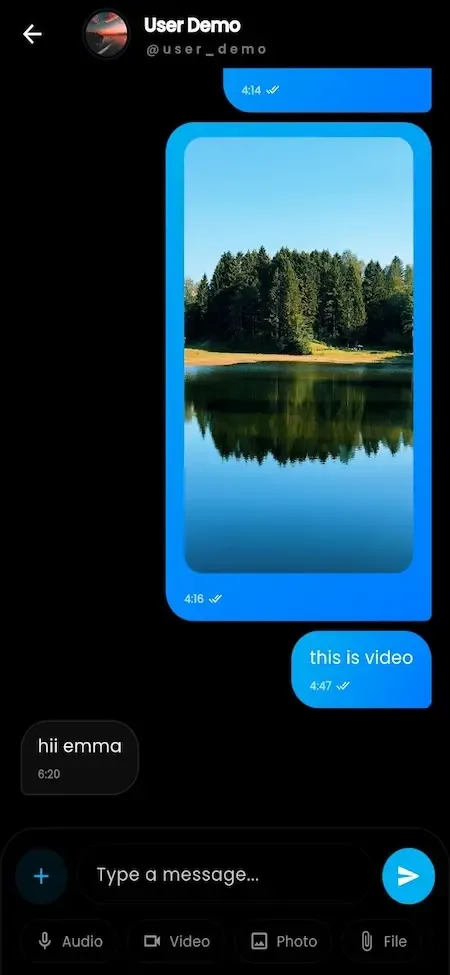
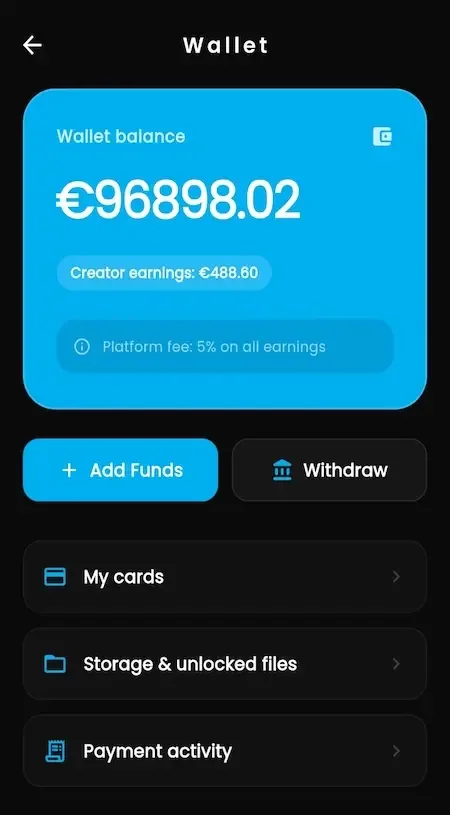
Once a fan follows, the product shifts from finding to converting. A fan moves from free to paid, then spends beyond the plan through the wallet. Each step is a separate decision, and each is priced by the creator.
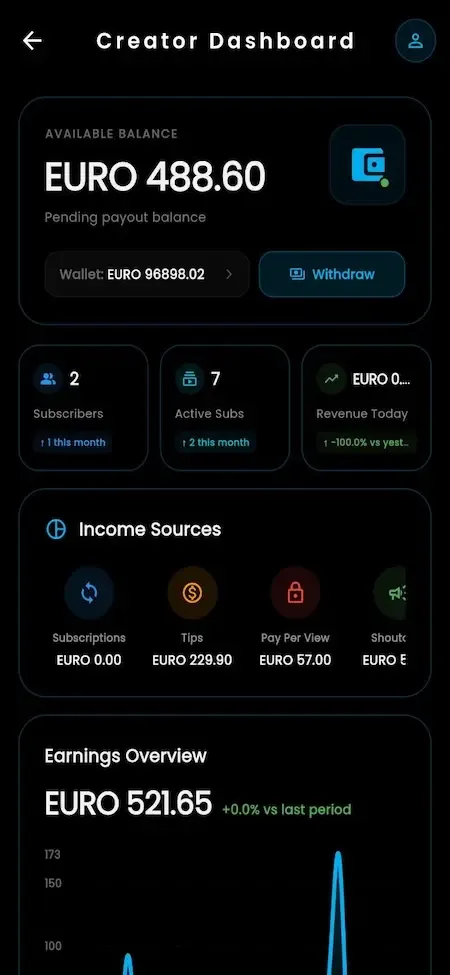
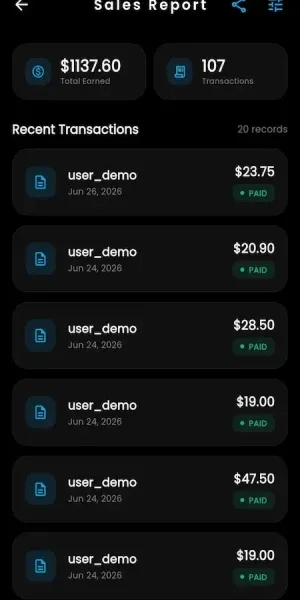
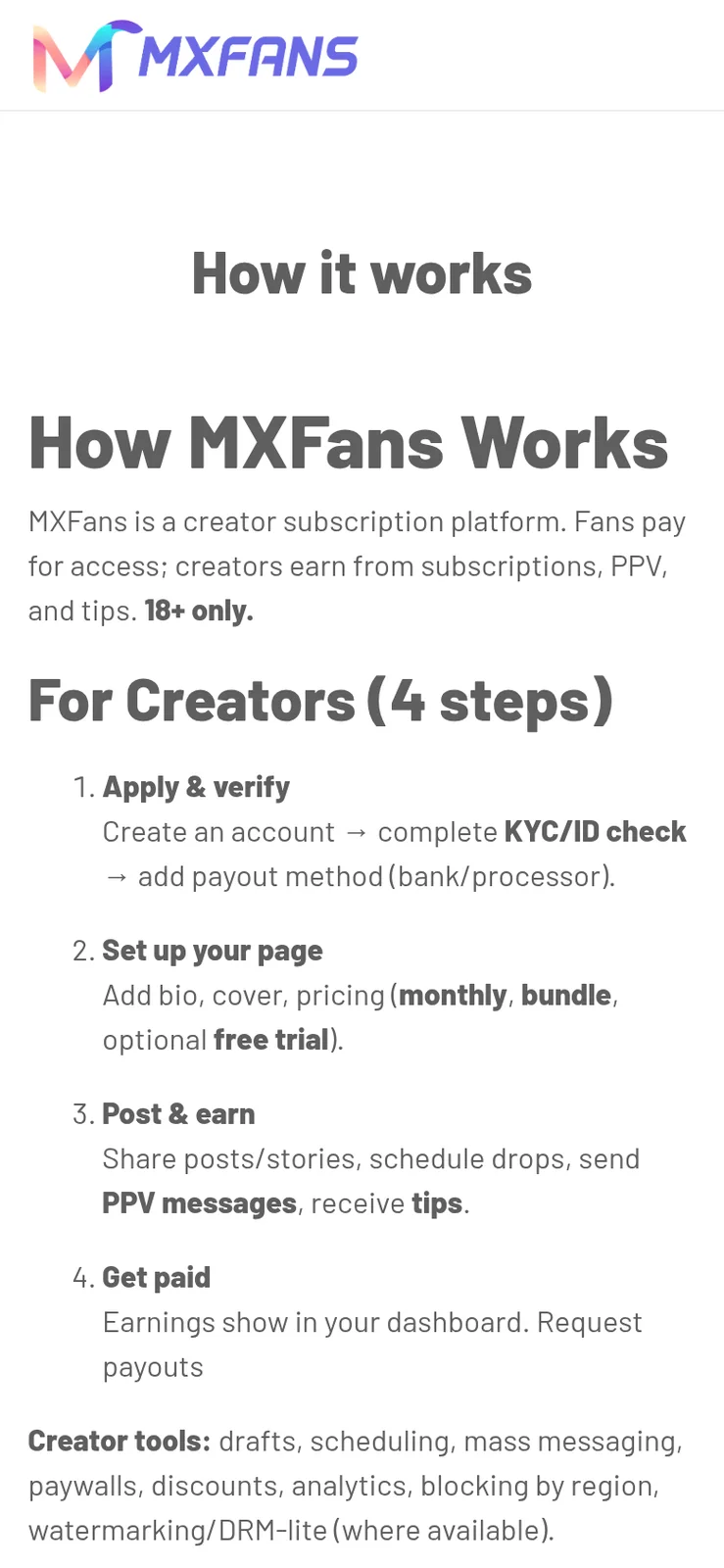
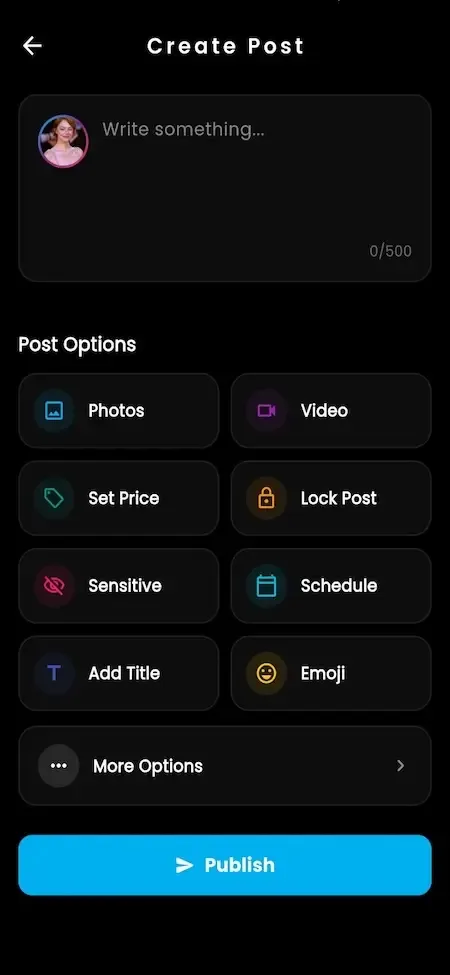
A creator tags work as it goes out, so publishing and being found are one action. The tools around it, from lists and templates to the vault, are there to turn followers into paying members without extra effort.
The operator is an editor as much as an administrator. The panel lets your team decide how the catalogue is organized, what gets featured, who is allowed to earn and how money moves, all without a developer.
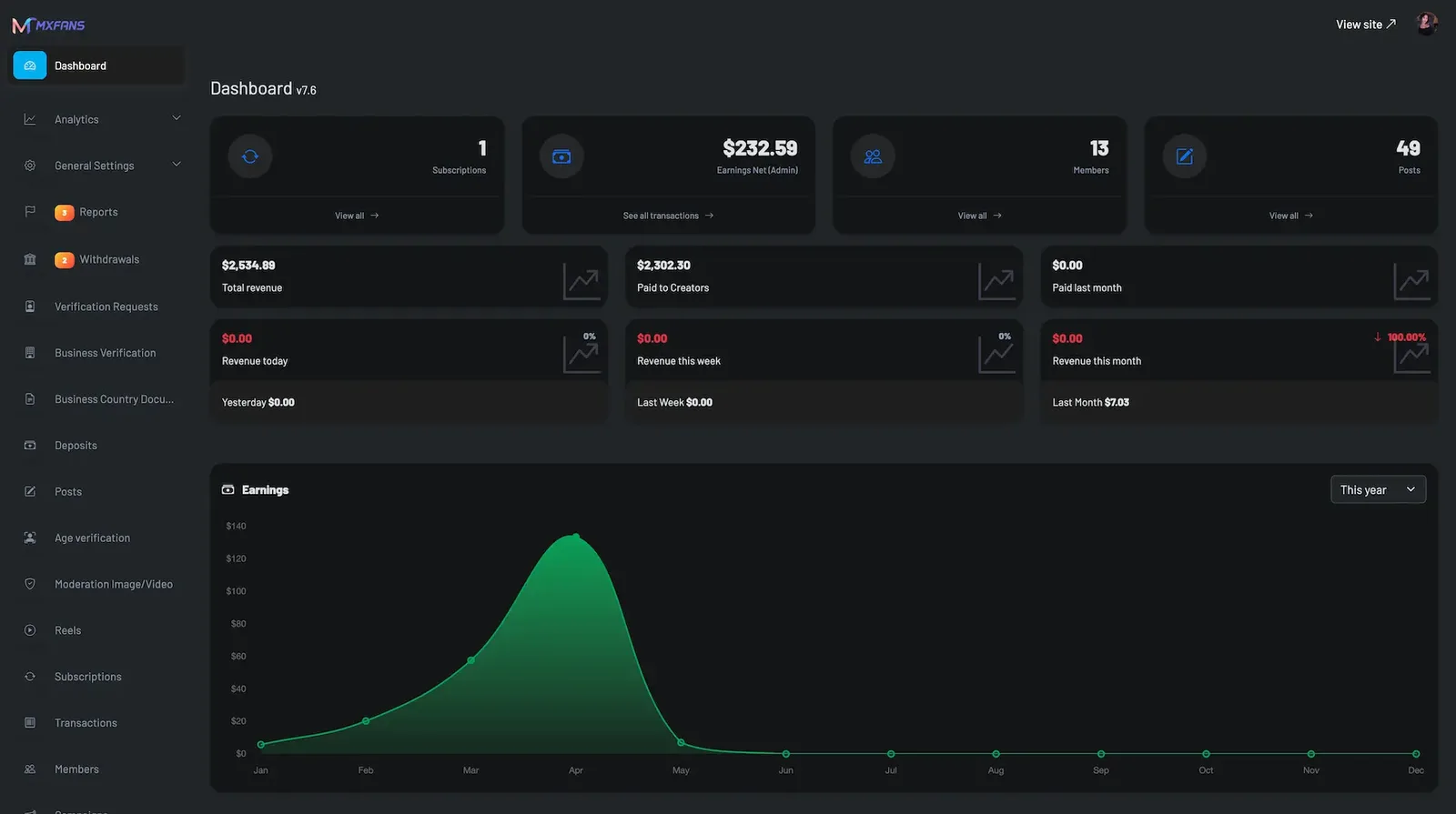
13 screens from the working demo, grouped by where they live. Your platform ships rebranded with your name, logo and colors.
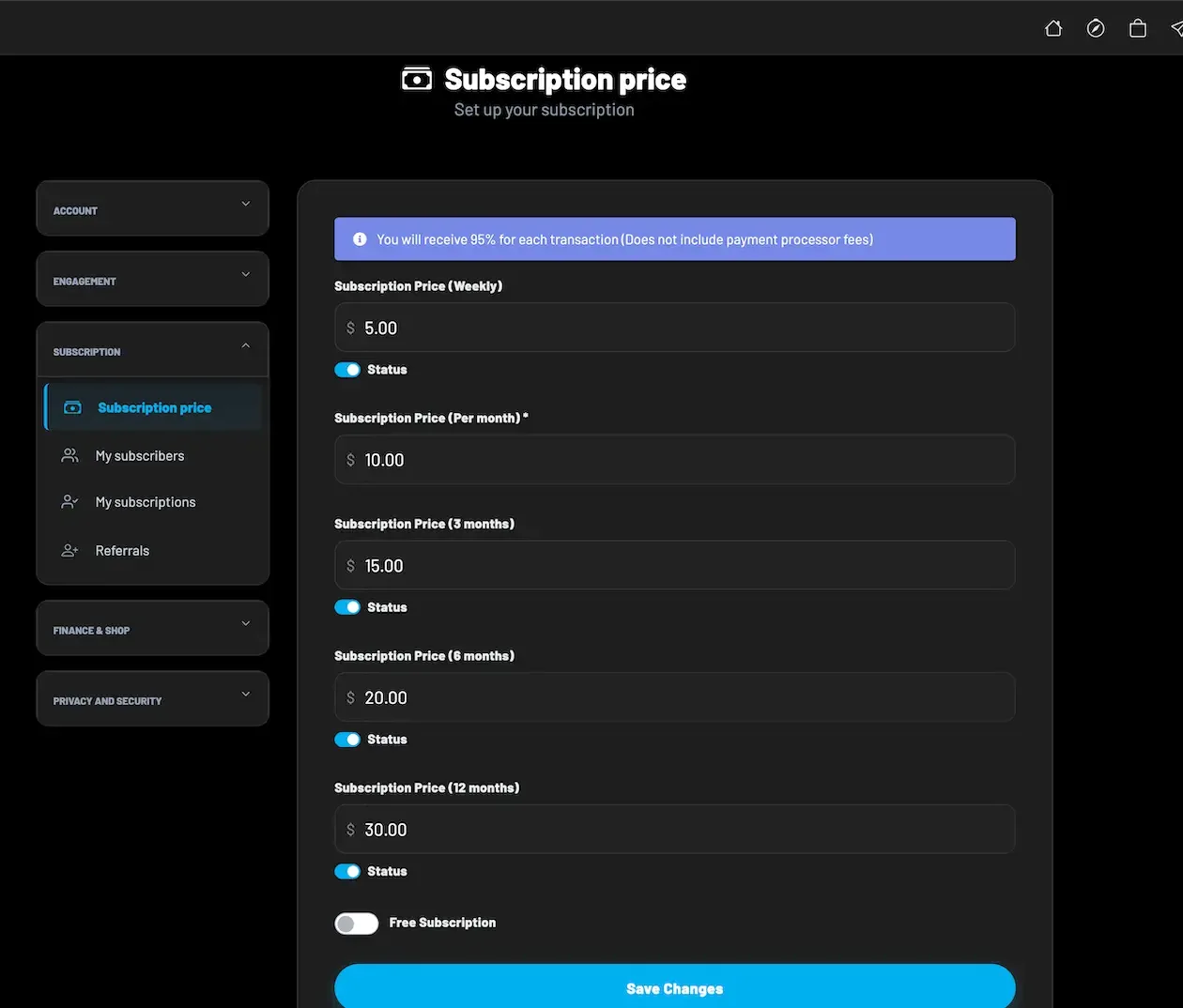
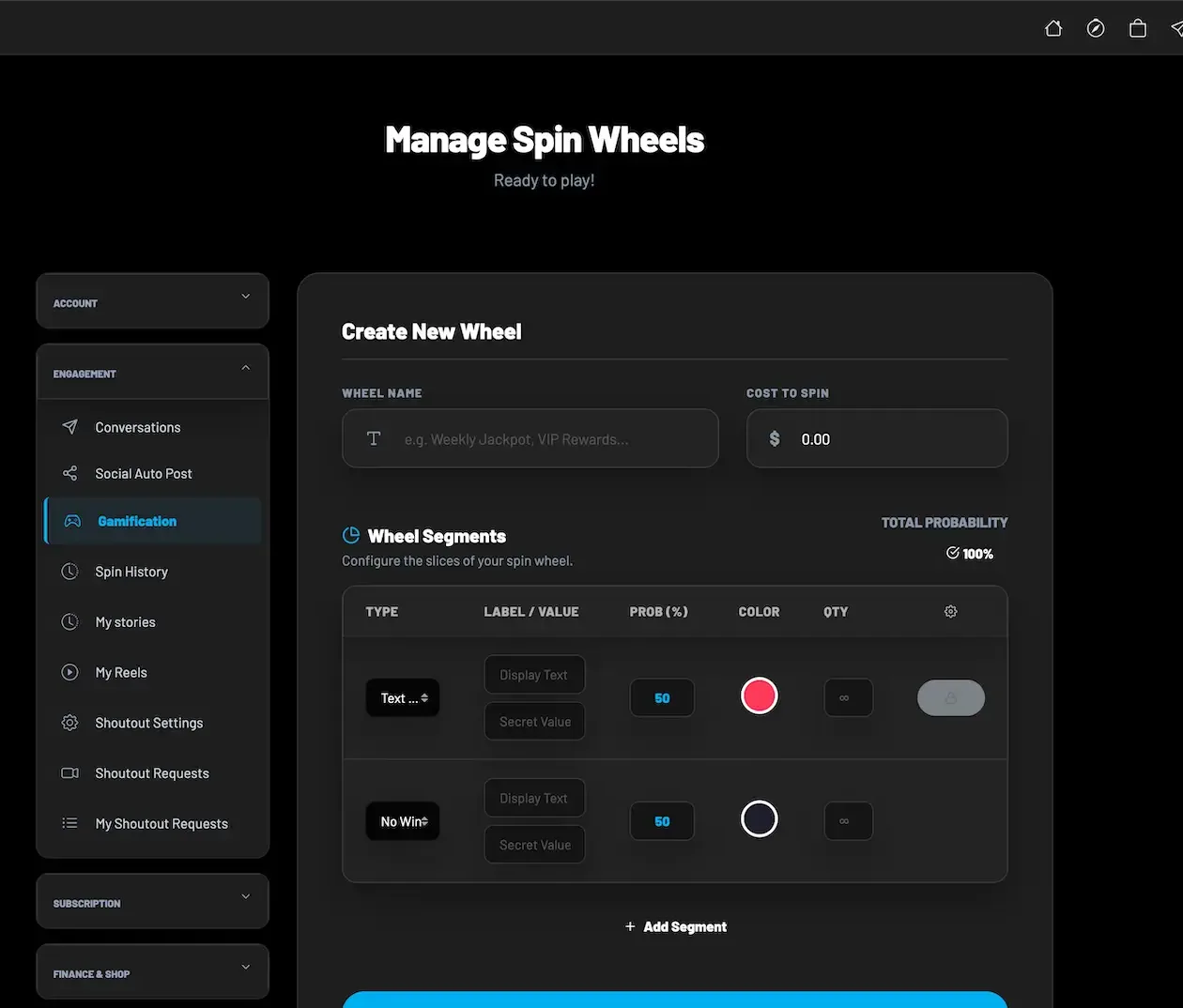
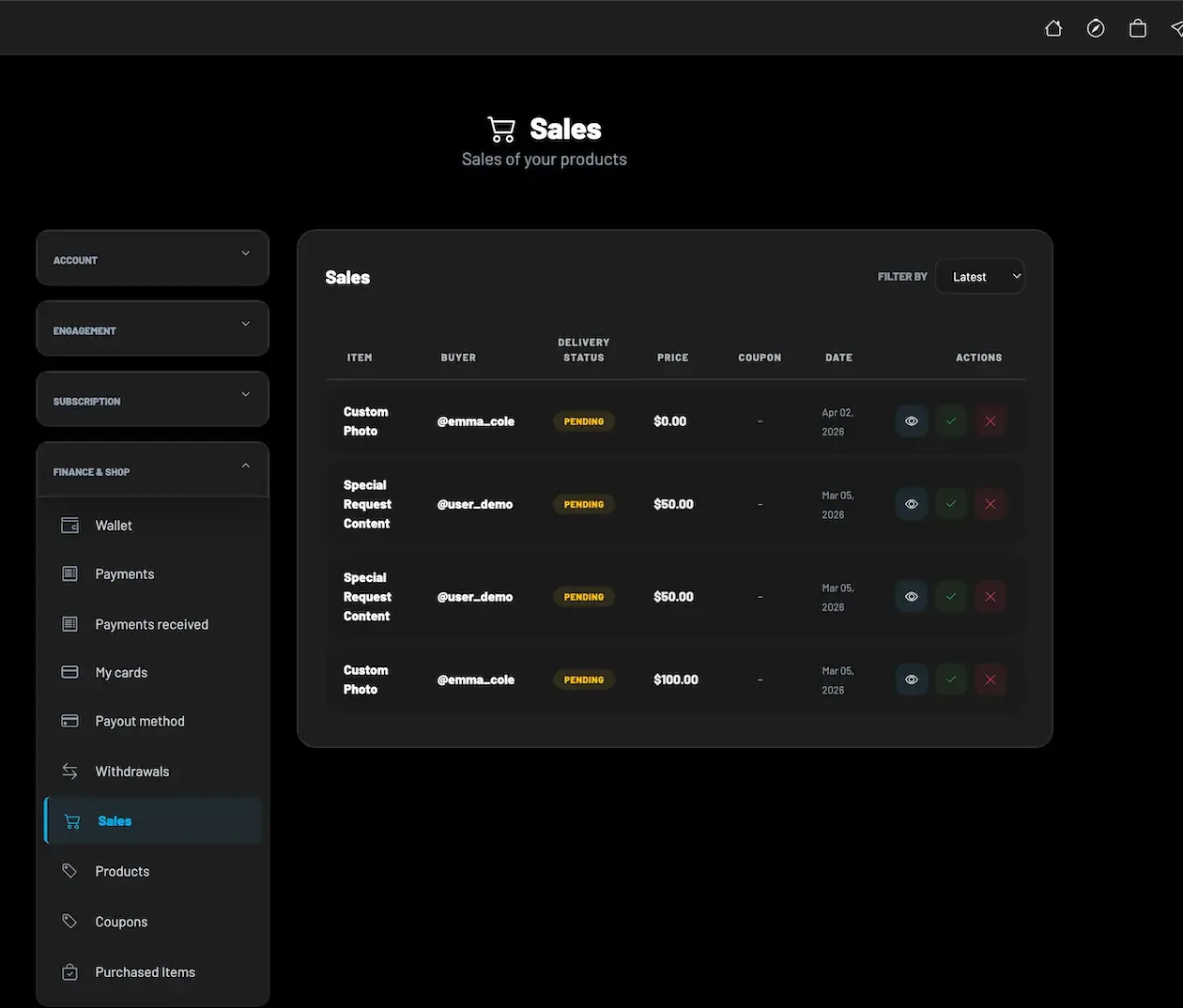
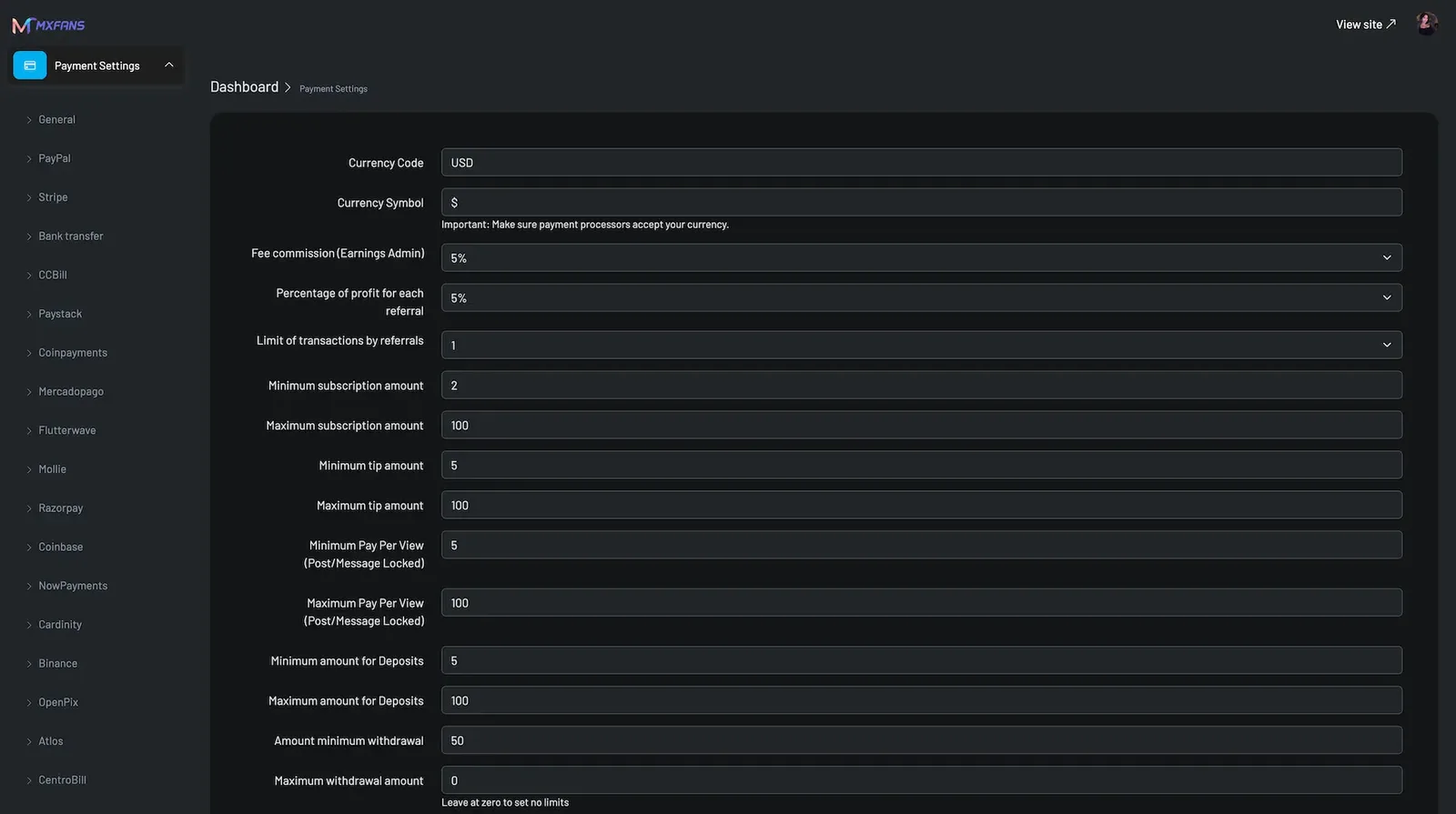
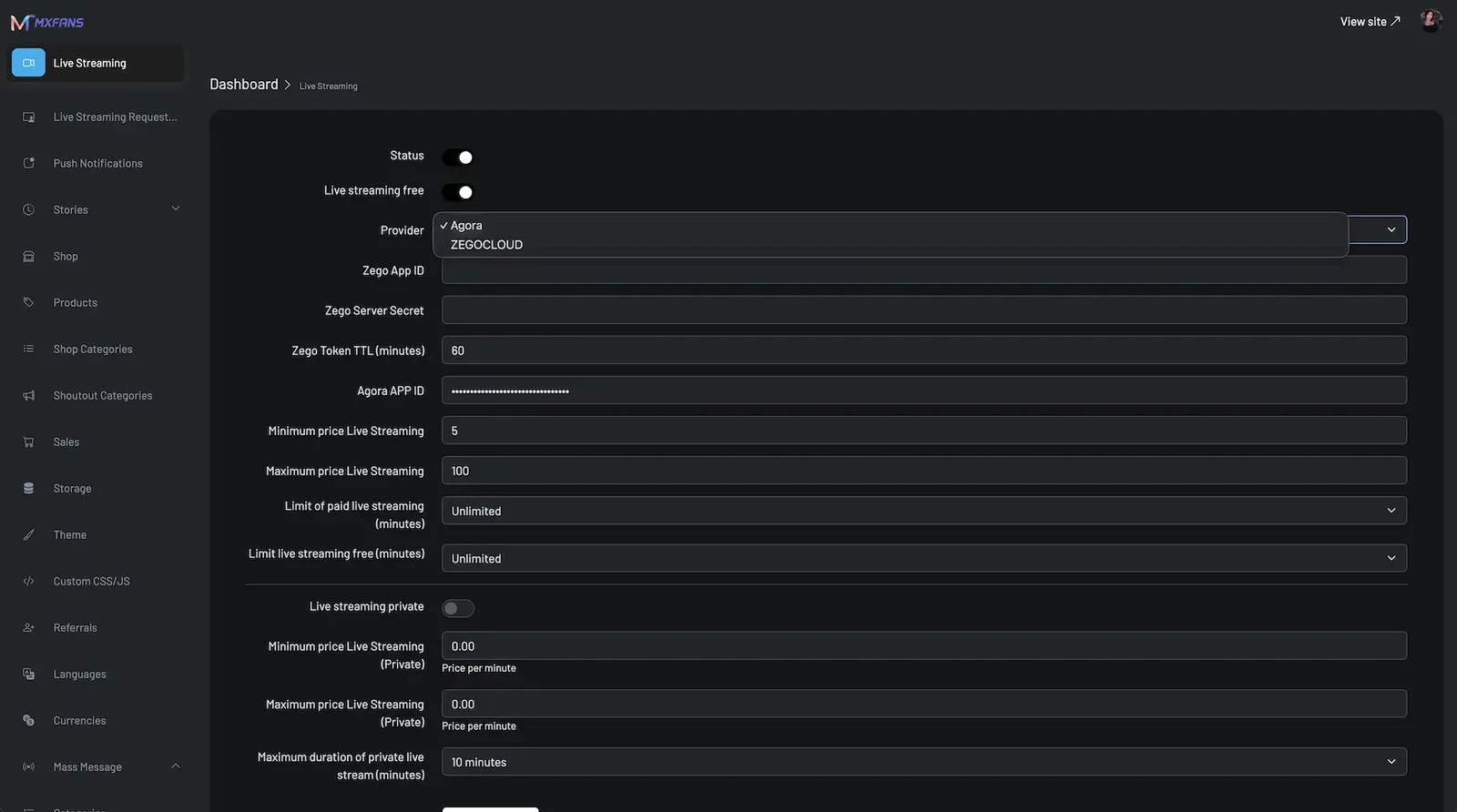
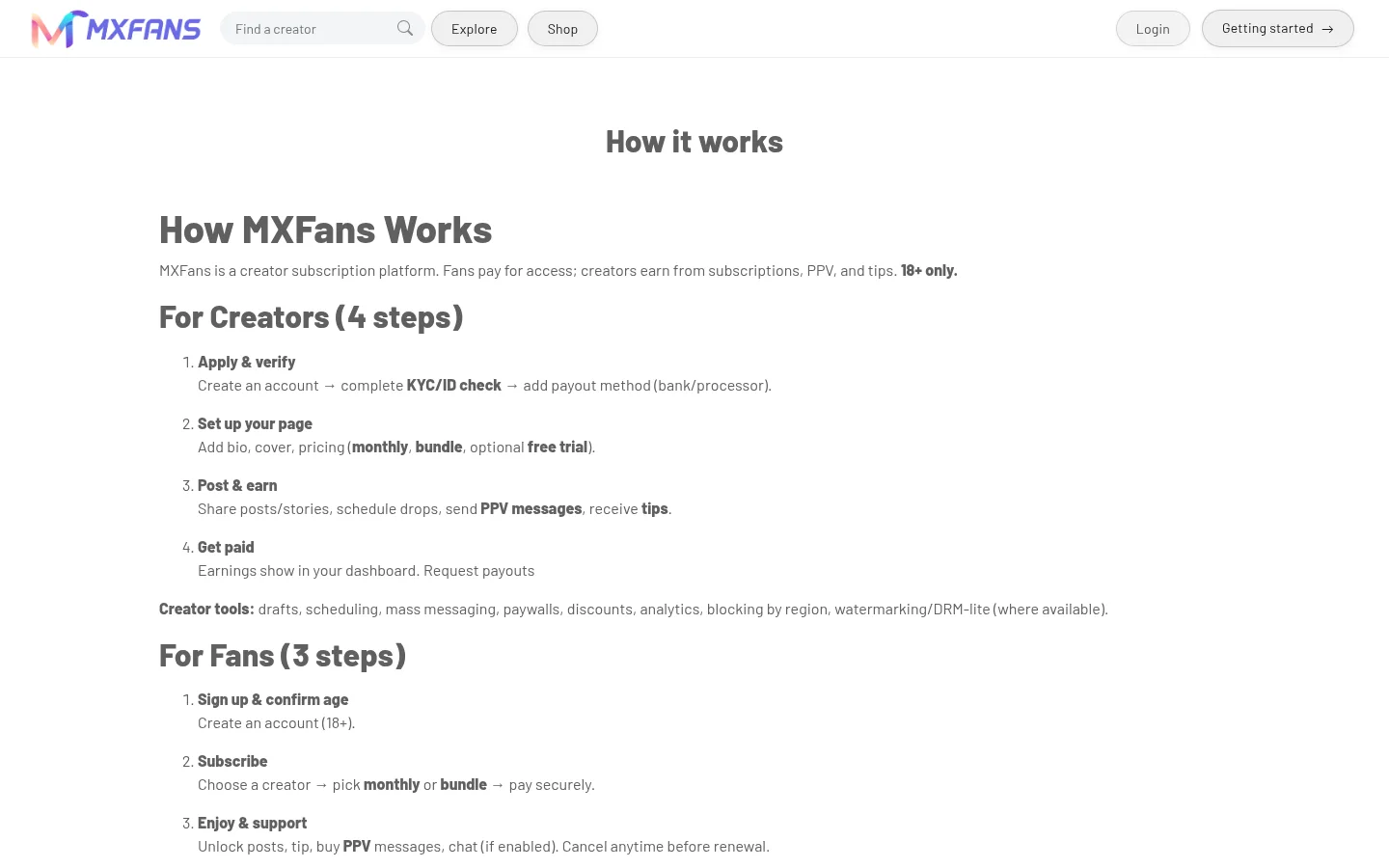
The demo is the shared creator platform as delivered, with vendor demo branding still showing. It is the quickest way to judge how discovery feels: browse as a visitor, follow a creator, then switch to the creator and admin accounts to see where tiers, tags and placement are controlled. Your own branding replaces the demo identity at launch.
user@demo.comUser_321creator@demo.comCreator_321admin@demo.comAdmin_$32148 features across 4 roles. The first six of each role are here and the full list is one click away. Nothing is held back for a sales call.
Creators tag and categorize each post, story and reel as it goes live, so search and explore update automatically.
Operators organize creators and content into categories that fans can browse in a few taps.
Fans look up creators and content by name, tag or category from the app or the web.
A browsing surface of featured creators and premium posts for fans with no one to follow yet.
The web app serves creator profiles that visitors can open without installing anything.
Visitors see enough of a profile to decide, with locked media signposted rather than hidden.
6 more Discovery features are in the full list.
A creator offers a free level that gives followers a reason to stay before they pay.
Paid levels carry different prices and different access, and the creator names and orders them.
Weekly, monthly, three-month, six-month and annual prices can each be switched on per creator.
Access is checked per piece of content, so upgrades and downgrades change what a fan can open at once.
The platform manages renewals, expired access and returns of former subscribers.
A fan who will not subscribe can still pay for one post, set or message.
6 more Tiers and spend features are in the full list.
Compose text, photo and video posts with a price, a lock and publishing options in one screen.
Upload image, video, audio and files for posts, messages and vault storage.
Name, price and organize media once, then reuse it in posts and paid messages.
Build lists, such as free followers or lapsed subscribers, and target each with its own message.
Send one message to a whole list and keep priced media inside it.
Queue outreach for the hour a creator audience is most active.
6 more Creators features are in the full list.
Create, merge and retire categories and set rules for how creators apply tags.
Decide which creators and posts earn the premium slots on explore and the home screen.
Approve creators after identity and business verification before they can publish or earn.
Specify required documents for each supported jurisdiction.
Set the platform cut, referral share, currency and transaction caps in one place.
Enable payment providers and wallet funding, and store provider credentials.
6 more Operators features are in the full list.
The path through the product, in the order it happens for the people using it.
Category and tag results lead to creator profiles and public previews.
A free tier costs nothing and gives a reason to commit before paying.
Subscription entitlements are enforced per piece of content.
Unlocks, tips, messaging, live and storefront orders add to the base.
Discovery reports show which categories and tags earn, and the admin panel handles payouts and moderation.
Every earning route built into the product you receive: how it works, who pays and where the operator earns.
| Revenue model | How it works | Who pays | How you earn |
|---|---|---|---|
| Free-level funnel | Free followers earn nothing directly, but they feed paid levels, unlocks and tips through notifications and offers. | No one, at first | Indirect, through later upgrades and paid extras |
| Paid levels | Each level carries its own price and access, billed on the period the creator offers. | Fan | Commission on each renewal at the rate you set |
| Single unlocks | One-time purchases for a post, set or message let non-subscribers pay for one thing. | Fan | Commission on each unlock, taking in fans who will never subscribe |
| Tips and gifts | Wallet-funded support on any post, profile or live session. | Fan | Commission on tips, which many operators discount |
| Wallet spending | A funded balance is spent across later purchases without re-entering card details. | Fan | Commission at the moment of spend rather than at top-up |
| Live and calls | Paid streams, private sessions and booked audio or video calls. | Fan | Commission on entry and bookings, less live provider cost |
| Paid placement | Boosts and featured slots inside explore and search results. | Creator | Flat placement fees, independent of creator sales |
| Shop and auctions | Product orders and auction sales from creator storefronts. | Fan | Commission on orders and winning bids |
| AI persona access | Fans buy credits to chat with an AI persona. | Fan | Credit revenue minus the provider cost you carry |
The flow of money, the gateways you can connect and how payouts are handled.
A discovery-led platform converts in stages, so money arrives in small amounts at several points: a first paid level, a later unlock, a tip, a wallet top-up. Each payment is recorded with an entitlement, so access follows the purchase and not the profile. Commission is taken when money is spent, creators build a balance and request withdrawals, and you approve them from the panel. Provider availability depends on your market and on the processor approving your category.
| Gateway | What it covers |
|---|---|
| Card | |
| Stripe | Card payments for paid levels, unlocks and wallet funding. |
| Wallet | |
| PayPal | An alternative checkout for fans who avoid entering card numbers. |
| Adult-friendly | |
| CCBill | Named path for categories that mainstream processors often decline. |
| Regional | |
| Paystack | Regional processor for the markets where it operates. |
| Flutterwave | Regional processor with local payment methods. |
| MercadoPago | Regional processor for Latin American fans. |
| Crypto | |
| Crypto gateways | Crypto payment paths that depend on the provider you contract. |
| Other | |
| In-app wallet | Balance funded once and drawn down across purchases. |
You operate the platform, so legal compliance in each market you serve is yours. This is the tooling that ships in the product. It is not legal advice.
A catalogue that anyone can enter is hard to keep safe, so creators pass verification before they publish or earn. The queue shows identity documents and, for creators working through a company, business details by country. Age checks connect to a third-party provider built around Yoti and Didit patterns. You set how strict the gate is, and stricter standards slow growth in return for a cleaner catalogue.
Tags are a moderation surface as well as a navigation one. Misleading tags send the wrong fans to the wrong content, and bad actors use them to reach audiences. Put tag rules in writing, review new tags in the console and retire ones that attract complaints. Which tags are allowed is your policy, and the taxonomy tools give you a place to enforce it.
Reports on posts, comments and messages land in review queues with policy workflows, and takedowns are logged with reviewer and reason. SightEngine is named for automated screening on uploads, with manual review behind it. We tune rules to your policy and escalation paths, and a larger catalogue needs more human reviewers rather than fewer.
Discovery makes content visible to more people, which raises the stakes on who can see it. Age-gated flows and blocking by country, state, city or region let you exclude territories you are not ready to serve. Rules vary by market and are yours to determine with your own advisers. We supply the tooling, not legal advice.
Processors review the catalogue they are asked to support. A platform with visible verification, working queues and a takedown record is easier to explain than one without. Approval stays with the provider and can be revisited, so start that conversation before launch week and keep your verification evidence organized.
Sanctum tokens, HTTPS and TLS, role checks, rate limits, upload limits, OTP attempt controls and two-factor authentication protect accounts and APIs. Account deletion, profile privacy and retention settings support privacy-aware deployments. No security certification is claimed, so consider an independent test of your deployment before opening to the public.
If your catalogue includes adult content, you are responsible for legal compliance in your market. We provide age-verification and moderation tooling, not legal advice.
Gateway options vary by market and provider approval. Advanced KYC and AML integration is available; we set it up for your market.
The layers of the product as delivered. You receive the full source code for every one of them.
| Layer | Built with | Hosting note |
|---|---|---|
| Mobile and web | Unified Android and iOS apps, Blade and Livewire web app, PWA | Blade and Livewire pages that work as a PWA for mobile-first visitors. |
| Backend | Laravel 12, PHP 8.2+, Sanctum APIs | Laravel 12 on PHP 8.2 or newer, serving the apps, web app and admin through Sanctum APIs. |
| Database | MySQL or MariaDB | MySQL or MariaDB holding creators, tags, categories, subscriptions, posts and transactions. |
| Queues and cache | Redis with queue workers for background and media jobs | Redis with queue workers for background and media jobs and for notification fan-out. |
| Live and calls | Provider integrations such as Agora or Zego | Agora or Zego style integrations for streams that surface in discovery. |
| Media delivery | S3-compatible object storage with CDN-ready delivery | S3-compatible object storage for photos, video, audio and vault files.CDN-ready delivery so previews and profile pages load quickly for visitors. |
| Cloud | AWS, GCP or DigitalOcean, with backup, monitoring and staging to production workflow. | |
A catalogue that is searched and browsed puts steadier read load on the platform than a closed membership does. Public profile pages, previews and an explore feed all need fast media and responsive queries. The platform runs on your own cloud and is set up with you in launch week.
Operators often ask which of the two famous models to copy. They overlap heavily, and a platform you own can mix both. This table describes the usual differences in model, not a verdict on either service, so you can decide which levers matter for your market.
| Dimension | Subscription-first model | Tiers and discovery model |
|---|---|---|
| Entry point | A fan arrives with a link and pays one subscription price. | A fan browses or follows free, then chooses among several levels. |
| Monetization shape | One main subscription, with unlocks, messages and tips layered on. | A ladder of levels, with unlocks, wallet spend and placement beside it. |
| Discovery | Largely depends on creators promoting themselves elsewhere. | Tags, categories, search and explore are part of the product itself. |
| Free access | Possible, but usually a promotional device. | Central: a free follow is how a relationship starts. |
| Operator workload | Light on curation; heavy on payments and moderation. | Adds taxonomy, tag policy and featured placement to the same workload. |
| Creator growth | Creators bring their own audiences. | The platform can send new fans to creators, if curated well. |
| Lesson to copy | Keep the paid path short and clear. | Give strangers a reason to follow before they pay. |
Some pages describe these platforms as censor-free. That phrase is a marketing claim, not a feature. Software does not decide what is lawful or acceptable; the operator does. A Fansly clone ships the controls for either approach: verification at onboarding, media screening, report queues, takedowns and territory rules. Whether you use them strictly, lightly or with a narrow category policy is your decision, within the law of each market you serve.
In practice, your content policy is shaped by outside parties as much as by preference. Payment providers underwrite you according to the content you carry, app stores apply their own rules to the apps you publish, and hosting providers have terms of their own. A policy that ignores those constraints may be easy to write and impossible to operate. Decide first what you will allow, then match the gateways, hosting and store plans to it.
Queries for this type of platform often use feature names borrowed from social apps. This list translates the common ones into what the product actually provides, so you can check a feature you care about by its name rather than guessing.
One fixed price for the ready-made platform, published here so you can plan before you talk to us.
Ready-made, one-time
$3,699
Live in 6 working days from kickoff
The engineers who deploy your platform stay with it once it is live.
Need more? We tailor the platform to your plan, typically in 2-8 weeks, and confirm the scope with you before work starts. App store review times are set by Apple and Google.
Everything here is available around the ready-made Fansly clone. We confirm the scope with you before any price is agreed.
Add cohort views, fan lifetime value, churn tracking and subscription retention to see which entry points produce paying members.
Confirm with usIntroduce escalation rules, transparency reports and policy-specific queues for a large tagged catalogue.
Confirm with usReshape onboarding, discovery screens, navigation and notifications around your brand.
Confirm with usRoute payments by region, add payout rules, tax logic, wallet limits and fraud review rules.
Confirm with usAdd paid live shopping, timed offers and product drops that appear in discovery.
Confirm with usConnect a specialist verification provider for deeper checks than the standard flows.
Confirm with usRecommendation logic, a dedicated search engine and trending rules are tailored work we set up for your catalogue.
Confirm with usConnect CRM, single sign-on, analytics, marketing automation or internal tools.
Confirm with usTiered discovery platforms are easy to describe and hard to scope, because the interesting parts are the ones that grow with your catalog. Most of the platform ships ready on day one, and the rest is set up around your plan as the catalog grows.
Fans follow without paying, giving creators an audience to convert later.
Creators run more than one paid level with period pricing and content-level access.
Creators label posts at upload, feeding browse pages and search.
Operator-defined categories fans can browse instead of searching by name.
Relational search plus an explore feed driven by tags and recency.
Web profile pages that search engines can reach, with free and premium previews.
Operator-chosen creators highlighted in explore, with optional sales of placement.
Single posts or messages sold once, on top of any tier.
Stored balance and supporter spending beyond the subscription.
Chat, fan lists, templates and scheduled messages for conversion and retention.
Short-form formats and pinning to keep a profile fresh and sellable.
Public and private live sessions and priced calls, using your streaming provider.
Products, coupons and live auction bidding from the creator profile.
Follower drives, request-based shoutouts and prize wheels.
Which tags and categories convert, plus revenue and engagement per creator.
Onboarding checks, report queues and territory rules before content reaches explore.
Platform cut configured per creator and per source of income.
A separate search and recommendation layer once the catalog outgrows standard queries; we set it up for you.
Funnels from browse to free follow to paid tier, by category and cohort, set up for your build.
Escalation rules and policy-specific queues for a growing review team, set up for your build.
Feeds that learn from each fan's behavior are built around your data and goals, with scope confirmed with us.
Time-weighted or geography-weighted ranking designed around your own catalog, with scope confirmed with us.
Four pages go deeper on the questions buyers ask most about the Fansly Clone. This page stays the overview.
Most creator scripts are billing tools with a profile page attached.
See the full breakdownA discovery-led creator platform has an unusual cost profile.
See exact pricingA marketplace that only processes payments is capped by the audiences its creators already had.
See the playbookAny developer can ship profiles and a subscribe button.
Compare optionsFrom kickoff to a live Fansly clone under your brand: what we do each day, and what we need from you.
1Day 1
2Day 2
3Day 3
4Day 4
5Day 5
6Day 6
Discovery is where hidden cost lives. Tag taxonomies, search, ranking, featured slots and a feed that stays fresh are each manageable alone and awkward together. Building them from scratch means paying for that effort before a single creator is live. A hosted platform gives you discovery that is tuned to its own catalogue and policy, not yours. A ready-made platform with source code gives you the working parts and lets your budget go into curation and ranking choices that are specific to your niche.
| Factor | Build from scratch | Rent a SaaS | Own it with GetFame |
|---|---|---|---|
| Discovery engineering | Taxonomy, search and feed built and tuned by you | Pre-built, tuned to their catalogue | Included, with room to extend the logic |
| Time to first subscriber | Slow, discovery usually arrives last | Quick, on their terms | 6 working days to a live platform |
| Control of featured slots | Full | Largely theirs | Full, from the admin console |
| Search visibility | Yours to engineer | Shared with their domain | Public profile pages on your domain |
| Factor | Build from scratch | Rent a SaaS | Own it with GetFame |
|---|---|---|---|
| Platform fees | None | Recurring, often with a cut | None from us, no revenue share |
| Roadmap control | Yours | Vendor decides | Yours, with full source |
| Custom ranking work | Part of the build | Not available | We tailor it, usually 2 to 8 weeks |
Running costs. Running costs sit outside the purchase: hosting and CDN bandwidth for previews and profile pages, object storage, live and call provider usage, gateway and chargeback fees, verification provider fees, SMS and OTP delivery, moderator hours, developer accounts for the app stores, and the time your team spends on curation. A catalogue that is browsed heavily raises media bandwidth faster than one that is closed.
Tiering and discovery interact in ways a first design often misses: a tier change must instantly alter what a fan can open, and a new tag must instantly alter what explore can show. The comparison below shows what each piece involves if you build it, and what you already hold when you start from a working product.
Build it yourselfMultiple levels per creator, free and paid, with upgrades, downgrades and lapses that never leave access out of sync.
Ready-madeFree and paid levels with period pricing, renewal handling and a subscription state view for the operator.
Build it yourselfRules deciding which post opens at which level, checked in the feed, search and messages alike.
Ready-madeContent-level access tied to tiers, with single unlocks layered on top.
Build it yourselfA tag system, a category tree and moderation of both, designed before the catalog fills with inconsistent labels.
Ready-madeTag-on-publish and an operator-controlled category tree with taxonomy management.
Build it yourselfIndexing, ranking and a feed that stays fresh. Straightforward at small scale, specialist work at large scale.
Ready-madeSearch and explore feed included, with a dedicated search engine we set up later.
Build it yourselfServer-rendered pages with previews and metadata so search engines can discover creators.
Ready-madeIndexable public profiles with free and premium previews built into the web app.
Build it yourselfSlots, scheduling and a record of why a creator was promoted, kept auditable for fairness.
Ready-madeOperator-controlled featured placement with optional paid placement for creators.
Build it yourselfA ledger covering tips, gifts, unlocks and auctions without double counting.
Ready-madeWallet with tips, gifts and unlocks, tracked next to commission.
Build it yourselfReview before content reaches explore, plus reports and territory rules. Needs design with policy in mind.
Ready-madeQueues, reports, takedowns and territory blocking applied before and after publication.
Build it yourselfNative apps and a responsive site reading one catalog, each needing store and browser testing.
Ready-madeUnified app for Android and iOS plus a web app, all rebranded with your identity.
Build it yourselfEvent tracking and reports that connect browsing to conversion, built after the data already matters.
Ready-madeReporting on which categories and tags convert, with per-creator revenue and engagement.
Fansly is widely associated with tiered subscriptions, a free follow level and a feed fans can browse and search. This platform follows that shape. The named brand has no connection with this product, and what follows compares model traits, not business figures.
| Aspect | The Fansly model | This platform |
|---|---|---|
| Where fans find creators | Through a shared marketplace feed | Through your own taxonomy, explore feed and public pages |
| Who curates | The brand decides what is surfaced | Your team picks featured creators and tag rules |
| Tier structure | Free and paid levels as the brand defines them | Free and paid levels you configure per creator |
| Pricing periods | Set within the brand options | Weekly through annual, enabled per creator |
| Commission | Set by the brand | Set by you for each creator and revenue type |
| Policy | One rule set for the whole marketplace | Your own categories, territories and standards |
| Source and data | Held by the brand | Full source, data on your servers |
The founders and teams this product fits most directly, one line each. The launch ideas that follow turn these audiences into a first-week plan.
A platform whose creators do not arrive with a following of their own, and need to be found.
Design a taxonomy around one genre or community and let tags drive browsing.
Manager access and scoped permissions for teams who run several creators.
Local gateways, languages and territory rules for one market.
Free tiers as the audience layer and paid tiers as the membership.
Discovery-led platforms suit audiences who browse by interest rather than by creator name. These ideas match that behavior. For each, the first thing to configure is the taxonomy, because the categories you create shape what fans expect to find.
A marketplace for one craft or interest, such as woodworking, miniature painting or home recording, where fans browse by technique. Creators offer a free follow with tips, a paid tier for full tutorials and an upper tier for feedback. Build the category tree first and restrict tags so labels stay consistent.
Tutors publish lessons by level and topic, and learners follow for free to sample material. Paid tiers unlock structured courses, and the top tier adds live practice and calls. Configure tiers around progression, use tags for subjects, and keep previews generous so a newcomer sees quality before paying.
Coaches tagged by discipline, level and equipment let fans find a good match without knowing anyone. A free tier shares a weekly routine, a paid tier opens full programs, and unlocks sell one-off plans. Feature a few coaches and show conversion by category to decide where to recruit next.
A single-country or single-language hub where tags and categories reflect local interests that global services ignore. Free follows build local audiences, and paid levels unlock exclusive work. Set territory rules, local gateways and the content policy early, then recruit a handful of well-known creators to anchor browsing.
Independent artists, podcasters and producers tagged by genre, mood and format. Fans follow free for previews, subscribe for full releases and buy single unlocks for rare tracks. Use live sessions for listening parties and let the explore feed carry new releases, so listeners find artists they would never have searched for.
An agency populates a catalog with its roster to give browsing something to show on opening day, then lets independent creators join. Set manager permissions, a consistent taxonomy and clear featured placement rules, and keep records of why a creator was promoted so creators trust the ranking.
Fansly is one of several established creator platforms, and a clone is only one route to a tiered, discoverable business. Here is how the main options differ in the things that matter to an operator: who owns the audience, who writes the rules, and how much work remains after the decision.
Existing marketplace
Creators who want tiers, free follows and in-platform discovery without building anything.
The company sets rules, fees and ranking; your audience lives on its service.
Existing marketplace
Creators who already bring their own following and want a simple subscription model.
Discovery inside the service is lighter, so promotion often happens elsewhere.
Membership platform
Creators building supporter tiers around a body of work or a community.
Oriented to supporter relationships rather than a browsable catalog of paid media.
Owned code
Operators who want to control taxonomy, tiers and commission on their own servers.
You carry hosting, payments, moderation and recruitment, with support limited to what you buy.
Rented platform
Founders who want a quick launch and prefer the vendor to run the servers.
Recurring fees and shared limits; ranking and data stay partly in someone else's hands.
A white-label platform you own lets you decide what the explore feed shows, which tags exist and which creators are featured, instead of accepting a marketplace's ranking. It costs a one-time price and your own hosting and staff. The trade is clear: you gain control of discovery and data, and you take on recruiting creators, moderating what surfaces and running the infrastructure.
Longer answers to the questions buyers of this model ask before they commit.
A marketplace in which nobody can find anyone only ever earns from audiences that creators bring with them. That caps your size at the sum of your creators existing followings. Discovery is how a platform adds something new: a fan who arrives with no loyalty to any creator and leaves following three.
That means search, tags and an explore feed are growth infrastructure and not decoration. Test them as a stranger would. Open the public web page, search for a niche term, scroll the feed and count the taps it takes to follow someone. Every extra step loses visitors who never come back.
Keep the catalogue narrow while it is young. A thin catalogue spread across fifteen categories looks empty everywhere. Five well-filled categories look alive, and they give fans a reason to explore.
The free level has one job: turn browsers into followers who can be reached again. Give it enough to show quality, such as previews, occasional free posts and open stories, and keep the content that justifies payment behind the paid levels. A free level with no hook is a dead end, and one that gives everything away has nothing to sell.
Paid levels should differ by what the fan receives, not just by price. Common ladders separate regular posts from messaging access, or ordinary content from exclusive sets. Let creators name their own levels, because a name that fits the creator persuades better than a generic label.
Use pay-per-view and tips for fans who will not subscribe. Single unlocks take in the long tail, and the wallet keeps repeat payments easy. Review the funnel monthly: how many followers upgrade, how many unlock without upgrading, and where subscribers lapse.
Treat the taxonomy as a living editorial product. Start with a short list of categories you can fill, and add more only when real demand appears. Merge near-duplicate tags quickly, since ten spellings of one idea fragment search results and make the explore feed look random.
Write down tag rules before creators arrive. State what a tag may describe, how many a post may carry and what happens when tags mislead. Review new tags in the console each week, because a tag that attracts complaints is also a moderation signal.
Let reporting guide curation. The discovery dashboards show which categories and tags convert into paying members. Feature the creators who convert well, and talk to creators in categories that browse heavily but never pay, since the problem may be pricing, previews or missing content.
Browse the demo as a visitor first, without logging in. Find a creator through search, read the preview, follow on a free level and see what converts you to paid. Then open the admin login and confirm that you can edit categories, change featured placement and read conversion by tag.
Ask whether public profile pages are indexable and what the web app serves without an account. Ask what is planned: recommendations, trending logic and dedicated search engines are tailored work we set up, so decide whether launch needs them or whether manual curation will carry the first months.
Confirm the usual essentials too. You should get complete source with no revenue share, a stack your own developers can hire for, and a clear list of what is excluded, including gateway approval, hosting, moderators and store acceptance.
Projects and comments as published by our parent company, Miracuves, with the release notes as printed there.
We wanted a creator monetization platform without spending a year building subscriptions, PPV, wallet payments, and messaging from scratch.
A custom creator platform delivered in May 2025 for a client named Swazey. The scope added a creator vault, paid mass messaging, regional blocking by city and state, a rewards program, staff access for creators, release forms with age verification, and deployment on AWS.
A premium creator platform delivered in December 2025 for a client named Jason. The project adapted the white-label foundation with a custom design direction and several feature refinements, and was prepared for further modules and custom development later.
v2026.2Jun 2026
v2026.1Jan 2026
v2025.2Jul 2025
v2025.1Jan 2025
v2024.2Jul 2024
The ready-made package is $3,699, one time, and goes live in 6 days with your own branding. Custom discovery logic, such as personalized recommendations or a dedicated search engine, can be added, and tailored work usually takes 2 to 8 weeks depending on what you need.
A creator can offer a free level alongside paid ones. Free followers see public and previewed content, which fills the explore feed and gives browsers a reason to commit. Conversion to a paid tier happens inside the same app, and entitlements are enforced per post.
Yes. Multiple tiers per creator are supported, each with its own price. A single post decides which tiers can see it, so a creator can run three tiers against one library without duplicating content. Ask for a walkthrough call if you want to see the exact behavior before deciding.
Content is tagged and categorized on publish, and search starts on the relational database, which is sufficient for a young catalogue. If the catalogue grows, a dedicated engine can be added behind the same interface rather than rebuilding the product.
Yes, complete source code. The stack is Laravel, PHP, MySQL and Redis, so any team in any market can maintain it, and the platform keeps running if you stop working with us. Nothing in the product depends on a call back to us, which keeps long-term control with your team.
You set one percentage or a per-revenue-type structure from the admin panel, and every line resolves against the same wallet and ledger. Changing a rate does not mean reconciling separate reports. We take no revenue share. Changes apply from one place and are reflected in creator earnings and payout records.
The operator. The platform includes age gating, verification, moderation queues, takedowns and geo-blocking, but laws differ by country and we do not give legal advice. Budget for moderation staff as your catalogue grows. Treat your content policy and your payment processor requirements as launch inputs, because both shape what you can serve.
No. Only your branding appears. The apps, web app and admin panel carry your name, logo, colors and domain, and our branding is not shown to your users. Landing pages, banners and localized presentation can be tuned to your market as well.
Sixty days of technical support, one year of free updates, documentation, credentials handover and help publishing to the Play Store and App Store. Our first response is under 2 hours, Monday to Saturday, 10:00 to 19:00 IST. Updates and guidance continue through the first year, and longer maintenance can be arranged.
The web app serves public creator profile pages that visitors and search engines can reach without an account. Ranking depends on your domain, content and how you handle titles and descriptions, which are partly yours to manage through CMS pages and settings.
The platform includes categories, tags, search, an explore feed, featured placement and discovery reporting. Personalized recommendations, a dedicated search engine, trending algorithms and geo-weighted discovery are tailored features that we set up for you, with scope confirmed with us.
Taxonomy control in the admin panel lets you manage categories and the rules for tags. You can review new tags, merge near-duplicates and retire ones that attract reports, which keeps search results tidy and the feed predictable.
Your team chooses them from the admin console, and paid placement can be sold to creators through boosts. There is no fixed ranking formula to inherit, so decide whether featured slots reward quality, conversion, newness or a mix.
A free level gives followers a reason to remain reachable, which usually feeds paid levels, unlocks and tips. Whether it helps your numbers depends on what you hold back for payers. Track upgrade rates by creator and adjust previews and free posts accordingly.
Yes. Live, calls, shop, auctions, AI personas and other modules can be enabled, disabled or extended. A leaner launch with tiers, unlocks, messaging and wallet is a reasonable starting point for a discovery-led marketplace.
Named paths include Stripe, PayPal, CCBill, Paystack, Flutterwave, MercadoPago, crypto gateways and the in-app wallet. Regional processors help fans in specific markets. Approval depends on each provider, your territory and your content category.
The source gives no fixed capacity figure, so we do not quote one. Scale comes from your infrastructure: queue workers, object storage with a CDN and database sizing, which can be expanded as the catalogue and traffic grow.
The architecture supports multi-region and multi-brand growth, with region-wise content rules and provider settings. Each branded deployment still needs its own configuration, domain and hosting, and unusual setups are built for you, with scope confirmed with us.
Both are creator subscription services. The usual contrast is that Fansly leans on several subscription tiers, free follows and in-platform discovery through tags, while OnlyFans is more commonly described as a single-price subscription where creators bring their own audience. A platform you own can combine both, so the better question is which levers your market needs.
No software is censor-free by nature. The platform gives you verification, screening, report queues, takedowns and territory rules, and you decide how strictly to apply them within the law of each market. Payment providers, app stores and hosts also apply their own rules to your business, so your real content policy has to fit those limits as well.
Yes. You receive an Android app, an iOS app and a web app with indexable public profiles, all reading the same catalog and the same admin console. The mobile builds carry your branding and come with help preparing store submissions. Acceptance by Apple or Google is their decision, and we cannot guarantee it.
Yes. Public live sessions, private live requests and priced calls are part of the product, delivered through a streaming provider such as Agora or Zego that you pay directly. Live sessions can appear in discovery, so fans browsing by category can find creators who are broadcasting right now.
Yes. Tier structure, category tree, tag rules, featured placement and commission are all configuration in the admin console, and the source code is yours if you want deeper changes. Plan the taxonomy carefully before launch, though, because renaming heavily used tags after creators have published is harder than naming them well at the start.
Start narrow. A small catalog in one clear niche feels full, while a small catalog across everything feels empty. Feature a few strong creators, keep free previews generous, give new creators a reason to tag carefully, and use the reports to see which categories convert before you widen the net.
Yes. Tiers, free follows, tags and search work for any paid creator category, including education, music, fitness and crafts. Choose a content policy that excludes what you do not want, use the verification and moderation tools to enforce it, and pick payment providers whose terms match your category.
You will notice it when explore and search slow down while the rest of the platform stays fast, which happens as the catalog grows. The included search works well for a young catalog. A dedicated search and recommendation layer is available, and it is usually the first extra operators ask for.
You do, from the admin console. Featured placement can be chosen by hand, and you may offer it to creators as a paid option. Keep a written rule for how placement is decided, because creators who feel the ranking is arbitrary tend to leave, and a documented rule is easier to defend than a quiet exception.
Public profile pages show free and premium previews that search engines can index, so a visitor can browse before signing up. Paid content stays locked behind the tier or unlock that applies. You choose how generous previews are, balancing discoverability against the incentive to subscribe.
→Start here
Share the platform and your market. You get a walkthrough of the live demo, the exact scope of what ships, and a fixed price in writing. First response in under 2 hours, Monday to Saturday, 10:00 to 19:00 IST.
This page uses the name Fansly to describe a type of platform. The product sold here is separate software, built independently, and Fansly has no part in it.
"Fansly clone" is industry shorthand that founders use when searching for software with a comparable business model. It names a category of product, not a copy of Fansly.
The platform is an original product designed and written by Miracuves. It contains no code, design, graphics or content originating from the Fansly website or applications, and it ships under your own brand.
Fansly and its logos are trademarks of their respective owner and are named here for reference only. GetFame is not affiliated with, sponsored by or endorsed by Fansly. Rights holders can write to legal@miracuves.com.
Operator responsibility. The operator of a launched platform is responsible for legal compliance in the markets it serves. Nothing on this page is legal advice.Read the full disclaimer
First response under 2 hours, Mon-Sat 10:00-19:00 IST
India+91 98300 09649 United States+1 516 202 3950