
TikTok Clone Business Model: Earning From Attention, Layer by Layer
A short video app is free to watch, so the money comes from what happens around the viewing: gifts, access, advertising and selling. This page lays out each revenue stream the platform supports, who pays and what you keep, how the original app is known to earn, and the order in which a new operator should switch levers on.
- 7
- revenue levers built in
- $3,999
- one-time platform price
- None
- revenue share to us
On this page11 sections
- Attention is free to give and expensive to hold, so sell what grows from it
- The revenue levers inside the platform
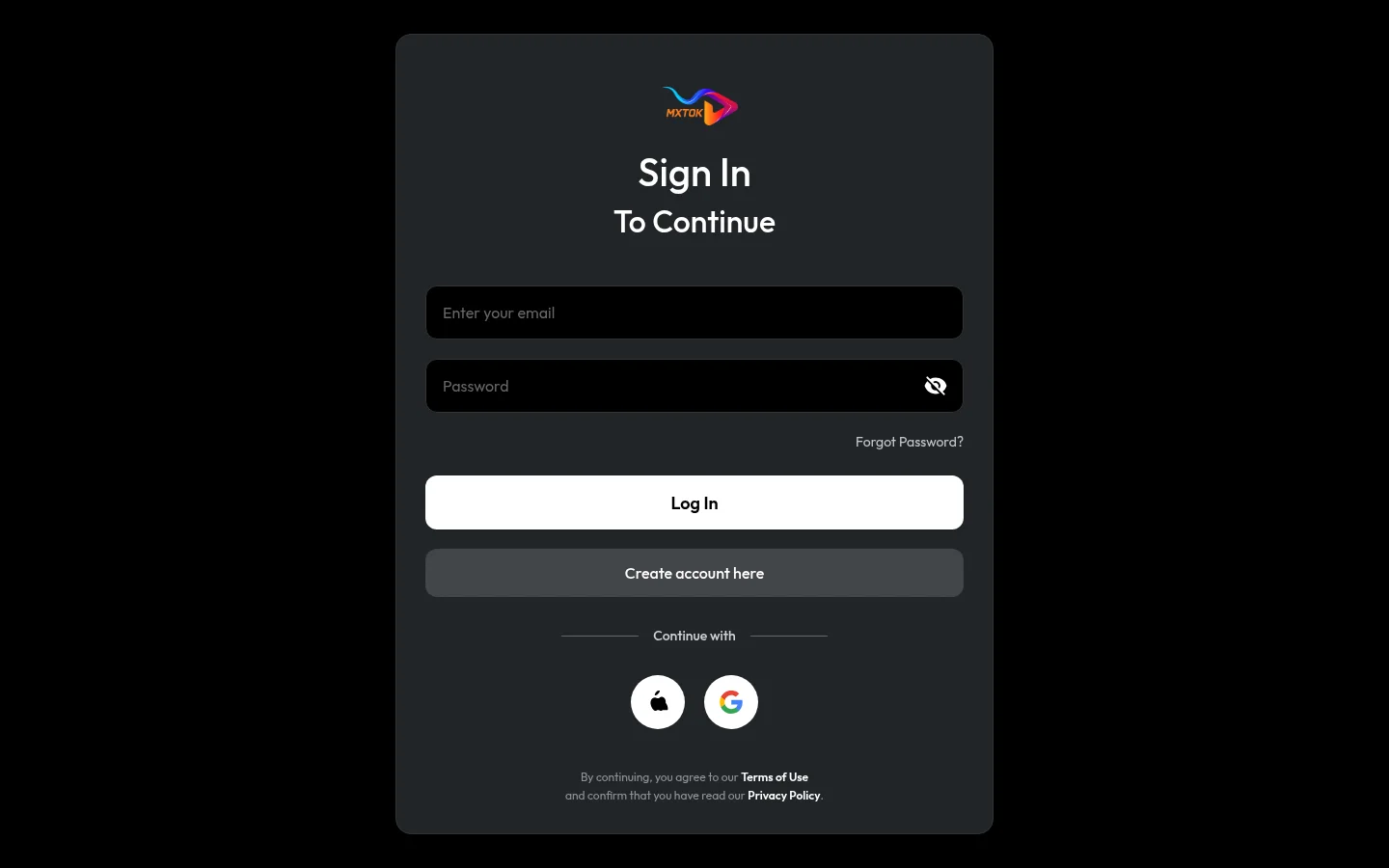
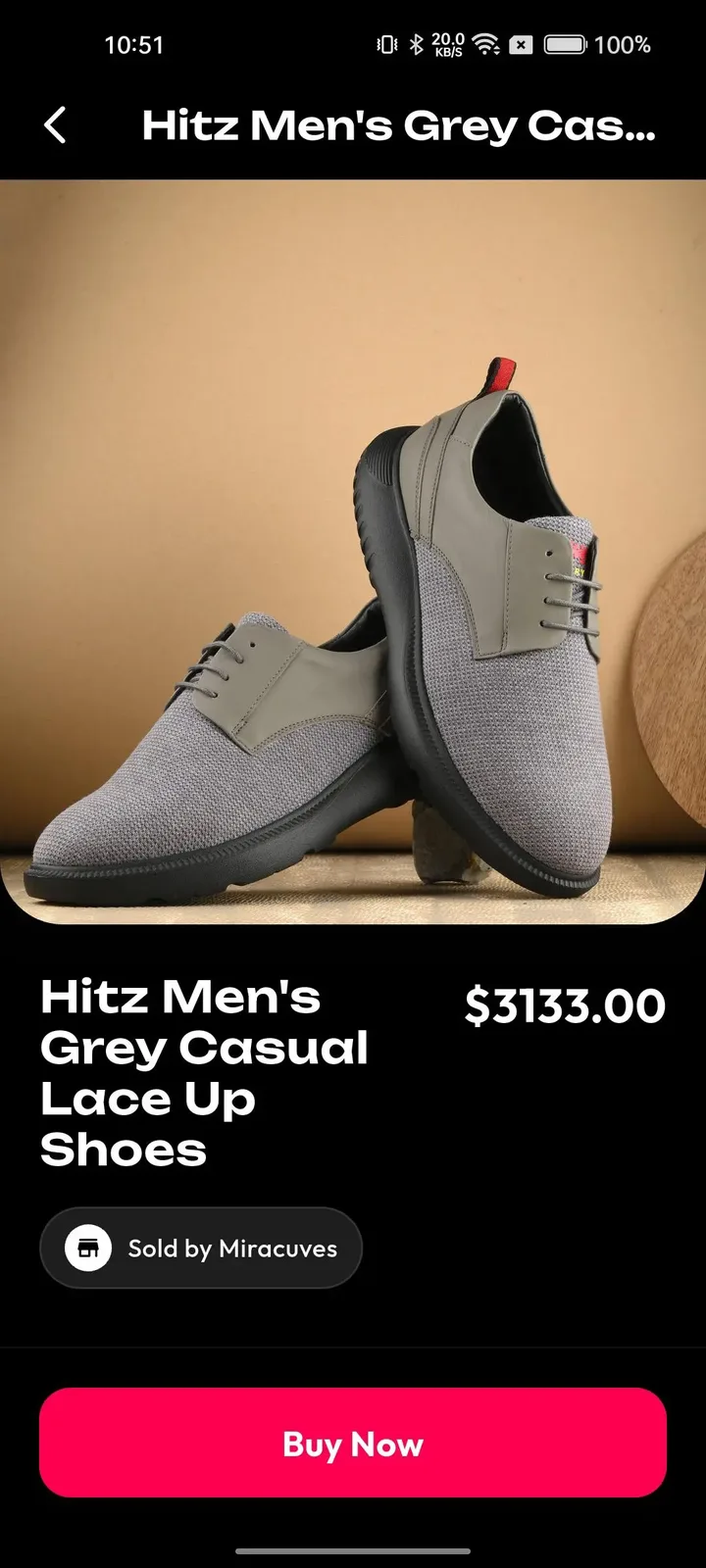
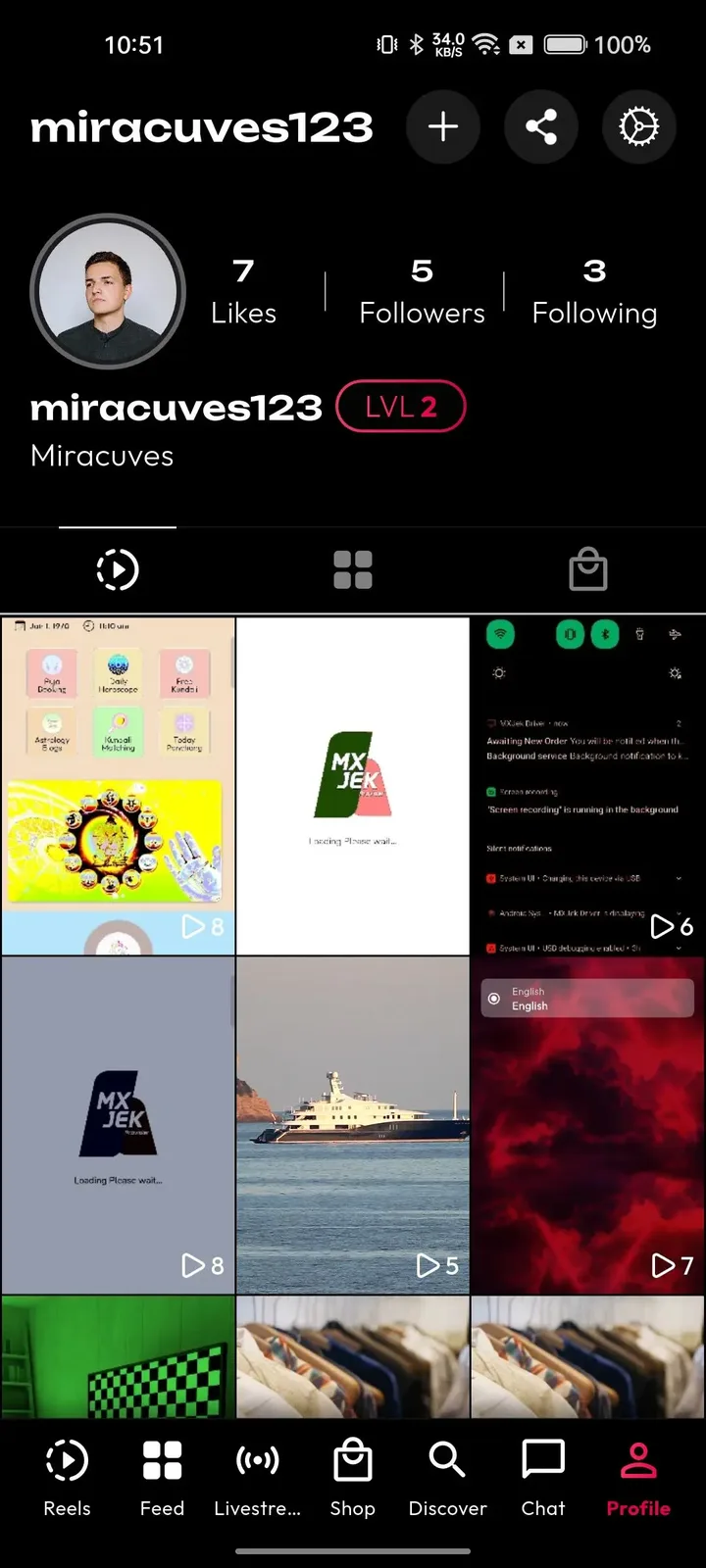
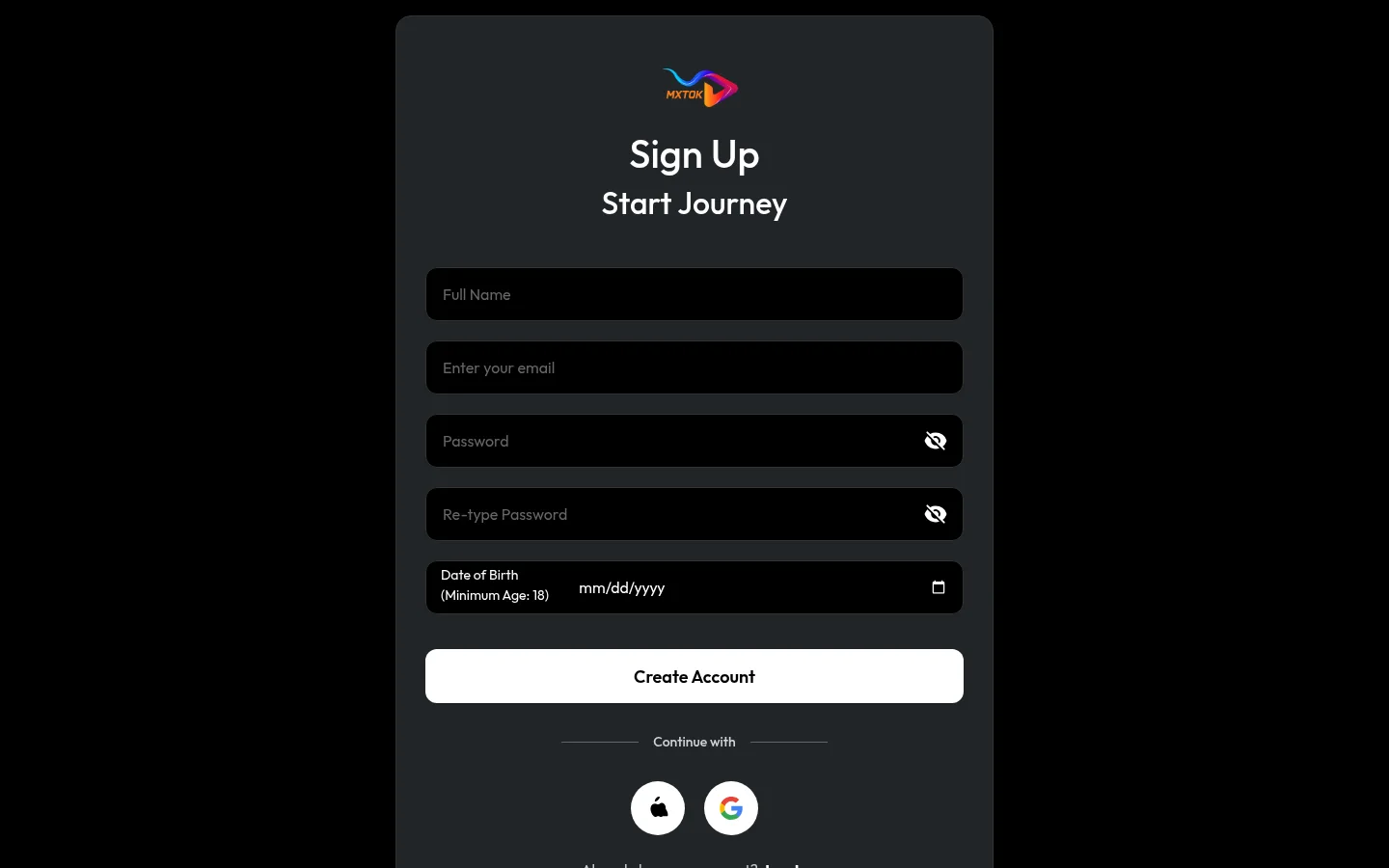
- The TikTok Clone, on screen
- How TikTok itself is known to make money
- Which lever to use at each stage of growth
- Ways operators run a video platform
- Monetization mistakes that damage a young video app
- Which lever to switch on first, and what to protect
- Try the live TikTok Clone demo
- TikTok Clone business model FAQs
- Explore the TikTok Clone
Attention is free to give and expensive to hold, so sell what grows from it
A short video platform does not charge for the thing it does best. Watching is free, which is what lets the audience grow. The business is built on the second-order moments: the viewer who wants to reward a creator, the brand that wants that viewer, the seller who wants to reach them and the fan who wants more of one person. Because the free layer is the audience, anything that makes watching worse, such as an early wall of ads or a paywall on ordinary clips, shrinks the pool that every other stream draws from.
That is why the model is layered rather than singular. Each stream depends on a different kind of demand, and each becomes viable at a different size of audience. Gifts need only engaged viewers and a creator to reward. Advertising needs enough viewers to interest a buyer. Commerce needs sellers with something worth buying. A useful way to read your own platform is to ask which buyer you could realistically satisfy this quarter. Early on the honest answer is usually the generous viewer. Later it becomes a brand with a campaign to run, and only after that a seller with stock to move.
The practical idea is to match each lever to the demand you actually have today. Everything in the product is built so that the levers exist from the first day, but a sensible operator turns them on in sequence, in the order the audience can support, instead of switching on all of them and starving each. Sequencing also protects creators: they see income arrive while the audience is still modest, and they stay long enough for the feed to become worth selling.
The revenue levers inside the platform
Each of these is a working module in the product, controlled from the admin panel. For every one, the useful questions are who pays, when the money moves and what share stays with you as the operator.
Coins and gifts
Viewers buy coins in bundles and spend them on gifts for videos and live rooms. The value lands in the creator wallet after your commission, which you set per creator agreement. It needs no outside buyer, only engaged viewers, so it can earn from the first active creators.
Live monetization
A live room can earn from gifts in real time, from paid access to a session and from viewer perks. The viewer pays at the moment of excitement, and you keep your share of every gift or ticket. It works best with creators who are comfortable talking to a crowd.
Subscriptions
Fans pay a recurring amount, priced in coins, for premium access and community perks from one creator. The fan pays on a schedule, you keep a platform share of each payment, and the creator gets a steady base. It only makes sense once a creator has followers who care.
Advertising
Advertisers buy creator campaigns and in-app placements, and rewarded mobile ads can be configured as well. The advertiser pays against reach, and you keep the fees. Selling ads requires an audience large enough to interest buyers, so it follows growth rather than leading it. Set a limit on how often any viewer sees a sponsored clip, and let advertisers choose categories to avoid, since a single awkward placement can cost you an advertiser as well as a viewer.
Sponsored challenges
A brand pays to sponsor a hashtag challenge, with contest uploads, rewards and a featured banner on the feed and explore tab. The fee is negotiated per campaign. You keep it all, minus any prize pool you promised, and creators get a reason to post. Offer the sponsor a report afterwards showing entries, views and completion, because a brand that can see what it bought is far more likely to book the next challenge.
Social commerce
Sellers list products in the marketplace, tag them in videos and sell during live shows. The buyer pays the seller and you keep a commission or fee on each sale. It needs sellers and a trusted checkout, which makes it a later-stage lever. Start with a handful of vetted sellers and a visible returns policy, and let live selling follow once buyers trust the checkout. One unresolved refund dispute damages the stream for everyone.
Boosts and creator tools
Creators and brands can pay to extend a video beyond its organic reach, and premium analytics or editing tools can be sold directly. The payer is the creator or brand, the fee is yours, and the offer works because they want to widen a result they already have.
The TikTok Clone, on screen
Real screens from the working product. Your platform ships rebranded with your name, logo and colors.
Web app 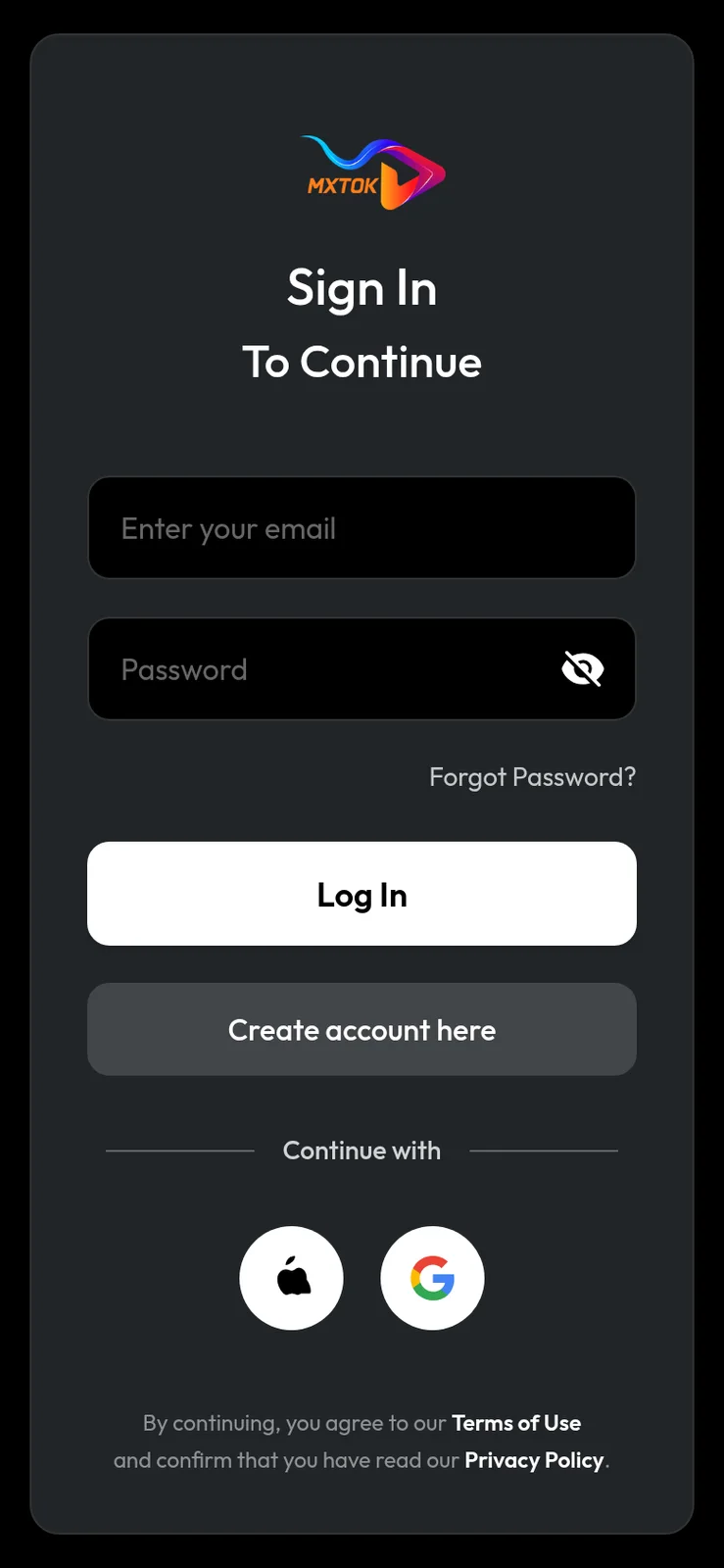
Web app 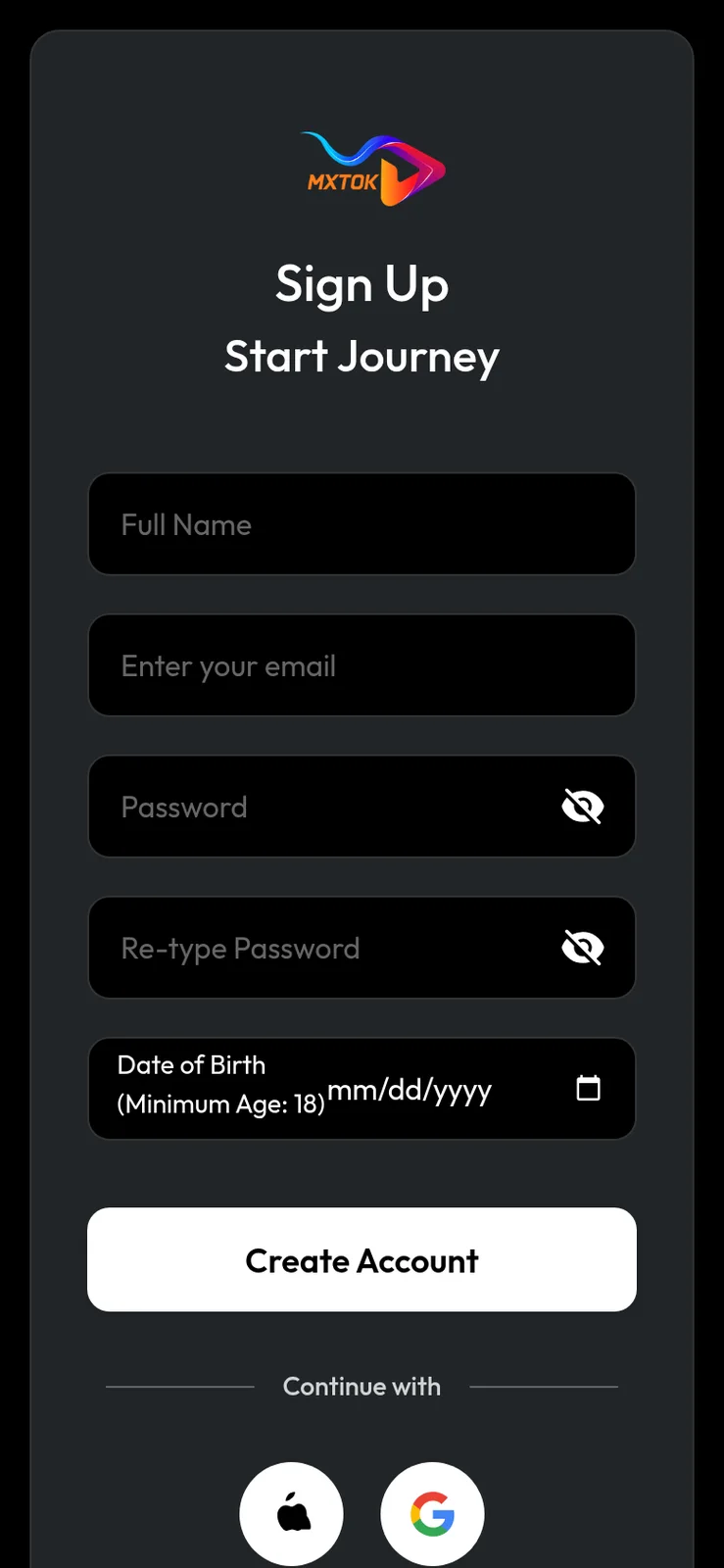
Web app 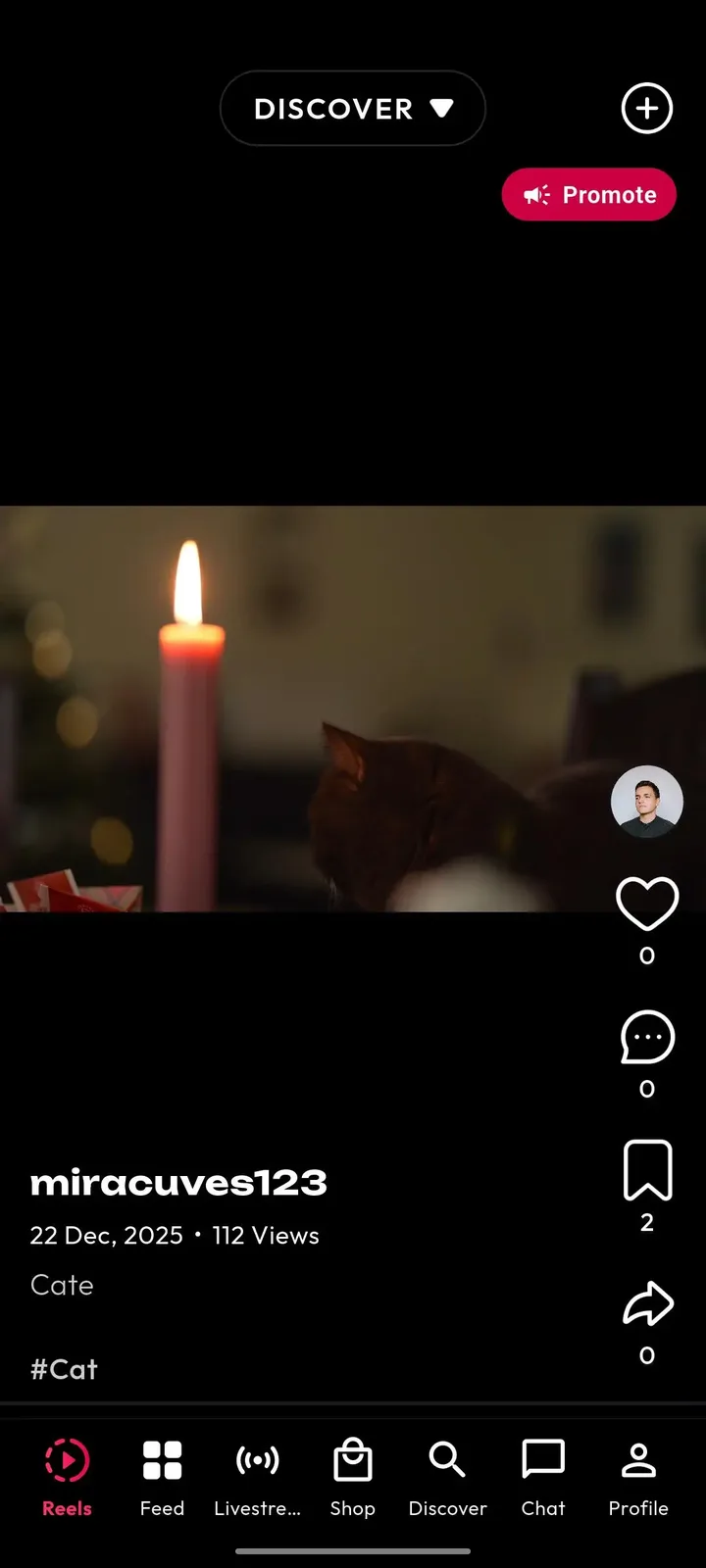
User app 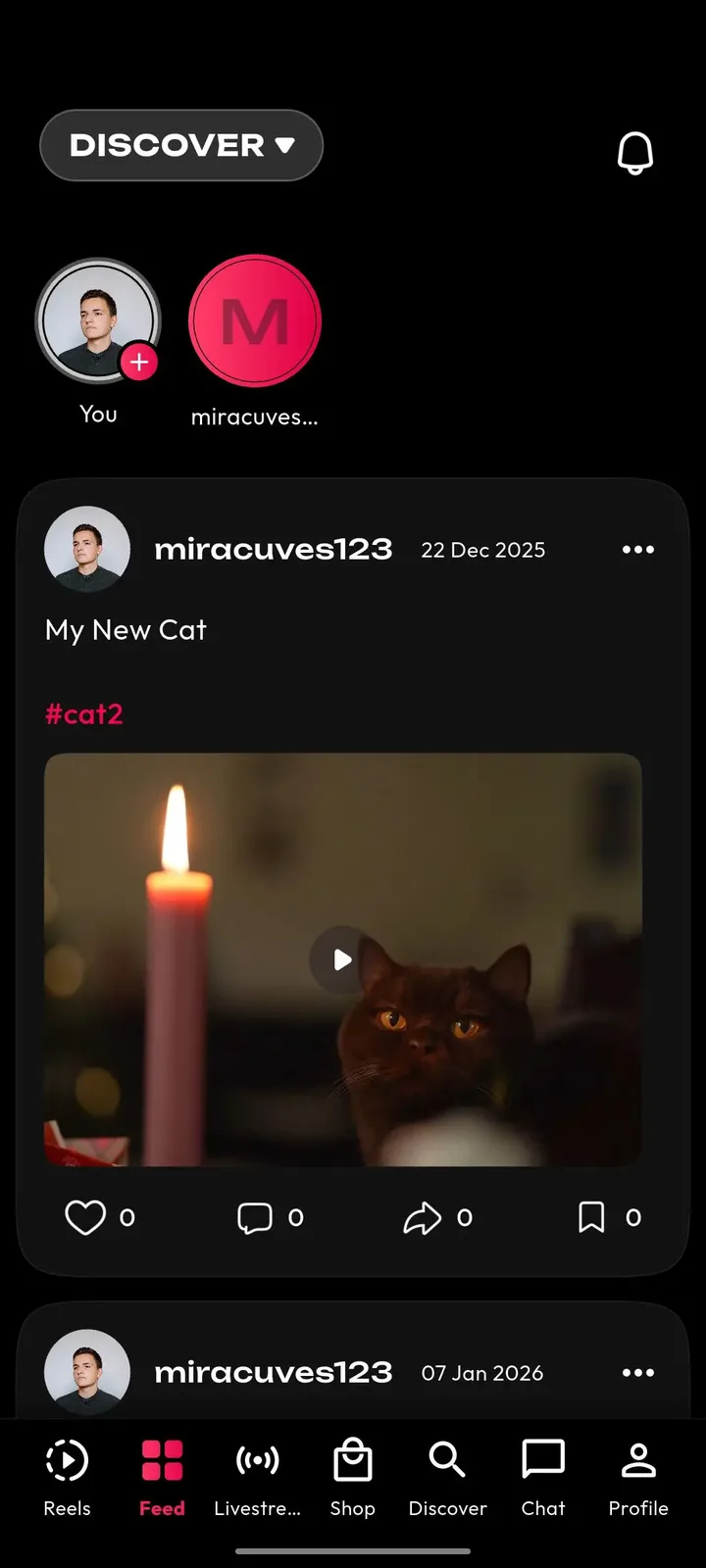
User app
How TikTok itself is known to make money
It is widely understood that the original app earns mainly from advertising sold against the attention its feed holds, including in-feed ads and brand placements such as sponsored challenges. Alongside that, viewers can buy virtual coins to send gifts during live broadcasts, and the company keeps a share before creators are paid. That mix reflects a mature platform with advertiser relationships built over many years, so a new operator should not assume the same proportions will work at launch.
It has also built commerce into the app, so a discovery video can lead to a purchase, and it runs programs through which creators are paid. This page does not rely on any figure about that business. The useful lesson is structural: a free, ranked feed that holds attention first, with several kinds of payment layered on afterward.
Which lever to use at each stage of growth
The order below follows the demand you will actually have, not the revenue mix of a mature giant. Treat each row as a decision about what to switch on, what to keep off and why that choice protects the viewing experience.
| Stage | Lever to use | Why |
|---|---|---|
| Seeding | Hashtag challenges and a small invited creator group | The feed needs content before it needs revenue, so use challenges to give creators a reason to post. |
| Launch | Coins and gifts, with live rooms for willing creators | This lever needs no advertiser or seller, only engaged viewers, so it pays for itself first. |
| Loyal followings | Subscriptions and fan clubs | Recurring payments only work once some creators hold followers who will pay to stay close. |
| Audience scale | Advertising and boosts | Buyers want proven reach, and ads placed too early hurt the experience for little income. |
| Brand traction | Sponsored challenges and creator campaigns | Measured reach and completion data give you something concrete to sell to brands. |
| Mature network | Social commerce and live selling | Commerce needs sellers, trust and volume, which arrive after the audience does. |
Ways operators run a video platform
The same software supports quite different businesses. These are the common shapes, each leaning on a different set of levers and a different kind of audience, so you can see which resembles your plan.
Open creator network
A general network for a language or region, with public sign-up, a broad feed and gifts as the core income. Success depends on recruiting enough creators to make the feed feel full, and on moderation that scales with open uploads. Advertising joins later, once reach is proven. Plan a pilot period in which you invite known creators by hand, because an empty open feed convinces new visitors to leave after a single swipe.
Brand-owned video hub
A company or media group uses the platform to hold its own audience, with clips, campaigns and featured trends. Revenue is indirect or comes from sponsorship and commerce, and the admin controls help keep the feed on message. Control matters more than open growth. Typical examples are a broadcaster, a retailer or an event organizer that wants its own audience rather than renting reach elsewhere, with staff approving every upload before it appears.
Niche community app
A focused network around one hobby, profession or fan base, where paid access, subscriptions and live sessions carry most of the income. A small, devoted audience can support it, because members pay for belonging and for direct access to the people they follow. Because the group is small you can price subscriptions generously and run frequent live sessions, but you must keep the community active: a quiet month is noticed at once when everyone knows each other.
Social commerce channel
A seller-led network where product videos, live selling and tagged items sit in the same feed as entertainment. Income comes from commission on sales and promotion, so the quality of the shop and the trust in checkout matter more than raw viewer numbers. Shoppable tags, order tracking and a clear dispute route become part of the product, so appoint someone to look after sellers the way another operator would look after creators.
Monetization mistakes that damage a young video app
Most failures here come from timing rather than from the wrong choice of lever. These are the patterns that repeatedly hurt young platforms, and each has a simple preventive habit.
Switching ads on too early
Ads placed before reach can attract buyers interrupt viewers and earn almost nothing. People leave, and the feed feels empty. Wait until your audience would interest an advertiser, and use gifts to fund the early period instead.
Relying on one revenue stream
A platform that earns only from one thing is exposed when that thing falters. Layer gifts, subscriptions and campaigns over time, so a quiet month in one lever does not threaten the whole business or the creators who depend on it.
Offering subscriptions with no one worth following
A subscription is a promise of ongoing value from a person. If no creator has a loyal following yet, nothing is worth subscribing to. Introduce it when a handful of creators can credibly hold paying fans.
Changing the commission after creators join
Creators judge you on whether the rules are clear and stable. Publish the commission and withdrawal rules early, and avoid altering them without notice, because retrofitting terms after payouts begin damages the trust the whole economy relies on.
Copying a mature mix on day one
A billion-user giant earns from many streams because it has the audience for each. A new platform that tries to launch with all of them spreads thin and does none well. Sequence the levers to match your real stage.
Under-moderating while paying creators
Paying people to post without watching what they post invites abuse, and abuse scares brands and payment partners. Staff the queue and enforce your policy consistently before you open money flows at scale. A moderation backlog in the middle of a payout week is the worst moment to discover the problem, so agree response targets with your staff before money starts moving.
Which lever to switch on first, and what to protect
Start with coins and gifts, and open live rooms only for the creators who want them. Gifting is the one lever that does not depend on anyone outside your platform, and it rewards exactly the people you most need to keep: early, active creators. Publish the commission and the withdrawal rules, and approve payouts by hand so you learn the patterns.
While that runs, use hashtag challenges to keep the feed supplied with content from your niche, and hold advertising, sponsorships and commerce back until you have reach worth selling. The thing to protect in the early period is the viewing experience, because every other lever depends on people choosing to keep watching. Check the habits weekly, such as how many viewers stay through a whole clip and how many return the next day, and move to the next lever only when those habits are steady rather than when a calendar date arrives.
Try the live TikTok Clone demo
The demo is a running copy of the short video platform with our demo branding, not a slideshow. Open the web app and the admin panel in a browser, or install the Android build, and sign in with the public demo accounts below to watch the feed, post a clip, open a live room and see how an operator reviews it.
-
Web app
Open the Web app demo- Login
miracuves@yopmail.com- Password
User_321
Worth trying
- Scroll the web feed and open a single video page
- Visit a creator profile and a hashtag page
- Look at the install prompt for the web app
- Check how a video link would preview when shared
-
Android app
Open the Android app demo- Login
miracuves@yopmail.com- Password
User_321
Worth trying
- Swipe through the For You feed
- Open the Create screen and browse filters and sounds
- Enter a live room and look at the gift tray
- Open the profile and the coin wallet
-
Admin panel
Open the Admin panel demo- Login
admin- Password
Admin_$321
Worth trying
- Open the dashboard and read the platform totals
- Browse the user list and open one account
- Review the video list and the moderation actions
- Find the revenue and payout screens
TikTok Clone business model FAQs
Can I change the commission on gifts later?
Yes, commission and monetization settings are controlled from the admin panel. The technical change is easy, but the commercial effect is not, because creators plan around what you publish. Set a rate you can live with from the start, and announce any change clearly and in advance.
Do I need many users before any money comes in?
Gifting can earn with a small base, because it needs engaged viewers and a creator worth rewarding rather than a large audience. Advertising is the lever that needs scale. A narrow, active community often earns sooner from gifts and subscriptions than a large, passive one.
How do creators actually get paid?
Earnings collect in the creator wallet, which tracks coins, gifts, subscriptions and creator fund balances. A creator requests a withdrawal, and an admin approves it from a queue, with every payout logged. You decide the verification you require and how often you approve.
Is the creator fund a requirement?
No. It is an optional lever. Qualified views feed a dashboard of estimated earnings, and withdrawals wait for your approval. Some operators skip it and pay only through gifts and subscriptions, while others use it as a controlled way to keep creators active.
Will Apple and Google take a share of coin purchases?
Coin purchases made inside a mobile app may fall under the stores in-app purchase rules, which include a share for the store. Price your coin bundles with that in mind. Web purchases and local payment routes are options your advisers can review for your market.
Can I sell my own products through the platform?
Yes. The marketplace, product tagging in videos and live selling let a seller or your own company list and sell items inside the app. Orders, product pages and a seller dashboard are included. Fulfillment, returns and consumer rules remain yours to run.
Explore the TikTok Clone
The overview and its companion pages answer the main questions in turn. Pick the one you need next.
-
TikTok Clone
The overview: live demo, screens, price and everything in the box.
Back to the overview -
Features
This page follows one video through the whole platform, from the moment a creator hits record to the moment an operator reads the revenue report.
See the full breakdown -
Development cost
The price of a short video platform is one number on the day you buy and a different set of numbers every month after.
See exact pricing -
Development company
Video is one of the unforgiving product categories: weak delivery, slow uploads or poor moderation show up immediately and publicly.
Compare options
→Start here
Tell us what you want to launch.
Share the platform and your market. You get a walkthrough of the live demo, the exact scope of what ships, and a fixed price in writing. First response in under 2 hours, Monday to Saturday, 10:00 to 19:00 IST.
Trademark and independence notice
This page uses the name TikTok to describe a type of platform. The product sold here is separate software, built independently, and TikTok has no part in it.
Why this name
"TikTok clone" is industry shorthand that founders use when searching for software with a comparable business model. It names a category of product, not a copy of TikTok.
Who built this
The platform is an original product designed and written by Miracuves. It contains no code, design, graphics or content originating from the TikTok website or applications, and it ships under your own brand.
Trademarks
TikTok and its logos are trademarks of their respective owner and are named here for reference only. GetFame is not affiliated with, sponsored by or endorsed by TikTok. Rights holders can write to legal@miracuves.com.
Operator responsibility. The operator of a launched platform is responsible for legal compliance in the markets it serves. Nothing on this page is legal advice.Read the full disclaimer