YouTube Clone Development Company: How to Pick the Right One
A video platform is bandwidth-hungry, moderation-heavy and full of payment flows, so the team you choose matters more than the demo you see. This page explains what to look for, compares agencies, freelancers and GetFame, lists the questions worth asking, and states clearly where our responsibility ends.
- Since 2010
- building platforms
- 9,000+
- projects delivered
- 6,000+
- clients served
On this page10 sections
- How to choose a video platform developer
- Agency, freelancer or ready-made platform
- Questions to put to any provider
- The YouTube Clone, on screen
- How we take you from enquiry to a live platform
- Warning signs when comparing providers
- What stays with you
- Try the live YouTube Clone demo
- YouTube Clone development company FAQs
- Explore the YouTube Clone
How to choose a video platform developer
Look for experience with the specific problems of video: handling large uploads, adaptive playback, live streaming, moderation and the business of copyright claims. A team that has built forms and dashboards is not the same as one that has run a service where files are heavy and audiences are unpredictable. Ask to see those parts working. Ask to upload a long file, watch it play on a slow connection and see what the admin sees when a claim arrives. A provider who can show those in order will usually build the rest properly.
Then examine what you will own. Complete, unencrypted source code, deployment on servers you control and no revenue share are signs you are buying a product, not renting a dependency. A provider that tells you plainly what is not included is usually more trustworthy than one that promises everything at a low price. Ask also who can change the platform after delivery. If only the vendor can, every future adjustment becomes a dependency on one team and a bill from them.
Agency, freelancer or ready-made platform
Each route can deliver a video platform, but they differ in speed, certainty and what you hold at the end. The table compares them in general terms on the points that matter for video, without quoting figures for providers other than ourselves.
| Aspect | Agency | Freelancer | GetFame |
|---|---|---|---|
| Time to launch | Many months of design and build | Months, with delivery tied to one person | Six working days for the ready-made platform |
| Upfront budget | Large, committed before launch | Moderate, though it often grows | $2,799 one-time |
| Video features | Built to your written specification | Often uploads and playback only | Channels, Shorts, live and monetization included |
| Mobile apps | Extra cost for each platform | Frequently one platform only | Android and iOS apps included |
| Copyright tooling | Added if specified and paid for | Rarely considered | Takedown, dispute and strike tools included |
| Source code | Yours after final payment | Yours, with quality unknown until handover | Complete and unencrypted at handover |
| Support afterwards | A retainer, usually at extra cost | Depends on their availability | 60 days support and a year of updates |
| Delivery risk | Scope changes slow the schedule | One person is a single point of failure | The product already exists and runs |
Questions to put to any provider
Ask these of us and of everyone on your shortlist. The answers reveal more than a portfolio, and a provider who grows vague on any of them is showing you what the project is likely to feel like once you have paid.
How are large uploads handled?
Video files are big and mobile connections fail. Good answers describe how uploads resume, how files are processed for playback and what happens when processing fails. Poor answers treat a video like a profile picture and discover the difference after launch.
Who controls the money rules?
Commission, ad settings and membership terms should be editable by an administrator. If changing a percentage needs a developer and a release, your business will be waiting on code whenever you want to adjust the economics. Ask to watch it done in the admin panel during the demo, changing a percentage and seeing the new rule reflected on a test payment.
What happens on a copyright claim?
A public video site will receive claims. Ask to see takedown, dispute and strike handling in the admin panel, and how records are kept. A provider with no answer has not thought about the most common problem you will face.
Is the source code readable?
Ask whether the code is encrypted or obfuscated. Unencrypted code means your developers can audit and extend it, while locked code ties you to the vendor for every change, however small. Ask to see a sample of the delivered code and the documentation that explains it, so your own engineers can judge how easy it is to continue the work.
Who holds the third-party accounts?
Your payment, messaging, push and store accounts should be in your name. A provider holding them creates a dependency, and a dispute with that provider could cost you service or money at the worst time. Ask who receives the billing emails and who can rotate the keys, since being able to do that yourself is a clear sign you own the account.
How do mobile apps reach the stores?
Ask who prepares the submission, whose developer accounts are used and what happens if a store rejects the app. A reliable provider submits through your accounts and works through review questions with you. Ask for the checklist the stores require, such as privacy descriptions and payment disclosures, so you know what you must prepare before submission.
What is left out of the price?
Every product has edges. A trustworthy provider lists hosting, storage, gateway fees and extras as your costs, in writing, so you can budget honestly instead of discovering them after payment. Ask for a one-page list of exclusions, such as hosting, delivery networks and moderation staff, and compare it with your budget line by line.
What follows after handover?
Ask exactly how long support lasts, what it covers and what updates cost. Vague answers often mean the real price arrives later as retainers or fees for ordinary fixes that you assumed were included. Ask for the support hours, the first-response promise and the list of fixes that count as free updates, in writing, so nothing depends on goodwill.
The YouTube Clone, on screen
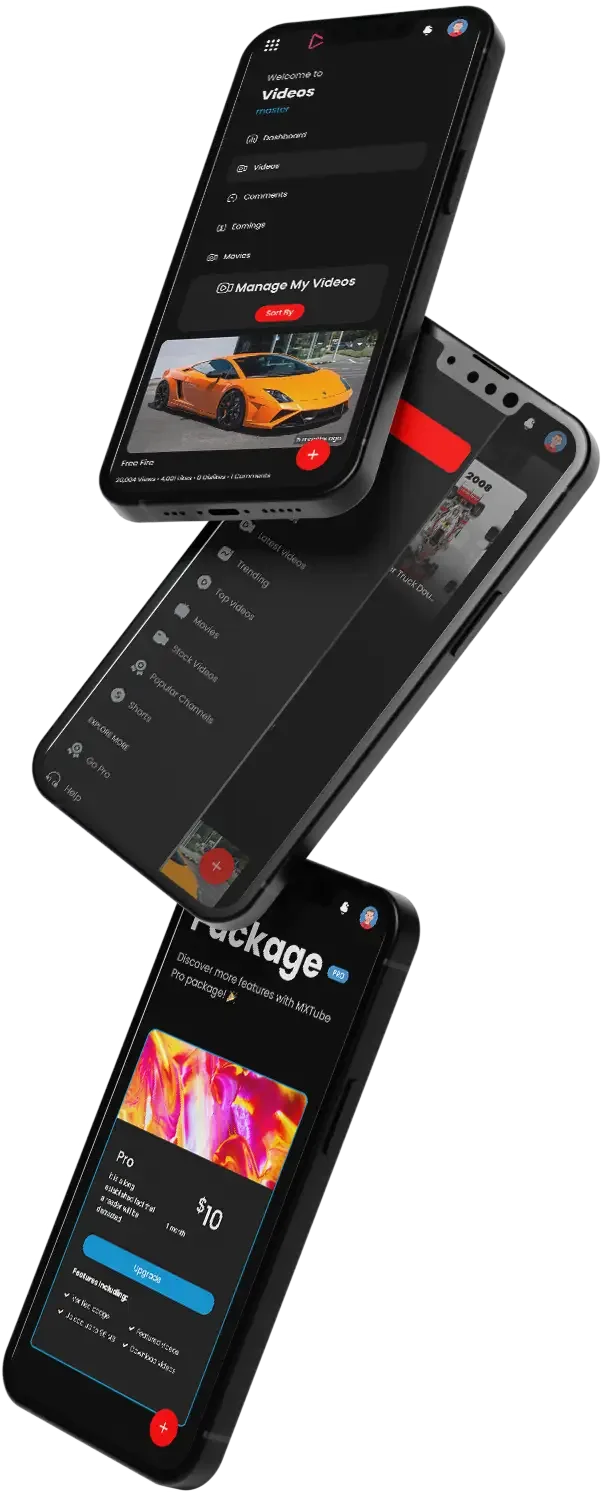
Real screens from the working product. Your platform ships rebranded with your name, logo and colors.
Overview 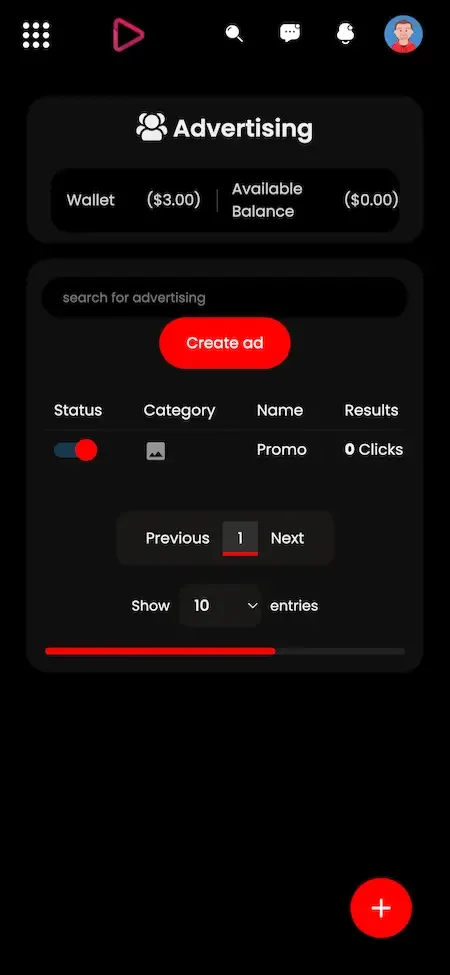
Creator studio 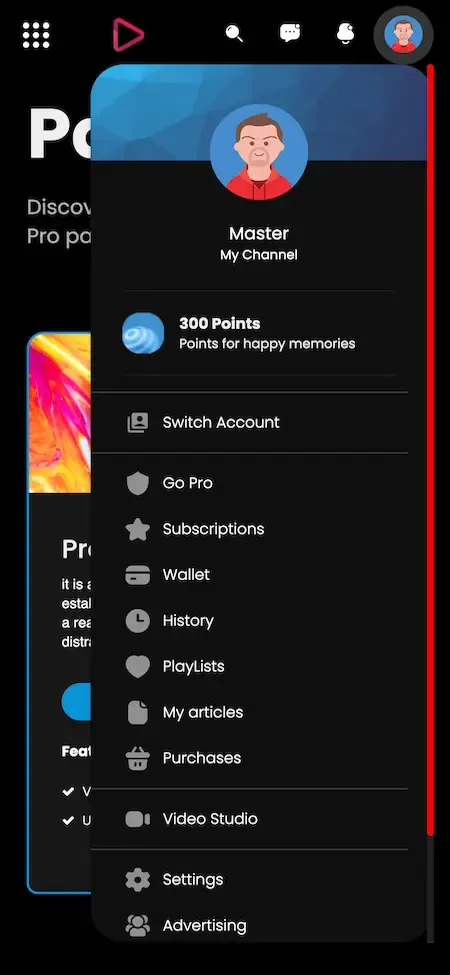
User app 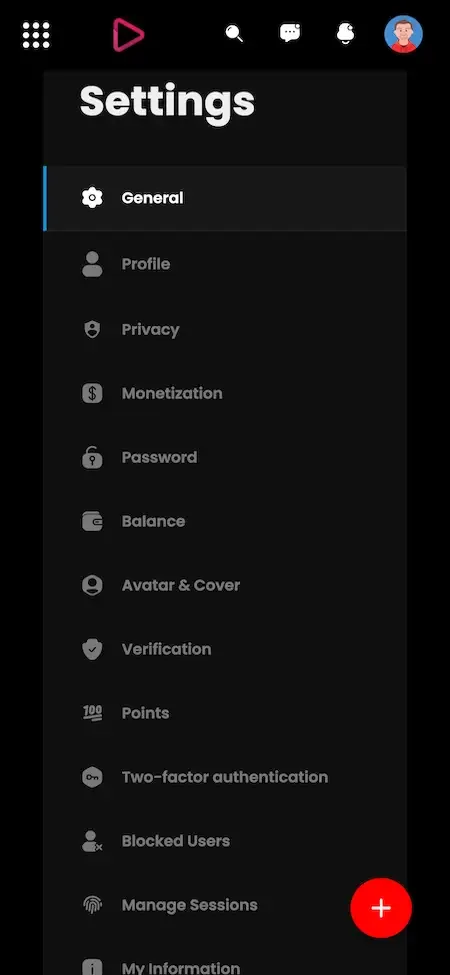
User app 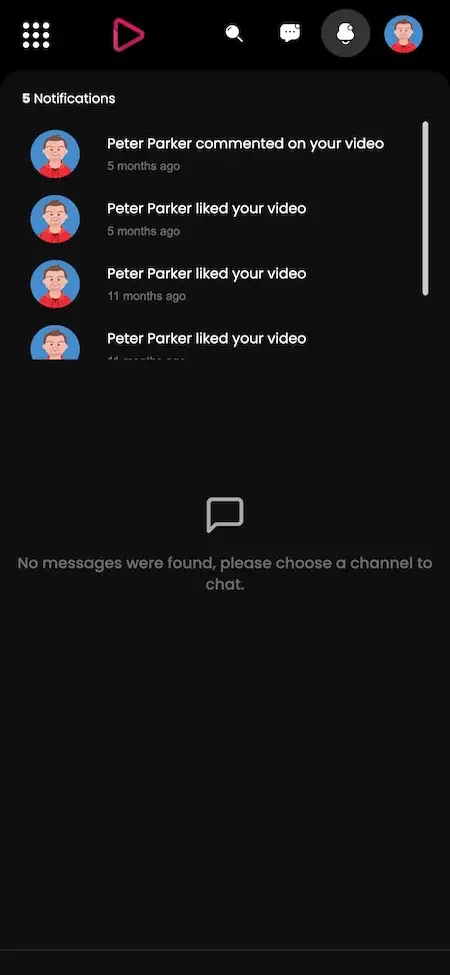
User app
How we take you from enquiry to a live platform
The process is short because the platform already exists. Most of the work is branding, connecting your accounts and testing the main paths, and the calendar depends on how quickly you provide what we need from you.
-
Scope and video model
We confirm what kind of video site you are building, such as open uploads or a curated channel set, who your first creators are and any changes you need beyond the ready-made product. We also note your fixed constraints, such as a launch date or a payment provider, so those are planned around instead of discovered late.
-
Rebranding all surfaces
Your logo, icons and color scheme are applied to the viewer web panel, the admin panel and the Android and iOS apps, so nothing in the product shows our name or anyone else's. We also change store names, splash screens and policy page headings, because those are the places a leftover name most often hides.
-
Gateways and services
Your payment gateways, push, SMS and map services are wired in and configured as agreed. Keys and accounts stay with you, so running the platform never depends on a login that we hold. If a service needs your approval, such as a push provider or a map project, we tell you what to submit and check it works before we move on.
-
Upload and playback testing
Our quality team tests uploading, playback, live streaming, subscriptions and the main admin workflows. We ask you to try the demo and flag anything you want changed before deployment. Any change you ask for at this point is either made before deployment or written down as tailored work, so the launch date is not moved quietly.
-
Deployment on your servers
We deploy the tested platform on servers you control and check it again in the live environment. This is also the moment to write your community guidelines and copyright policy, which only you can decide. We also show your team how to review uploads and handle a claim in the admin panel, so the first real situation is not their first try.
-
Handover and store submission
We hand over the source code and begin publishing the apps to both stores on your developer accounts. After launch you have 60 days of technical support, with first response under two hours, Monday to Saturday, 10:00 to 19:00 IST.
Warning signs when comparing providers
No single sign proves a provider is a bad choice, but certain patterns tend to predict trouble. If you notice several together, slow down and ask for proof before committing any money to the project.
- A demo that shows only playback and never uploads, approval or the admin side
- Source code that is encrypted, obfuscated or withheld until later payments
- Payment, push or store accounts registered in the vendor's name
- A monthly license or revenue share on software you are told you own
- No mention of copyright claims, strikes or takedown handling at all
- Promises of audience, ad income or creator earnings after launch
- No clear statement of hosting, storage and bandwidth costs as yours
- A fixed delivery date with no description of the steps behind it
- Vague support terms with no stated length or response time
What stays with you
We deliver software and help you launch it. Several important parts of running a video service sit outside that, and saying so now is better than leaving you to find out after payment, when your choices are narrower.
Supply creators or viewers
We do not bring channels, content or an audience. The platform gives them somewhere to publish and earn, but recruiting the first creators and attracting viewers is a task that only your team can carry out.
Host your video
Servers, storage and bandwidth are bought from a hosting provider you choose, on your account. We deploy to them and help you size them, but we do not operate or pay for your infrastructure.
Provide legal advice
We do not advise on copyright law, data protection, child safety or advertising rules in your country. Please take qualified local advice, and tell us what you need built to meet it.
Staff your moderation
Approval queues, bans and strike tools are built in, and we will show your team how to use them. Hiring and managing the people who review uploads and answer takedown notices remains your responsibility.
Control store decisions
We prepare and submit the mobile apps, but Apple and Google decide whether to accept them. Payment gateways also make their own decisions, and we cannot promise the outcome of any review.
Forecast your revenue
We make no predictions of views, memberships or ad income. Results depend on your creators, your market and your marketing, so any figure we offered would be invented and unfair to rely on.
Try the live YouTube Clone demo
The demo is a running copy of the platform with demo branding. The viewer web app and an Android build use a shared sample account, so you can watch, search, subscribe and open the creator tools yourself. The admin panel is linked from the same demo site, and you can ask us for administrator access if you want to test approvals and commissions.
-
Viewer and creator web app
Open the Viewer and creator web app demo- Login
user@demo.com- Password
User_321
Worth trying
- Browse categories and the trending view
- Search for a video and apply the filters
- Subscribe to a channel and open its playlists
- Open the upload screen and look at privacy options
-
Admin panel
Open the Admin panel demoWorth trying
- Look at video approval and user management
- Open commission and monetization settings
- Read the analytics and storage figures
-
Android app
Open the Android app demo- Login
user@demo.com- Password
User_321
Worth trying
- Install the app and sign in
- Play a video and change the quality
- Check notifications and the downloads screen
YouTube Clone development company FAQs
Do you build video sites from scratch?
Our main offer is the ready-made platform, which we brand and deploy for you. If you need something more, we scope the tailored work with you, usually two to eight weeks, on top of the existing code.
Who owns the code after delivery?
You do. We transfer the complete source code without encryption, with no runtime license and no revenue share. You can host it where you like, change it freely and hand it to your own engineers or another vendor.
How quickly will you reply to an enquiry?
Our first response is under two hours, Monday to Saturday, between 10:00 and 19:00 IST. Sending your market, timeline and must-have features in the first message lets us reply with specifics instead of a general greeting.
Can you help publish the mobile apps?
Yes. We submit the apps to both stores through your developer accounts and work through approval questions with you. Acceptance is decided by Apple and Google, so we cannot promise an outcome, but we prepare carefully.
Do you work with companies outside India?
Yes. We have delivered projects in many markets since 2010, and we handle time zones through our stated support hours. The platform supports several languages and currencies, so it can be tuned to your region. Agree a weekly call slot at the start so decisions are not delayed by time zones, and send questions in writing so we can answer with specifics.
What should I prepare before we start?
Bring your brand assets, a decision on your target audience and video model, server access, payment gateway accounts and active Apple and Google developer accounts. Having these ready keeps the six-day window realistic. If you have not chosen a gateway or opened the store accounts yet, tell us early, because those approvals are the items most likely to set the calendar.
Explore the YouTube Clone
The overview and its companion pages answer the main questions in turn. Pick the one you need next.
-
YouTube Clone
The overview: live demo, screens, price and everything in the box.
Back to the overview -
Features
A video platform is several products at once: a library, a social network, a live stage and a small advertising business.
See the full breakdown -
Development cost
A video platform has two cost stories: the price of the software and the cost of serving video.
See exact pricing -
Business model
A video platform earns by turning attention into several kinds of payment, and the mix matters more than any single line.
See the playbook
→Start here
Tell us what you want to launch.
Share the platform and your market. You get a walkthrough of the live demo, the exact scope of what ships, and a fixed price in writing. First response in under 2 hours, Monday to Saturday, 10:00 to 19:00 IST.
Trademark and independence notice
This page uses the name YouTube to describe a type of platform. The product sold here is separate software, built independently, and YouTube has no part in it.
Why this name
"YouTube clone" is industry shorthand that founders use when searching for software with a comparable business model. It names a category of product, not a copy of YouTube.
Who built this
The platform is an original product designed and written by Miracuves. It contains no code, design, graphics or content originating from the YouTube website or applications, and it ships under your own brand.
Trademarks
YouTube and its logos are trademarks of their respective owner and are named here for reference only. GetFame is not affiliated with, sponsored by or endorsed by YouTube. Rights holders can write to legal@miracuves.com.
Operator responsibility. The operator of a launched platform is responsible for legal compliance in the markets it serves. Nothing on this page is legal advice.Read the full disclaimer