
Thrillz Clone Business Model: How a VIP Access Platform Earns
A VIP access platform earns by selling time and attention, not only finished clips, and its income grows with the variety of things a fan can book. This page explains the idea behind the model, each stream and who pays for it, how the named service works in broad terms, and which lever to switch on first when you launch your own platform.
- 7
- ways to earn
- 3
- interaction types
- None
- revenue share to us
On this page11 sections
- The idea behind selling access to VIPs
- Revenue streams of a Thrillz clone platform
- The Thrillz Clone, on screen
- How the Thrillz model works
- Which lever to use at each stage of growth
- Three ways operators run a VIP access platform
- Mistakes that stall a VIP access platform
- The first lever to switch on for your platform
- Try the live Thrillz Clone demo
- Thrillz Clone business model FAQs
- Explore the Thrillz Clone
The idea behind selling access to VIPs
A plain shoutout app sells a finished clip, and the sale ends when the video arrives. A VIP access platform sells something with more shape: a booked moment, a scheduled meeting, a place in a live session or a membership that opens doors. Each of those can be priced higher than a clip because the buyer values time with a person, and the person's time is limited.
Limits are what make the model work commercially. Talent can only attend so many sessions, so scarcity supports prices, and a calendar turns that scarcity into something a fan can see and plan around. Operators then earn from the number of bookings, the price of each and the memberships that keep fans close between bookings. A slot that is visibly running out encourages a fan to book now rather than wait, which is why showing availability honestly helps sales.
The model asks more of the operator than a simple clip marketplace. Scheduled sessions can be missed, tickets can be disputed and live events need support on the day. Platforms that handle those moments well gain loyal fans, and platforms that treat them casually collect refund requests. The software helps, but the discipline behind it is yours. Staffing event days and settling missed sessions quickly are operating tasks that no feature can take over.
Revenue streams of a Thrillz clone platform
Bookings carry the model, but money arrives from several directions. Each stream below shows who pays, when the money arrives and where your earnings come from as the operator.
Booking commission
A fan pays the price of a booking, and you keep a percentage while the talent receives the rest. You set the percentage in the admin panel on each video request or transaction. It is the main income of the platform and the number you will review most.
Tiered pricing
Talent charge different amounts depending on their profile and the service offered, so a well-known name earns more per booking than a newcomer. Your commission rises with the price, so recruiting stronger names lifts income without any extra work. A single prominent signing can lift the average booking value across the whole marketplace, since fans compare prices and expect established names to cost more.
VIP memberships
Tiers let loyal fans pay on a recurring basis for entry to special events and premium interactions. That gives you steadier income than bookings alone, gives talent a base of supporters who return, and lets you reward your best customers with something that others cannot simply buy once.
Ticketed live sessions
Live video calls and fan meetups are sold as paid events with a ticket per fan. Many fans buy a ticket to one session, so the earnings from an hour of a talent's time can exceed those of a one-to-one booking. Your commission applies to each ticket, so a well-attended event pays you many times over from a single session of the talent's time.
Business promotions
A company can buy a promotional video or a brand endorsement from talent. A business pays more than an individual for a message that carries its product, so this stream earns well per order, though it needs careful rules on permission and labeling. Decide in advance which categories of product talent may promote, so a business request never puts a name in an awkward position.
Tips
Fans can send an additional tip after receiving a video. The amount is decided by the fan, so it reflects genuine delight, and it encourages talent to go beyond the brief. You choose whether tips attract commission. Waiving commission on tips is a small gesture that talent notice and appreciate, while taking a share adds a modest but steady line of income.
Referrals and promotions
Affiliate and referral programs plus discount campaigns add new buyers and repeat orders. The operator funds these offers, so they are a cost that buys growth, while also giving your community a reason to recruit on your behalf. A first-booking discount is an inexpensive way to convert a hesitant visitor, and a referral reward turns a satisfied fan into a source of new customers.
The Thrillz Clone, on screen
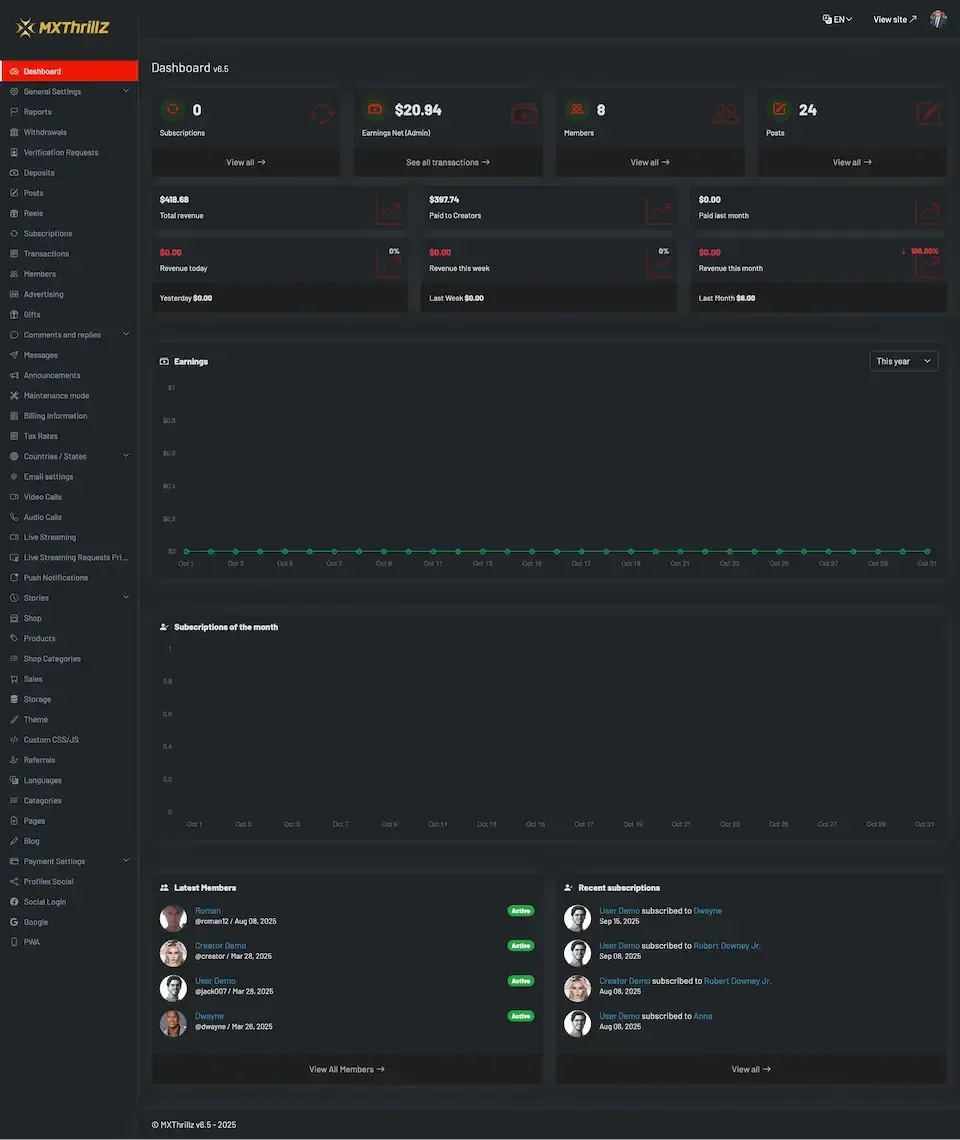
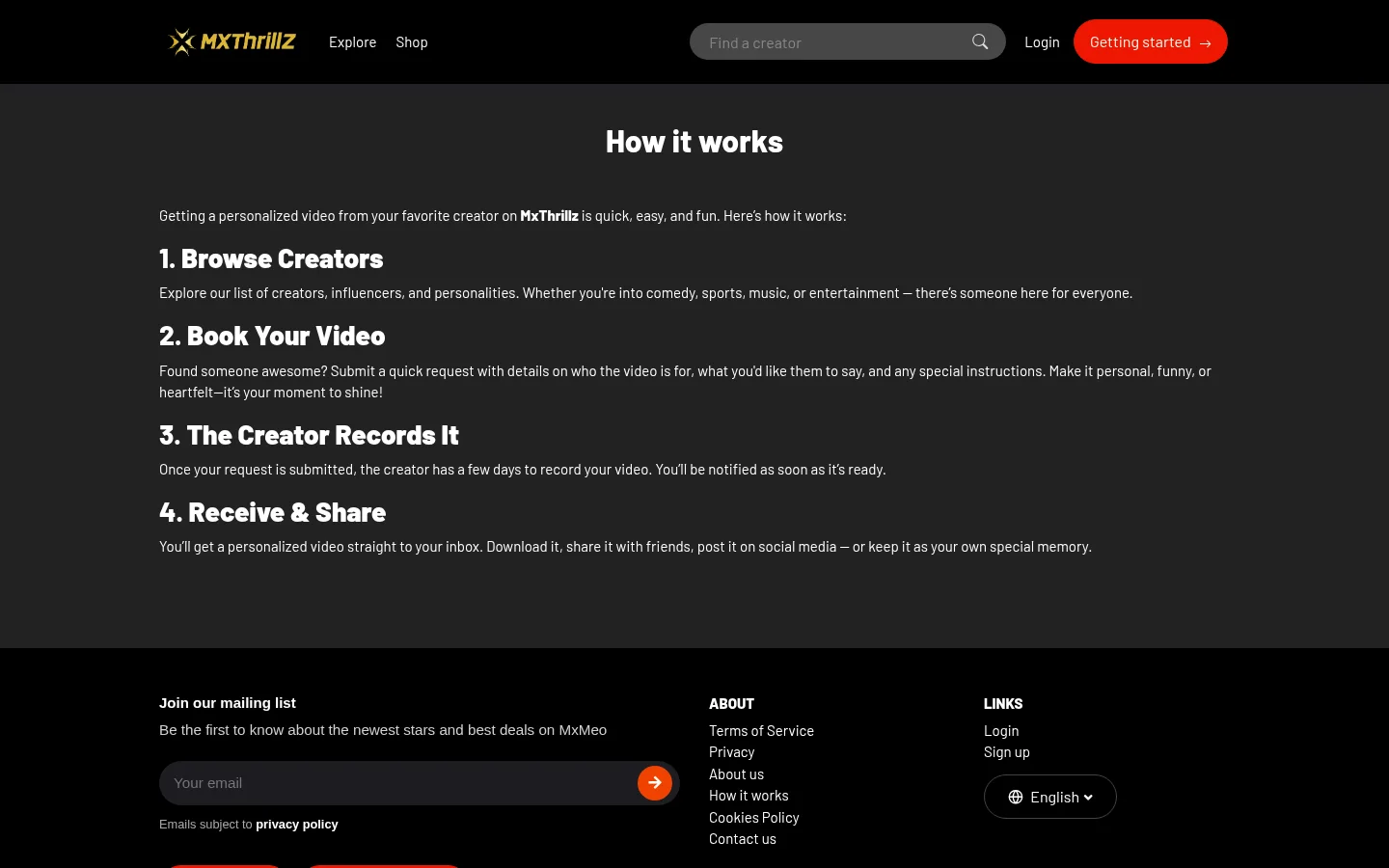
Real screens from the working product. Your platform ships rebranded with your name, logo and colors.
Web app 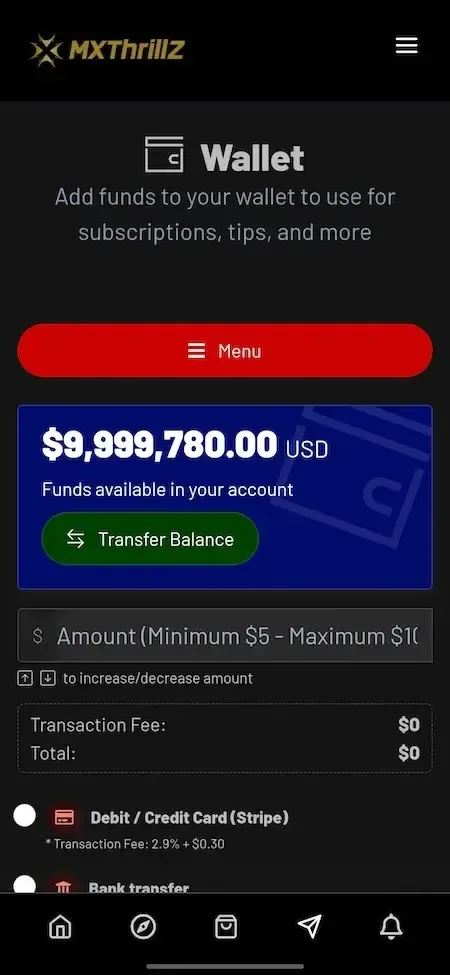
Fan app 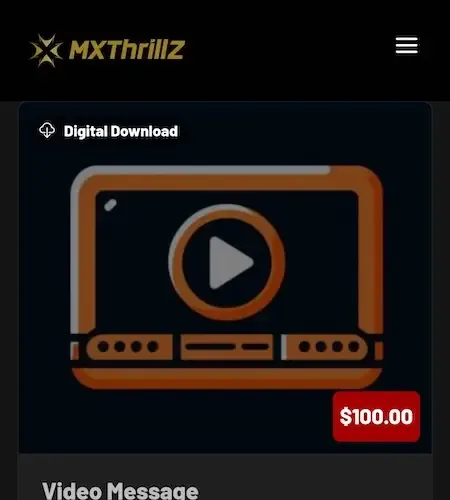
Creator studio 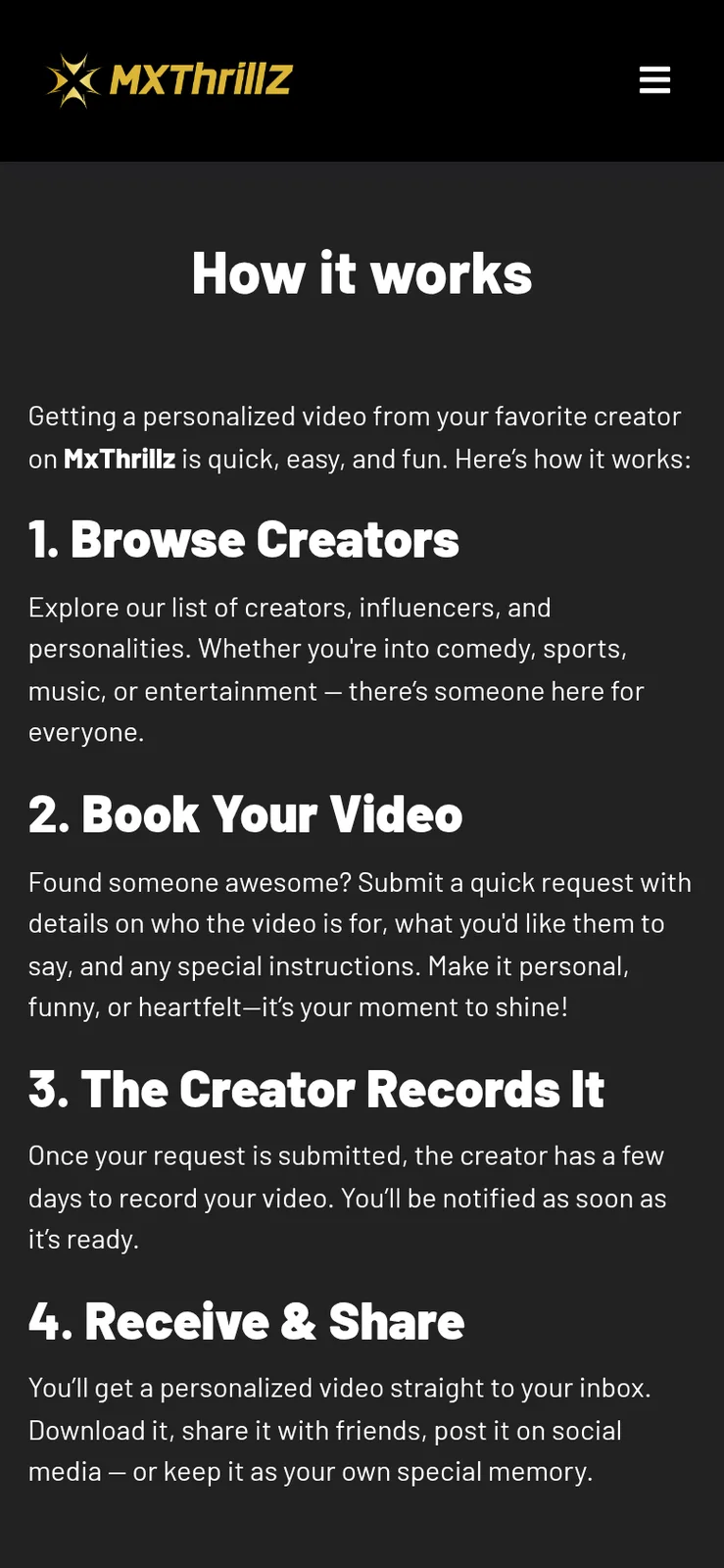
Web app 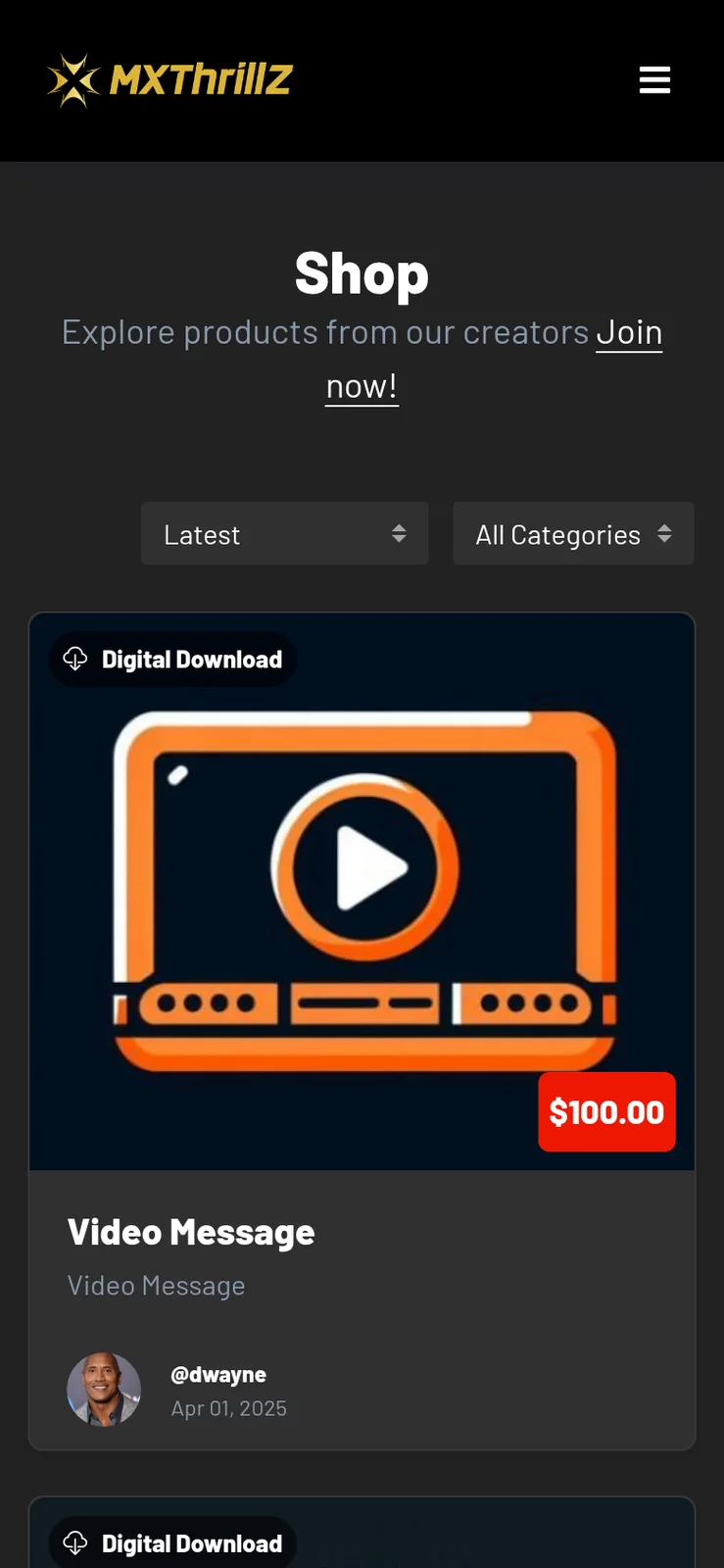
Web app
How the Thrillz model works
Thrillz is widely known as a service where fans request personalized video messages from celebrities, influencers and other public figures. The fan describes what they would like, the person records it and the fan receives the result. The service sits between the two sides, takes the payment and sets the terms for the people listed on it.
This platform lets you run an arrangement of that kind under your own name, and extends it to scheduled meetings and live sessions. We have no affiliation with the service and make no claims about its business or results. If you build on this product, your marketplace has your talent, your commission, your fans and your policies, running on servers you control.
Which lever to use at each stage of growth
A new platform needs different emphasis from an established one. The table suggests where to concentrate as your roster and audience mature, with a reason you can check against your own numbers.
| Stage | Lever to use | Why |
|---|---|---|
| Launch | Video requests with commission | The simplest product to explain, price and deliver |
| First roster | Featured talent and referrals | Early attention on the best names builds trust and first bookings |
| Growing | Virtual meetings and tiered pricing | Scheduled access earns more per booking than clips alone |
| Established | VIP memberships and business promotions | Recurring income and larger purchases from companies |
| Mature | Ticketed live sessions | One session serves many fans and lifts income per hour of talent time |
Three ways operators run a VIP access platform
The same software supports quite different businesses. These are the main shapes operators describe, each with its own priorities for configuration, talent terms and moderation.
The talent agency storefront
You represent actors, athletes or influencers and sell bookings with them under your own brand. The roster is closed and agreed with each person, so branding, featured talent and careful scheduling matter more than open applications. Your edge is knowing the talent personally and presenting them well to fans.
The meet-and-greet operator
You sell scheduled meetings and live sessions with public figures, often tied to events or fan clubs. Calendars, ticketing, reminders and support on the day matter most, and a smaller number of well-attended sessions can sustain the business. Your edge is reliable delivery on the day, so a strong support routine for events matters more than a wide roster of names.
The open marketplace
You accept applications from many public figures and creators, set one commission and let fans choose. Priority goes to verification, discovery and fair dispute handling, because the marketplace lives on the variety and reliability of its talent. Search and personalized suggestions help fans find a fit among many profiles, and quick approvals keep new names joining.
Mistakes that stall a VIP access platform
Most failures here come from decisions about people, schedules and terms rather than technology. These patterns appear repeatedly, and each can be avoided with a choice made before launch.
Overbooking the talent's available time
A name who is sold out of time disappoints fans and annoys the talent. Let talent set how much they offer, and keep scheduling realistic so a booked moment is one that will happen. A talent who feels overloaded cancels sessions, and each cancellation costs you a refund and a fan's trust.
No plan for no-shows
Sessions are missed by fans and by talent. Decide in advance what each side is owed, write the rule where fans see it before paying and apply it the same way each time. If a fan misses a slot, a rescheduling option may be fair, while a talent who misses one should trigger a refund, and both rules should be visible at booking.
Launching with too few names
A marketplace with a handful of unknown profiles gives fans no reason to visit. Recruit a small group of recognizable talent first, and open applications only when there is something worth finding. A fan who arrives and sees nobody they admire leaves quickly, however good the booking flow is.
Selling memberships with no benefits
A tier that promises access but delivers little leads to cancellations. Plan the events and interactions each tier unlocks before you sell it, and make sure talent have agreed to deliver them. Members who pay each period and see nothing new will cancel within a cycle or two, and they will tell others why.
Changing commission after talent sign up
Raising your share once talent depend on the income damages trust fast. Settle your terms before recruiting, publish them plainly and give plenty of notice of any later change. The names with the most alternatives are the ones you most want to keep, and a surprise increase is the quickest way to lose them.
Skipping talent verification
A fan paying for a specific person must trust the profile. Require a verification document, assign someone to check it and hold every applicant to the same standard before they accept a request. An impersonator who takes a few payments before being caught harms the reputation of every genuine name on the platform.
The first lever to switch on for your platform
Begin with video requests and a clear commission. They are the easiest product for a fan to understand and for talent to deliver, and they exercise the whole path from request to payout without needing a live schedule. Recruit a small set of recognizable names, set a delivery window you can keep and see how many fans return for a second booking.
Once requests are flowing, add virtual meetings, which bring calendars and higher prices, and then tiered pricing. Introduce memberships and ticketed live sessions when you have talent who will show up reliably and a support team ready for event days. Business promotions can follow, once your rules on permission and labeling are written. Adding each stream only when your operations can support it keeps promises to fans realistic.
Try the live Thrillz Clone demo
The demo is a live deployment of the VIP booking product, carrying demo branding where your own would appear. Sign in as a fan to see how a booking is made, switch to a talent account to see the queue that results, then open the admin address to look at roster, commission and disputes. The sample logins are public demo accounts.
-
Fan app
Open the Fan app demo- Login
user@demo.com- Password
User_321
Worth trying
- Open a talent profile and compare the interaction choices offered
- Look at how the booking and scheduling step presents
- Check the favorites, wishlist and showcase areas for fans
-
Talent app
Open the Talent app demo- Login
celeb@demo.com- Password
Celeb_321
Worth trying
- See how a new booking request reaches the talent
- Find where the price of each service is set
- Open the recording screen and the payout view
-
Fan and talent web panels
Open the Fan and talent web panels demoWorth trying
- Sign in with either demo account and compare web with app
- Follow a booking from talent page to payment
- See what the talent panel shows for requests and earnings
-
Admin panel
Open the Admin panel demoWorth trying
- Look for commission settings and talent application review
- Find refund requests, disputes and policy violations
- Open featured talent, campaigns and the analytics reports
Thrillz Clone business model FAQs
Should I start with meetings or with videos?
Most operators start with videos because they need no schedule and are simple to deliver, then add meetings once talent and support are ready. Both are in the product, so the order is your choice. Starting simply gives you data on demand before you commit talent calendars.
How should talent price a meeting?
Talent set their own prices, and we do not publish a recommended figure because the right level depends on the person and the market. A meeting usually costs more than a clip because it takes more time, and tiered pricing lets you differ by talent level.
Can a membership include live sessions?
Membership tiers can open special events and premium interactions, and live sessions can also be sold as paid tickets. How you combine them is your decision. Many operators include a session in a top tier, then sell further tickets separately to wider audiences.
How do I work with agents and managers?
Agents often want a say in what their clients sell and at what price. The ready-made build lets talent set prices and your admin approve them. If agencies need to manage several clients with their own permissions, we can set that up, with scope confirmed with us.
Can I run this for one region and language?
Yes. The platform supports multiple languages and currencies, and translation services are among its listed integrations. You still need gateways that operate in your market and policies written in the languages your fans and talent use, which are your responsibility.
Is it suitable for athletes and musicians?
Yes. Athletes, actors, musicians and influencers can all be listed, because talent are described by name, bio, category and pricing. What matters is that fans recognize them and that they can commit to the schedule they offer, whatever their field.
Explore the Thrillz Clone
The overview and its companion pages answer the main questions in turn. Pick the one you need next.
-
Thrillz Clone
The overview: live demo, screens, price and everything in the box.
Back to the overview -
Features
A VIP booking product sells appointments as much as clips, so its features are about calendars, schedules, tiers and reliable payouts.
See the full breakdown -
Development cost
The ready-made VIP booking platform is a single $2,199 purchase, with complete source code, two mobile apps, three web panels and deployment on your servers.
See exact pricing -
Development company
Choosing who builds a VIP booking platform is mostly about scheduling, payments and live delivery, because those are the places such products fail in public.
Compare options
→Start here
Tell us what you want to launch.
Share the platform and your market. You get a walkthrough of the live demo, the exact scope of what ships, and a fixed price in writing. First response in under 2 hours, Monday to Saturday, 10:00 to 19:00 IST.
Trademark and independence notice
This page uses the name Thrillz to describe a type of platform. The product sold here is separate software, built independently, and Thrillz has no part in it.
Why this name
"Thrillz clone" is industry shorthand that founders use when searching for software with a comparable business model. It names a category of product, not a copy of Thrillz.
Who built this
The platform is an original product designed and written by Miracuves. It contains no code, design, graphics or content originating from the Thrillz website or applications, and it ships under your own brand.
Trademarks
Thrillz and its logos are trademarks of their respective owner and are named here for reference only. GetFame is not affiliated with, sponsored by or endorsed by Thrillz. Rights holders can write to legal@miracuves.com.
Operator responsibility. The operator of a launched platform is responsible for legal compliance in the markets it serves. Nothing on this page is legal advice.Read the full disclaimer