Ready-made, one-time
$3,699
X Clone App
Live in 6 working days from kickoff
- Full source code
- White-label under your brand
- 60 days of technical support
- 1 year of free updates
- App publishing support

Paid-membership social network
A paid-membership network where verified accounts and creators earn.
An X-style paid social network, not a phone app cloner or a tool for running two accounts. This X clone script is built around the account as the product. Three server-enforced tiers, operator-reviewed verification badges, creator subscriptions and tips all run on one feed that also carries video, audio, polls and threads. You get the web app, a Flutter app, an operator console and the full source under your own brand.
| Product type | Paid-membership social network built around verified accounts and creator earnings |
|---|---|
| Platform price | $3,699 one time; we take 0% of what you earn |
| Launch time | 6 working days to a branded deployment |
| Membership model | Three tiers checked on the server: Free, Premium and Pro |
| Apps and panels | Next.js web app, 28-screen Flutter app, 15-page operator console |
| API | 64 handlers under /api/v1/ with one response envelope and cursor paging |
| Source code | Full source for every surface, with Firestore rules and indexes |
| Hosting | Your own Linux host and Firebase project |
| Mobile | Android build supplied; iOS build available |
| Support and updates | Support for 60 days, bugs fixed first through month six, a year of free updates |
An X clone is a ready-made public conversation network, designed to behave as people expect a modern short-post platform to behave and sold as a white label membership social network under your name. It is original software on Next.js, Flutter and Firebase. This configuration leads with membership: what a paid account unlocks, who gets verified and how creators are paid. In short, it is a ready-to-run X clone app aimed at operators who favor launching over building.
The same member record drives every surface. Tier, badge, account status, privacy preferences and counters are read through one REST API under /api/v1/, so a paid feature cannot be true on the website and false on the phone. A suspension takes effect in every client at once, because there is only one source of truth for the rule. Buyers comparing apps like X will find the familiar everyday surfaces here, and a platform like X serving a single community or region can grow from them.
The feed itself is complete. The composer accepts text, images, video, audio and GIFs, along with polls, quote posts and threads; timelines are divided between For You, Following and Bookmarks, and direct messages carry audio, reactions and read receipts. An ad desk and a developer API are in the build too, and you can leave them off until the network is large enough to need them. You launch it as your own X alternative. Ownership of the full X clone source code passes to you, so your team is free to extend it.
X is the name the Twitter network took on after a rebrand, so an X clone and a Twitter clone describe the same kind of software: a public timeline of short posts, replies, reposts and direct messages. What changed is the commercial reading of the product. Paid account tiers, a purchasable verification mark and creator payments moved closer to the center, so many buyers now ask what the account is worth rather than how big the audience is.
That is the lens this page takes. The ready-made platform behind it is the same single build in both cases, so nothing here is a separate product. Where the Twitter page leads with advertisers and developers, this one leads with the member: who pays, what a badge means, and how a creator earns inside a network you own and price yourself.
On a membership network the account is the product. A holder sees what their plan unlocks, whether they are verified, and who they follow, mute or block, and the same answer appears on the browser and on the phone.

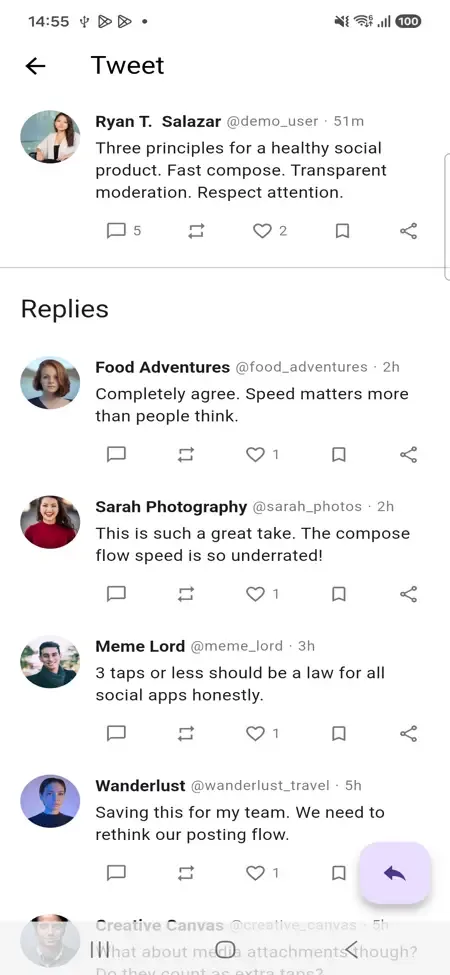

A creator on this network is paid by the people who follow them, not only by ad impressions. Subscribers and tips settle between members, and the badge on a profile tells followers the account passed a review.
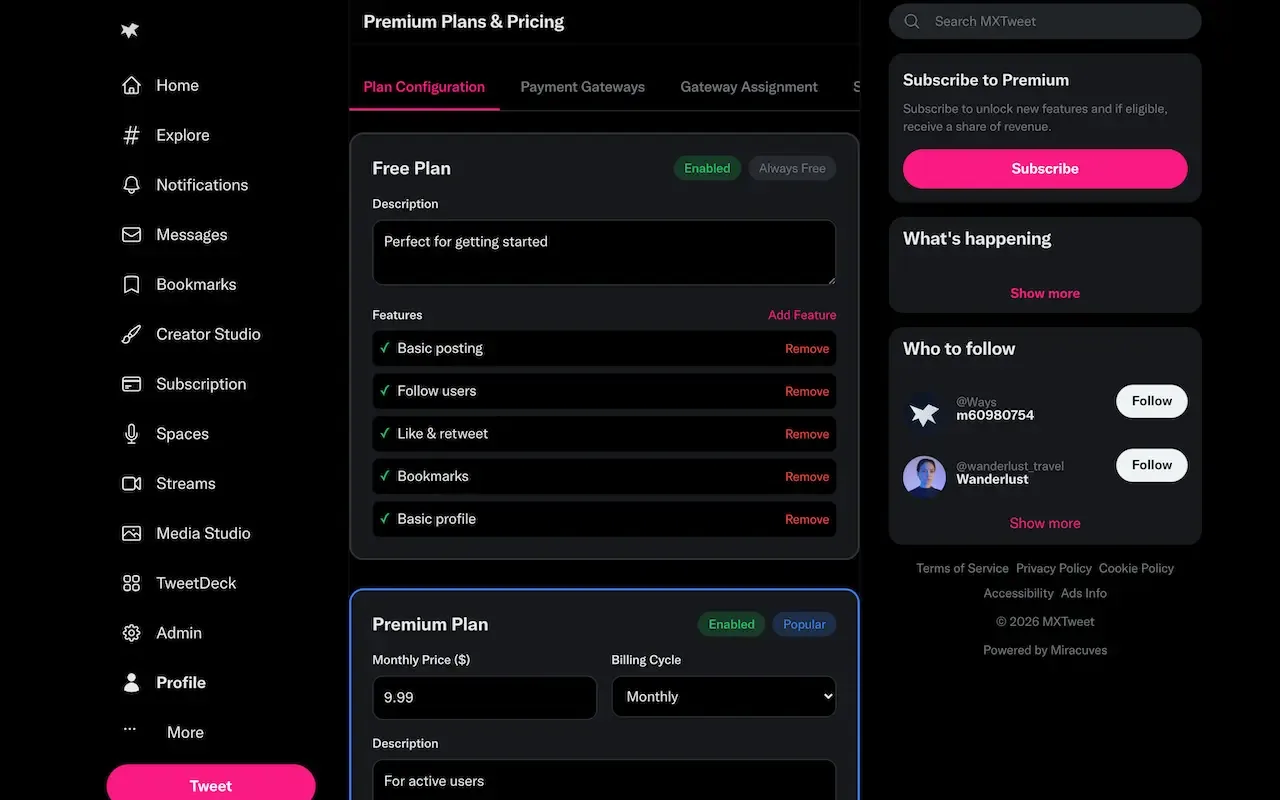
Operators decide what an account is worth. They set the plans, review who earns a badge, change account status with a reason attached and keep the audit trail that makes each decision defensible later.
Builders are the developers and integrators who extend the network, and the engineers who maintain it. They get one contract across three clients, scoped credentials for third parties and checks that live in the API.
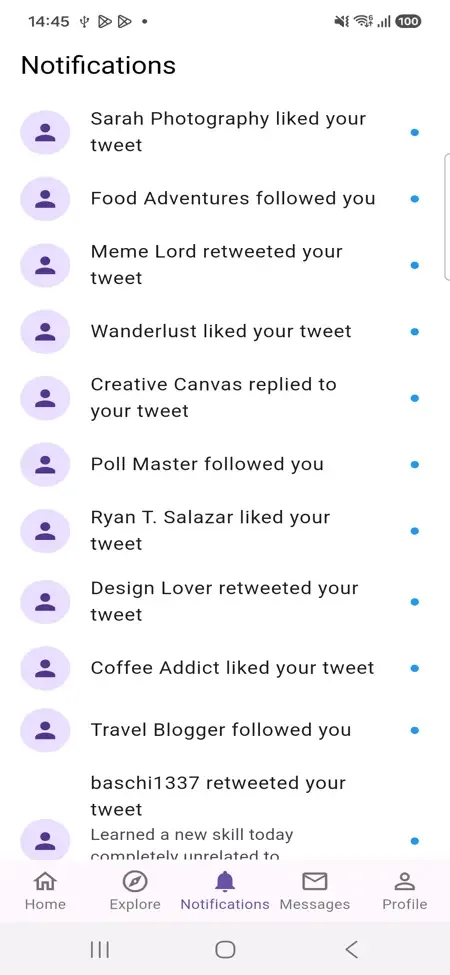
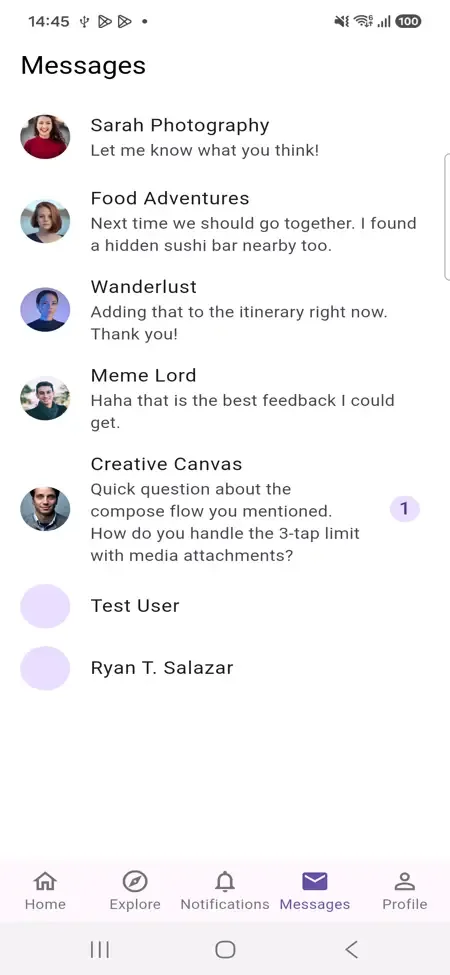
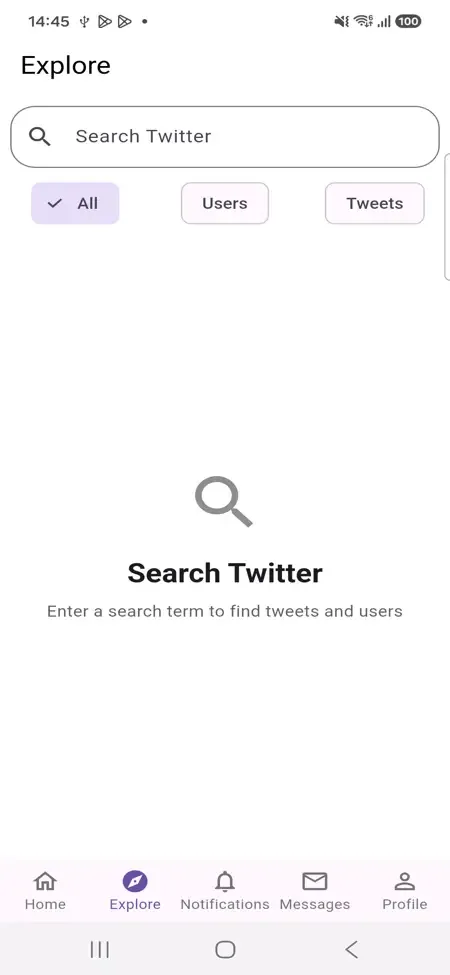
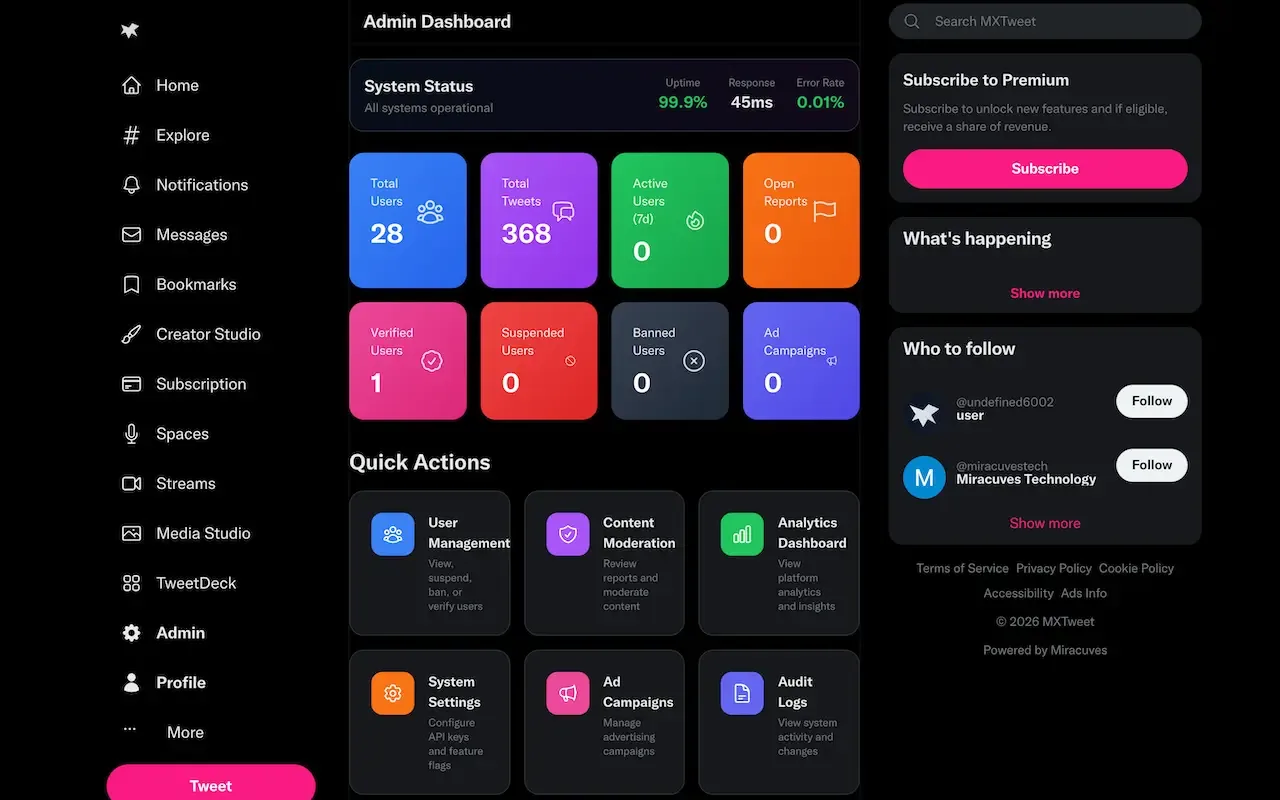
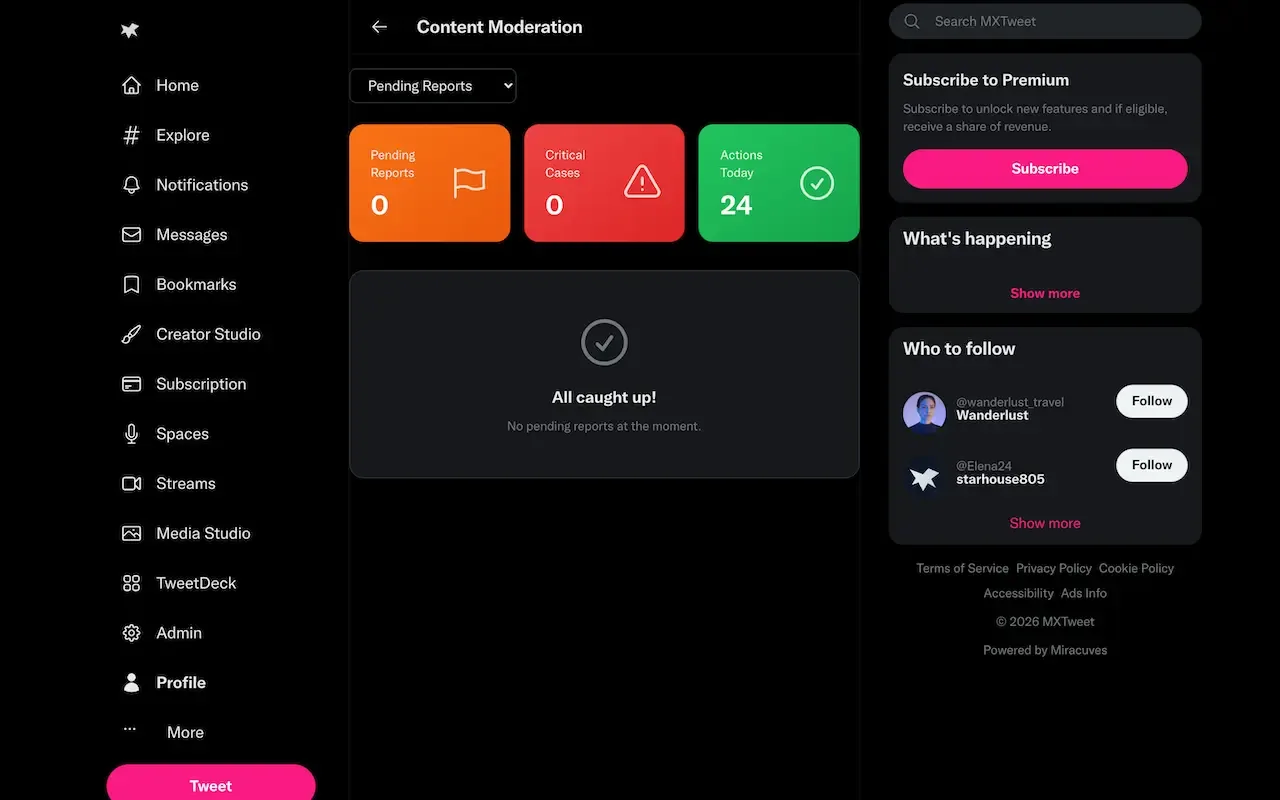


The demo is the shipped membership build running on live infrastructure under demo branding. The run worth doing is the account one: sign in, see what the account carries, then open the operator console and watch verification and account status from the side that grants them. A second member and an Android build use the same API.
demo@mxtweet.comDemo@123test@mxtweet.comTest@123admin@demo.comAdmin@123demo@mxtweet.comDemo@12350 features across 4 roles.
Every account starts here, so the network is open to join and the upgrade has to earn its place.
A paid step set to $9.99 as shipped, with its limits and perks enforced on the server.
The highest tier, $29.99 as shipped, aimed at members after every entitlement.
The tier lives on the member record, so the browser, the phone and the API all read the same answer.
Display name, bio, avatar and banner give each account a face, stored alongside its counters.
Timeline, notification and privacy choices, plus phone, email, timezone and language, sit on one record.
A visible mark on the profile that shows an operator reviewed the account and granted the badge.
An algorithmic timeline for discovery that the operator can tune and the member can choose.
A chronological timeline of followed accounts, for members who want order rather than ranking.
Saved posts collect in a timeline of their own with search, so keeping something is useful later.
From a single composer control you can post text and images, add video, audio or GIFs, and use polls, quotes, threads, scheduling and warnings.
Lists hold member ids and follows are records, which makes the social graph something you can query.
Members decide who they never see and who they merely quiet, and each choice is reversible.
Direct and group conversations show typing and read state, and carry audio messages and reactions.
Full-text search with saved queries and a notification stream for mentions, replies, follows and likes.
The creator record stores each subscriber id, so a paid following is something the platform can count and settle.
A member can tip from any post, which asks nothing of someone who arrived yesterday.
The same tip works from a profile page, so fans can support a creator without picking a post.
Creators publish video and audio next to text on the same feed, with no separate media area.
A timed poll turns a question into engagement and gives a creator a reason to post again.
Longer ideas run as threaded posts, and quote posts let creators respond to each other in public.
Posts can be queued to publish later, which lets a creator plan a week in one sitting.
A creator can flag a post so sensitive material is hidden behind a notice until a reader opts in.
Creators gather peers or sources into lists and read each as its own focused timeline.
A verified mark tells followers the account passed review, which supports a subscription ask.
Tags are extracted when a post is written and feed trending views that surface a creator to strangers.
Likes, replies and new follows reach creators in a stream they can page through by cursor.
Requests wait in a queue where an operator approves or declines and writes down why.
Each badge links to the administrator and reason behind it, so the signal stays credible.
Suspend, ban and restore actions carry a reason that an appeal can be measured against.
Member reports arrive as records with resolution actions attached to them.
Content can be taken out of view and put back, which suits borderline cases better than deletion.
Removal and ban sit beside the softer actions so a moderator can respond in proportion.
Administrator, action, target and reason are stored for every privileged operation.
Every X clone sign-in keeps its IP, user agent, device, browser, location, time and outcome.
Operators list accounts, open a detail page and change status without touching the database.
Activity and growth numbers help the people who must report on the network.
Whoever manages ad inventory can see each campaign's type, budget, spend and targeting.
Operators see which OAuth applications and API keys exist and what limits they carry.
The console has its own authentication path, apart from member sessions.
Plan checks run in the API before a gated action executes, never only in the interface.
Plan prices come from settings, so repricing is a commercial choice and not a deployment.
Middleware checks the Firebase token and the account's standing, and only then lets a request reach a handler.
Writes confirm the caller owns the record, which blocks a client from editing someone else content.
External apps register by supplying a client id, a secret, a redirect URI and a restricted list of scopes.
API keys are SHA-256 hashed and carry their own rate limits per user.
Firestore documents map to typed structures, which removes a class of runtime mistakes.
Timeline, search and notification queries get their indexes from files that travel and deploy with the build.
One response shape and cursor pagination give three clients a single contract to follow.
Schema and ERD references, an API collection, a security handbook and VAPT reference material.
Members can register using an email and password or Google sign-in, and login history is logged starting with the first session.
The member starts on Free and can move to Premium or Pro. The server checks the tier before every gated action.
The composer, three timelines, follows, lists and direct messages work from day one on web and mobile.
Creators collect subscriptions and tips, and members can request a badge that an operator reviews.
Moderators work the report queue and badge requests, and each decision lands in the audit log with its reason.
| Revenue model | How it works | Who pays | How you earn |
|---|---|---|---|
| Tips | One-off payments on a post or profile that settle between two members and ask for no commitment. | Member | A platform share of each tip, usually the first revenue on a young network |
| Premium plan | A paid tier with entitlements enforced by the API and priced from configuration. | Member | Recurring plan revenue that grows with engaged members |
| Pro plan | A tier above Premium for members who need the complete set of entitlements. | Member | Higher recurring revenue from your most committed accounts |
| Creator subscriptions | Followers pay a creator for a paid following, held as subscriber ids on the creator record. | Fan | A share of transactions you do not have to fund |
| Verification | A badge awarded after review, which you may include in a tier or sell separately. | Member | Upgrades from members who want the badge, if you tie it to a plan |
| Ad campaigns | Promoted post, banner and sponsored campaigns reviewed by an operator before they run. | Advertiser | Campaign spend once attention is measurable |
| Developer access | Scoped applications and rate-limited keys offered to products built on your network. | Developer | Access fees later in the life of the network |
Membership revenue depends on money moving cleanly between people already signed in. A member pays for a plan, a fan pays a creator, a sender tips a post, and the platform keeps its share of each. The build ships with a Stripe setup referenced for these flows and checks entitlements on the server after payment. Creator payout operations, more processors and local rails are available as tailored work, scoped against the accounts you hold.
| Gateway | What it covers |
|---|---|
| Card | |
| Stripe | Referenced in the build for plans, tips and creator subscriptions |
| Other | |
| Additional processors | Integrated by us against merchant accounts in your name |
| Regional | |
| Local payment rails | Set up per market, together with multi-currency collection where needed |
Verification here is an operator decision with a reason on record, not an automated flag. That makes it possible to publish what earns a badge, to refuse requests consistently and to explain a refusal. Decide your criteria before launch, write them where members can read them, and keep the staffing to apply them. A badge that looks purchasable loses its value quickly.
Plan checks run on the server before a gated action executes, so a modified app cannot unlock a Premium feature by editing the interface. That protects revenue and keeps the rules identical on web and mobile. Test each paid entitlement with a free account during your acceptance walkthrough, because those checks are the heart of a membership network.
Suspend, ban and restore actions record the reason, and the audit log names the administrator who acted. Combined with login history that shows IP, device, browser and location, support can answer a dispute with facts. You still own the policy, the staffing and the appeal process, and the console gives those a place to operate.
Firebase Authentication covers email, password and Google sign-in, with token verification in middleware. Operator accounts use a separate sign-in path, so a compromised member session does not reach the console. The member record carries two-factor fields, yet requiring multi-factor sign-in for staff is configuration we complete with you rather than a default.
The queue, the resolution actions and the audit trail ship included. Automated classification of abusive text or images is an integration you can add in front of the queue. Whatever you automate, someone accountable should review appeals, since a membership network that charges for access owes members a fair hearing.
You hold the processor accounts, so chargeback handling, refund policy and tax treatment of creator earnings are your responsibility. The build records what happened, and your finance process decides what to do about it. Take advice on how paid memberships and creator payouts are treated in your market before you set prices.
Privacy preferences and login records are included. Data retention and consumer rules for paid memberships in your market are the operator's responsibility.
| Layer | Built with | Hosting note |
|---|---|---|
| Web application | TypeScript 4.7 and React 18.2 on Next.js, with SWR | Next.js application and 64 API handlers on a Linux host, managed by PM2.Twelve Cloud Functions for work that happens outside a member request. |
| API layer | Next.js handlers for /api/v1/, validated by Zod | |
| Data | Firebase Firestore, typed converters, composite indexes | Firebase Firestore with security rules, typed converters and composite indexes in your own project. |
| Mobile app | Flutter (Android build supplied, iOS build available) | A Flutter app that talks to the same API; the Android build is supplied, and an iOS build can be added. |
| Identity | Firebase Authentication including Google sign-in, plus OAuth 2.0 and hashed API keys | |
| Hosting | PM2 on Linux with twelve Cloud Functions | |
| Sign-in | Firebase Authentication with email, password and Google sign-in, plus a separate operator path. | |
| Secrets and settings | Environment-driven configuration, with a managed secret store advised for production. | |
Deployment is on infrastructure you own. A Linux host runs the web application and API under PM2, and Firebase services in your project hold data and identity. After handover nothing in the running system calls back to us, so upgrades and hosting choices are yours.
Buyers often wonder whether these are two products. They are one platform described from two directions. The table shows what each reading emphasizes and where they are identical, so you can pick the page that matches your plan and stop worrying about the name.
| Question | Twitter-clone reading | X-clone reading |
|---|---|---|
| What does the name refer to? | The original microblogging network as most people knew it | The same network after its rename, with paid accounts in the foreground |
| Where does money start? | Ads and developer access once attention exists | Member tiers, then creator subscriptions and tips |
| What leads the build? | The ad desk and the scoped API platform | The membership layer and the verification queue |
| What is a badge? | A review outcome shown on a profile | A product you can define, price and defend |
| Who is the typical buyer? | Operators selling reach to sponsors and builders | Operators charging members for belonging |
| What is identical? | Composer, timelines, messaging, moderation, console, apps, price and source ownership | Exactly the same code and the same deployment |
| How do I choose? | Pick it if advertisers and developers are your plan | Pick it if paying members are your plan |
The platform price covers software and deployment. A network that charges members also generates running costs that sit outside it. Listing them early prevents unpleasant surprises and makes the pricing of your tiers more honest, because each tier has to cover some of what follows.
| Running cost | Who pays | When it appears |
|---|---|---|
| Payment processing fees | You, or passed on in tier prices | From the first paid transaction |
| Hosting and database usage | You | Grows with members and activity |
| Media storage and delivery | You | Rises sharply once video or audio takes hold |
| Moderation and support staff | You | Before registration opens widely |
| Identity or verification services | You, if reviewers use outside checks | When badges require documents |
| Store developer accounts | You | At app submission |
| Payout operations and accounting | You, and creators indirectly | Once creators expect statements |
| Tax and invoicing advice | You | Before charging across borders |
When accounts cost money, expectations rise. Someone who pays for a tier assumes a faster response, a clearer explanation when something is removed, and a fair route to appeal. That shifts moderation from a clean-up chore into a customer-facing service, and the quality of your records becomes part of what members are paying for.
The shipped console is shaped for that. Status changes carry a written reason, so an appeal has something to examine, and privileged actions write an audit entry naming the administrator and the target. Refund, billing and dispute rules are separate decisions that depend on your processor and your jurisdiction, so write them down before you charge anyone.
A second effect is on verification. If a badge can be bought or earned, it must mean something consistent. Reviewers need written criteria, a reason on every decision, and a way to revoke. Without that discipline a badge becomes decoration, and members who paid for it will notice before you do.
Ready-made, one-time
$3,699
Live in 6 working days from kickoff
Dedicated article formats are available for publishers, tailored to your plan.
Confirm with usRunning payouts to creators across currencies, including processor setup, payout schedules and statements.
Confirm with usA live audio surface for creators and subscribers, built on the spaces collection already defined in the rules.
Confirm with usAdditional card, wallet or regional processors wired to plans, tips and subscriptions.
Confirm with usAutomated text and image classifiers screen items before they reach the human report queue.
Confirm with usMultiple renditions and adaptive delivery for video, which matters once creators post video freely.
Confirm with usProducing and signing the iOS app and submitting it under your Apple developer account.
Confirm with usSplitting the operator role so moderators, finance and support each see only their own screens.
Confirm with usInterface translation for more markets, including right-to-left layouts, with moderation rules set per region.
Confirm with usSAML or OIDC login for a company running the network beside its existing identity system.
Confirm with usCost articles list basic, advanced and premium feature tiers. This table lists the membership features people expect from a paid-account network and says plainly which ship ready and which we set up around your plan.
A free tier and two paid ones, with entitlements resolved on the server.
Plan names, prices and gating are operator decisions, not a deployment.
Requests are approved by an administrator with a reason recorded.
Badge state is read from the member record by web and mobile.
Subscribers are held on the creator record as a first-class relationship.
One-off payments between members that need no commitment.
Text, media, audio, polls, quotes, threads, scheduling and content warnings.
Three named timelines rather than a single opaque ranking.
Audio, reactions, read receipts and live typing indicators.
Suspend, ban and restore each carry a recorded reason for appeals.
Five graded actions and an entry naming who did what and why.
Present in the build, worth switching on once attention exists to sell.
Scoped OAuth apps and rate-limited, hashed keys for third parties.
Shared API; the operator console stays on the web by design.
Connects tiers, subscriptions and tips to your processor, including local rails, and we configure it alongside you.
Settlement schedules, statements and thresholds layered on top of the records. We set them up for you.
Automated screening of text and images before the human queue, configured by us.
Transcoding, thumbnails and CDN distribution, often the largest cost. We set it up for you.
The live surface is built by us over the data placeholder in place now.
Cohort retention, tier conversion funnels and creator earnings reports. We set them up for you.
The Flutter code supports it; we handle signing and review submission.
A dedicated article format that we tailor to your plan, with scope confirmed with us.
The fields exist on the member record; we finish enforcement as configuration work with you.
Membership networks cost more to get right than they look, and the reason is the commercial layer. Anyone can ship a feed. What takes effort is a plan system whose limits cannot be bypassed, a verification workflow that members trust, creator earnings that settle correctly and an operator console that records who decided what. Those pieces interact, so a custom build tends to discover them one rewrite at a time. A ready-made platform front-loads them, and your money goes toward audience and operations.
| Factor | Scratch build | SaaS | GetFame |
|---|---|---|---|
| Plan and entitlement system | Often rewritten once real upgrades expose gaps | Fixed by the vendor and rarely yours to change | Three tiers checked on the server, prices from configuration |
| Verification workflow | A queue, a record and criteria all need designing | Rules belong to the vendor | Operator review with a recorded reason included |
| Creator earnings | Payout logic is a project of its own | Commission and timing set by the vendor | Subscriptions and tips included; payout operations scoped |
| Time to first paying member | Months of build before billing starts | Fast to start, constrained afterward | 6 working days to a branded deployment |
| Control of pricing | Full control, at engineering cost | Limited by plan terms | Reprice tiers as a decision, not a release |
| Fees on your revenue | None, apart from payment processors | Often a share or a rising subscription | Zero revenue share, zero per-seat charges |
| Source and exit | You own the code you commissioned | You cannot take the platform with you | Complete source transferred at handover |
Running costs. The $3,699 covers the platform and its deployment. Running costs are separate: Firebase usage grows with members, you provide the Linux host, processors charge per transaction, and tips are small enough that fixed fees matter. Add moderators, support staff, store accounts and any media pipeline to your budget. Price your plans so processor fees and these costs leave a margin you are comfortable with.
The feed is the easy half of a paid-account network. The harder half decides who may do what, who is trusted, and who gets paid. Here is how each part compares when you write it yourself against starting from a finished membership layer.
Build it yourselfPlan checks that hold on the server for every gated action, easily rewritten after launch.
Ready-madePlan state on the member record with checks run before a gated action executes.
Build it yourselfPrices and perks hard-coded into the app, so each change needs a release.
Ready-madeThree tiers priced from configuration rather than code.
Build it yourselfA queue, reviewer notes and a way to show the result consistently across clients.
Ready-madeA review queue, a recorded reason and a badge every client reads the same way.
Build it yourselfModeling who subscribes to whom so counts and settlements match.
Ready-madeSubscriber ids on the creator record and tip records between members.
Build it yourselfSchedules, statements, minimum thresholds and disputes; a finance-grade workstream.
Ready-madeRecords to settle against; we set up payout operations on top.
Build it yourselfSuspending a paying member without leaving billing, access and records inconsistent.
Ready-madeSuspend, ban and restore with a reason stored for appeals.
Build it yourselfQueues, graded actions and audit records that survive a year of disputes.
Ready-madeA report queue, five actions and an audit entry on every resolution.
Build it yourselfCapturing device, location and outcome for compromise investigations.
Ready-madeLogin history with device, browser, location, timestamp and result.
Build it yourselfKeeping paid features identical between the website and the app.
Ready-madeOne REST contract serving web, mobile and console.
X is widely associated with paid accounts and verification badges on a public timeline. The table shows how a self-run membership network differs in operating model. It makes no claim about any company's size or business, and this platform is independent of X.
| Aspect | The X model | This platform |
|---|---|---|
| What a paid account means | Defined and priced by the platform owner | You define the tiers, their prices and their perks |
| Who grants verification | The platform owner sets the criteria | Your operators review and grant badges with a reason |
| Creator earnings | Programs and terms are set by the owner | You set the share on subscriptions and tips |
| Long-form posts | Offered in the owner product | Available, tailored to your plan |
| Where the account lives | On the owner infrastructure | In a Firebase project and host you control |
| Changing the rules | The owner decides and announces | You decide, with a server-side change and no release |
| Audience | An enormous existing audience | No audience comes with the software; you bring the community |
Run a network where membership itself is the product, with three tiers and a badge to sell from day one.
Let creators earn from subscriptions and tips in week one, with the operator taking a share.
Fund reader conversation through membership instead of an ad market whose prices you do not set.
Use reviewed verification to mark qualified members and keep the audit trail that goes with it.
Open in a market with local language, local payment rails and moderation policy you control.
Deploy the same codebase for several clients under separate brands, each with its own tiers and badge rules.
Membership-first networks work when the audience already has a reason to pay for belonging. These are the shapes we see most often, with the first configuration choices that make the model credible from the first day.
A public square where membership is the product, for a profession or a hobby with committed members. Name the three tiers clearly, decide what the paid ones unlock, and make the free tier good enough to attract people. Open registration only after the report queue and house rules are in place.
A network where a badge signals a checked credential, such as a licensed practitioner or an accredited trainer. Write down the criteria, train reviewers on the queue, and keep the reason on every decision. Attach the badge to a tier or price it separately, but never sell it without review.
A professional or trade body running a members-only square. Verified identity, account status control and an audit trail matter more than reach. Consider enterprise sign-on later, and keep the first rollout invitation-only so reviewers can learn the process.
A group of writers, artists or streamers who share one home and one billing relationship. Tips arrive first, subscriptions once regulars exist. Agree the operator share with the first creators before launch, and plan payout operations early because creators ask about earnings reports quickly.
A media group funding conversation through paid reader accounts instead of an ad market it does not control. The free tier shows the discussion, the paid tier unlocks participation or perks. Moderation policy is a brand decision, so write it before opening the doors.
A launch in a market where incumbents are weak on language, payments or policy. Tier pricing, billing and moderation guidance are written for the region. Wire local payment rails before promoting paid tiers, and plan localization so the interface feels native.
If you want a paid-account network, you have more options than a clone, from open networks to a bare X clone script with no support behind it. The ones below solve different problems. Compare them by the thing you are really after: owning pricing, joining an open network, or simply charging for access to a private space.
Open-source federated network
Communities that value independence from any single company and are happy to run a server.
Paid tiers and verification are not its core model, and rules are shared across servers.
Open protocol and hosted app
Anyone seeking identity they can carry between services and tailored feeds on an open protocol.
You adopt a protocol rather than own a closed network with your own tiers.
Open-source federated network
Teams that want a customizable server with a lively community around it.
Self-run, with no vendor and no built-in membership business.
Hosted membership services such as Circle or Mighty Networks
Creators who want paid access and courses without running software.
You rent the platform and its rules, and the experience is a community rather than a public timeline.
Custom build on a managed backend
Engineering teams with specific requirements and time to build them.
Entitlements, moderation and audit trails are yours to design and maintain.
A white-label X clone suits you when you want to set the price, define what a badge means and keep what members pay, while launching quickly on a mainstream stack. You own the source, so nobody upstream can reprice your tiers. It is not the right choice if you need federation, or if you would rather rent a finished hosted service and avoid running anything yourself.
The common mistake is to hold back features from the free plan until it feels crippled. Members then pay to remove a frustration, which is a weak reason that caps what a tier can ever be worth. Keep Free complete enough that people stay and invite others, then make Premium a clear improvement in something they already do, such as longer posts, richer media or more control over their feed.
Give each tier a short, concrete promise. If Premium and Pro differ by a list of small perks nobody can remember, members will not choose between them. Pick two or three entitlements per step and make the jump obvious. Because plan checks run on the server, you can adjust perks after launch and watch how upgrades respond without shipping a release.
Start with one paid tier, not three, if your audience is small. A single clear offer is easier to explain and easier to measure. Add the higher tier when a visible group of members keeps asking for more. The shipped configuration includes Free, Premium and Pro so the structure is ready, but switching on only what you can justify is a sound way to begin.
A badge is a promise to followers that the account is who it claims to be, or is credible in some defined way. Write that promise down before you open requests, decide what evidence you need and publish the standard. If members cannot tell why one account was approved and another refused, the badge stops meaning anything, whatever you charge for it.
Choose between bundling the badge into a paid tier and reviewing it separately. Bundling is simple and raises the value of upgrading, but it risks the badge looking purchasable. Separate review keeps the signal cleaner and gives you something to say about quality. Either way, the console records who granted each badge and why, so you can audit your own consistency over time.
Staff the queue and set expectations about response time. Requests that sit for weeks create resentment among the creators you most want to keep. Decide how revocation works if an account breaks your rules, and apply it evenly. Consistency matters more than strictness here, and the audit log gives you the evidence to be consistent.
Creators join where they expect to be paid, but they will not move for a promise alone. Begin with those who hold a small, loyal following elsewhere and have a reason to want a home of their own, such as teachers, niche commentators, musicians or specialists. Offer them something concrete: a founding badge, a favorable share on early subscriptions and direct access to you for feedback.
Make the first earning easy. Tips work from day one because they need no subscription decision from a follower. Encourage creators to mention their profile to their existing audience with a clear reason to follow, such as exclusive posts or early access. Watch which creators generate subscriptions and talk to them weekly, since they will show you what to fix.
Be careful with the share you take. A rate that looks generous on paper loses its appeal if payouts are slow or unclear. Decide your payout process before you recruit, because operating payouts across currencies takes its own setup, which we can do with you. Tell creators exactly when money arrives and what fees apply, and keep that promise even when volume is small.
Opening advertising too early is the most common error. An ad desk without measurable attention yields little money and teaches advertisers that your network is not worth buying. Let membership revenue fund the early months, and open campaigns when you can describe your audience with confidence. The ad system is already in the build, so waiting costs you nothing but patience.
Another mistake is neglecting moderation because the network is small. Paid members expect a safe, orderly place, and a single unchecked abuse incident can cost more goodwill than a month of growth builds. Staff the report queue from the first day, write your rules plainly and use the five resolution actions in proportion, reserving bans for serious cases.
Finally, do not promise members features before they are live. Long-form article posts, live audio rooms and payout operations are things we set up, and they need planning. Tell members what exists, ship the rest in a sensible order and be honest when something is on the way. Trust is the real product on a membership network, and over-promising spends it quickly.
Release notes from Miracuves, our parent company.
Miracuves reports 4.8 out of 5 from 88 reviews for its X Clone App. View rating source on Miracuves.
v2026.1Sep 2026
It is the same underlying product, deployed the same way at the same price, presented around membership instead of advertising. This page leads with paid tiers, reviewed verification, creator subscriptions and tips. The ad desk and developer API remain in the build, so you can enable them later. People search under both names and want a different emphasis, so if your plan starts with an ad sales team or outside developers, the Twitter clone page is the better frame.
$3,699 is a single payment for the ready-made platform, with no per-seat fees and no revenue share. Deploying it under your brand takes 6 working days. Additions like new payment rails, automated moderation or an iOS build are available, taking roughly 2 to 8 weeks according to the size of the job, with the details written down before work starts.
Video, audio, GIFs, images, polls, quote posts and threads all publish from one composer into the same timelines. A dedicated long-form article format is available too. We tailor it to your plan, and we will give you a timeline once we see how you want it to read.
Members start on Free and can move to Premium at $9.99 or Pro at $29.99 in the build. Before any gated action runs, the server confirms the member's plan. Verification is a request that an operator approves or declines from the console, with the reason stored. You can price both however you like.
Through creator subscriptions and tips. Subscriber ids sit on the creator record, tips can be sent from a post or profile, and the operator keeps the share you set on every transaction. Moving money out to creators on a schedule, with statements, minimum thresholds and several currencies, is a payout operations layer we set up against your processor accounts, since the build references Stripe only. Settle your payout rhythm and legal setup before recruiting creators, because they will ask how and when almost at once.
Yes, building a platform around a comparable model is legal, but you may not use X's name, logo, content or code. The platform is independent software that contains no code, design, graphics or content from X and has no affiliation with them. Everything launches under your own name, logo and colors. The disclaimer page lists the operator's responsibilities.
A Flutter app with 28 screens covering the core social experience on the same REST API as the web app, so a tier change lands on the phone and the browser together. The Android build comes with the package. The iOS build and store submission are also available from us, with the scope confirmed first.
An audience stays with you, since software cannot supply one. Beyond that, we can configure advertiser analytics, enterprise SSO, payment processor wiring, a CDN and video transcoding pipeline and automated moderation to suit your plan. Two-factor enforcement and a managed secrets store are finished with you during the deployment phase itself.
Pick according to what you need to operate. An open source X clone is free to download and suits a learning project or hobby network, although you build and secure the moderation, payments and operations on your own. A ready-made white label script comes with those parts plus the full source code and support, and launches in 6 working days, which fits a business.
The price you pay includes 60 days of engineer support, a six-month stretch where your bug reports go to the front, and no-charge updates through year one. Replies arrive in under 2 hours, and our people are at their desks from 10:00 to 19:00 IST, six days out of seven. Our support applies to what we shipped, and we are glad to review the approach for code your team writes on top.
Operating a paid social network is lawful in many markets, but you are responsible for the rules that apply to you. That includes terms of service, privacy notices, consumer rules for subscriptions, content policy and tax treatment of creator earnings. What we provide is moderation and audit tooling rather than legal advice, so talk to local counsel before paid plans go live.
Yes. Tier names, prices and the entitlements attached to each are configuration, and the API checks them on the server. You can start with one paid tier, rename Premium and Pro to suit your brand and adjust perks after launch without a deployment. Test each gated feature after any change.
The base code is not exclusive. This is a ready-made platform licensed to many operators rather than a one-off commission. What belongs to you alone is the deployment under your brand, your member data, your tier and badge configuration and any custom code added for you. If you need the base code itself to be exclusive, raise that in writing before you sign.
Stripe is referenced in the shipped build. Collecting in several currencies or through local rails depends on your processor setup and is integration work on accounts you hold. We scope it against your target markets, and quote it in writing before any work begins.
Yes, we can add one. The composer already covers text, images, video, audio, GIFs, polls, quotes, threads, scheduling and content warnings. We tailor a dedicated article format if your community publishes longer pieces, with scope confirmed with us.
The Flutter app covers 28 screens on the same API and matches the web experience for the core social features. The operator console is a web surface and is not duplicated in the app, on purpose, because moderation and verification need room for context. Members get the same plan entitlements on both.
The platform costs $3,699 once, and there is neither a revenue share nor a per-seat fee. You pay for your own hosting, Firebase usage, processor fees and staff. Any extras we set up, such as payout operations or long-form posts, are confirmed in writing before work starts, so nothing accrues quietly.
No. Some phone utilities use a similar name for copying an app so two logins run side by side on one device. This product is a social network in the style of X, with paid tiers, reviewed badges and creator pay, launched under your own brand on the web, on Android and through an operator console.
Payment processing fees, hosting and database usage, media delivery, moderation and support staff, store developer accounts, payout operations and tax advice. None are in the platform price, because that covers software and deployment. Media delivery tends to be the largest once video appears, so decide early whether to allow it and budget for the pipeline before you promote it.
You can, and for some goals it is the better choice, particularly if you want to join a federated network and run only a server. The trade is that paid tiers, verification workflow and operator-owned pricing are not its central focus. If your plan depends on charging members under your own rules, a closed branded platform fits more naturally.
That is your decision. The platform ships three tiers and checks entitlements on the server, so what each tier includes is configuration rather than code. Operators commonly gate extras such as verification, additional post length or visibility perks, but the sources do not fix a list. Decide the perks with your first members and test them before launch.
The badge is a visible record of operator review, stored on the member record that every client reads, so reach rules can be built around it. Whether the For You timeline favors verified accounts is a ranking decision for you rather than a default setting, and changing ranking beyond configuration is tailored work scoped with you before it starts. Be open with members about whatever you choose, since hidden advantages tend to erode trust.
The platform makes it technically possible, because a badge is an operator decision with a record behind it. Whether it is wise or lawful in your market depends on how you describe it and what checks stand behind it. Avoid implying identity checks you do not perform, and take local advice before launch.
That depends on the payment processor you connect. The build references one processor and we wire others, including local rails, as integration work. Pricing in local currency also needs tier prices set for that market and tax handling checked. If you are launching regionally, start that conversation before you finalize tier prices.
Yes, with some planning. Account status control, a recorded reason on every decision and an audit trail suit a members-only square. You would likely keep registration closed or approved, and add enterprise sign-on if the association has an identity provider. That sign-on is available, and our team can configure it once the scope is agreed.
A hosted service is quicker to start and needs no hosting, but you rent the rules and the experience is a community space rather than a public timeline. This option gives you a timeline-style network you can brand, price and extend, with the source in your hands. It asks more of you in operations.
Rather than a blank repository, begin on a platform that is already maintained and give your attention to the audience. Decide what each paid tier unlocks, who can be verified and how creators are paid, brand the app, connect payments, and bring moderators on board ahead of registration opening. Building an app like X from scratch means writing the entitlement checks, badge review and payout records yourself, which is why small teams usually buy a ready-made platform and tailor it.
→Start here
Share the platform and your market. You get a walkthrough of the live demo, the exact scope of what ships, and a fixed price in writing. First response in under 2 hours, Monday to Saturday, 10:00 to 19:00 IST.
This page uses the name X to describe a type of platform. The product sold here is separate software, built independently, and X has no part in it.
"X clone" is industry shorthand that founders use when searching for software with a comparable business model. It names a category of product, not a copy of X.
The platform is an original product designed and written by Miracuves. It contains no code, design, graphics or content originating from the X website or applications, and it ships under your own brand.
X and its logos are trademarks of their respective owner and are named here for reference only. GetFame is not affiliated with, sponsored by or endorsed by X. Rights holders can write to legal@miracuves.com.
Operator responsibility. The operator of a launched platform is responsible for legal compliance in the markets it serves. Nothing on this page is legal advice.Read the full disclaimer
First response under 2 hours, Mon-Sat 10:00-19:00 IST
India+91 98300 09649 United States+1 516 202 3950