Fansly Clone Business Model: How Discovery Pays
A marketplace that only processes payments is capped by the audiences its creators already had. A marketplace that helps strangers find creators can grow beyond them. This page explains how free tiers, paid tiers and curation combine into revenue, which levers to open first, and which mistakes stall young catalogues.
- Free + paid
- tier ladder
- $3,699
- one-time, no revenue share
- 6 days
- to start earning
On this page11 sections
- Why discovery changes the economics
- Revenue lines on a discovery-led platform
- The Fansly Clone, on screen
- How Fansly is known to work and what you can reproduce
- Which lever to use at each stage
- Three ways to run a discovery marketplace
- Mistakes that stall a discovery marketplace
- What to switch on first
- Try the live Fansly Clone demo
- Fansly Clone business model FAQs
- Explore the Fansly Clone
Why discovery changes the economics
On a platform without discovery, every subscription is imported. The creator brought the fan, so adding a creator adds their followers once and nothing more. The ceiling is the sum of what creators already had, and the platform behaves like a payment rail that takes a cut of a relationship it did not create. In practice that means growth stops whenever creator recruitment stops, however polished the app may be.
Discovery makes the platform a source of demand. Tags, categories, an explore feed and public profiles let a stranger arrive with no loyalty and leave following several creators. Each of those subscriptions was generated by the catalogue, and each new creator makes browsing more worthwhile for everyone already there. Every successful path through the catalogue adds value that exists only because the marketplace was there to organize it.
That is why the free level matters so much. It lets strangers follow before paying, gives the explore feed real content, and creates the relationship a paid tier later converts. Reporting then shows which categories and tags earn, so the operator can prove that the marketplace, not only its creators, produced the growth. This evidence is also what you would show a partner or investor.
Revenue lines on a discovery-led platform
Most of these earn commission through one engine, but they rank very differently in effort and return. The first costs nothing and enlarges everything beneath it, so it is worth understanding before you look at the rest.
Free follow funnel
Followers on the free level pay nothing and earn you nothing directly. They are the audience that later upgrades, unlocks and tips, and the content they browse fills your explore feed. Treat it as customer acquisition that creators perform for you, and measure it by how many followers eventually become payers.
Paid tiers
Each paid level carries its own price and its own access, billed on the period the creator offers. You keep your configured share of every renewal. This is the recurring base of the whole catalogue, so entitlement rules that leak, or renewals that lapse badly, cost you directly.
Single unlocks
A fan who is not ready to subscribe can pay for one post, set or message. You keep a share of each unlock. It captures the long tail of visitors who will never commit to a plan and often serves as the first purchase that leads to a subscription later.
Tips and wallet spend
Fans fund a wallet once and then tip, send gifts and buy extras without repeating checkout. You earn commission at the moment of spend, not at top-up. Many operators set a lighter rate here, because impulsive support is not compared across platforms the way subscription prices are. The wallet is the reason a second purchase takes seconds.
Live and calls
Paid streams, private sessions and booked calls are priced by creators. You keep a share of entry and bookings, less the usage you pay your live provider. Running streams appear in discovery, so each broadcast also works as a small acquisition event for the creator. Calls and private sessions suit committed fans, while public streams suit the wider audience.
Featured placement
Boosts and featured slots in explore and search results are sold to creators as flat-priced promotion. The income is independent of creator sales and exists only because you own browsing traffic worth buying. Keep an audit trail of placement decisions, since money now rides on them. Start with a small number of slots so each one stays valuable.
Shop and auctions
Creator storefronts sell products and services with coupons and subscriber-only pricing, and exclusive video can be auctioned. You keep commission on orders and winning bids. For most catalogues this is additive rather than central, and it suits creators with merchandise or scarce material. Physical goods add shipping questions and support effort, so many operators open with digital items first.
The Fansly Clone, on screen
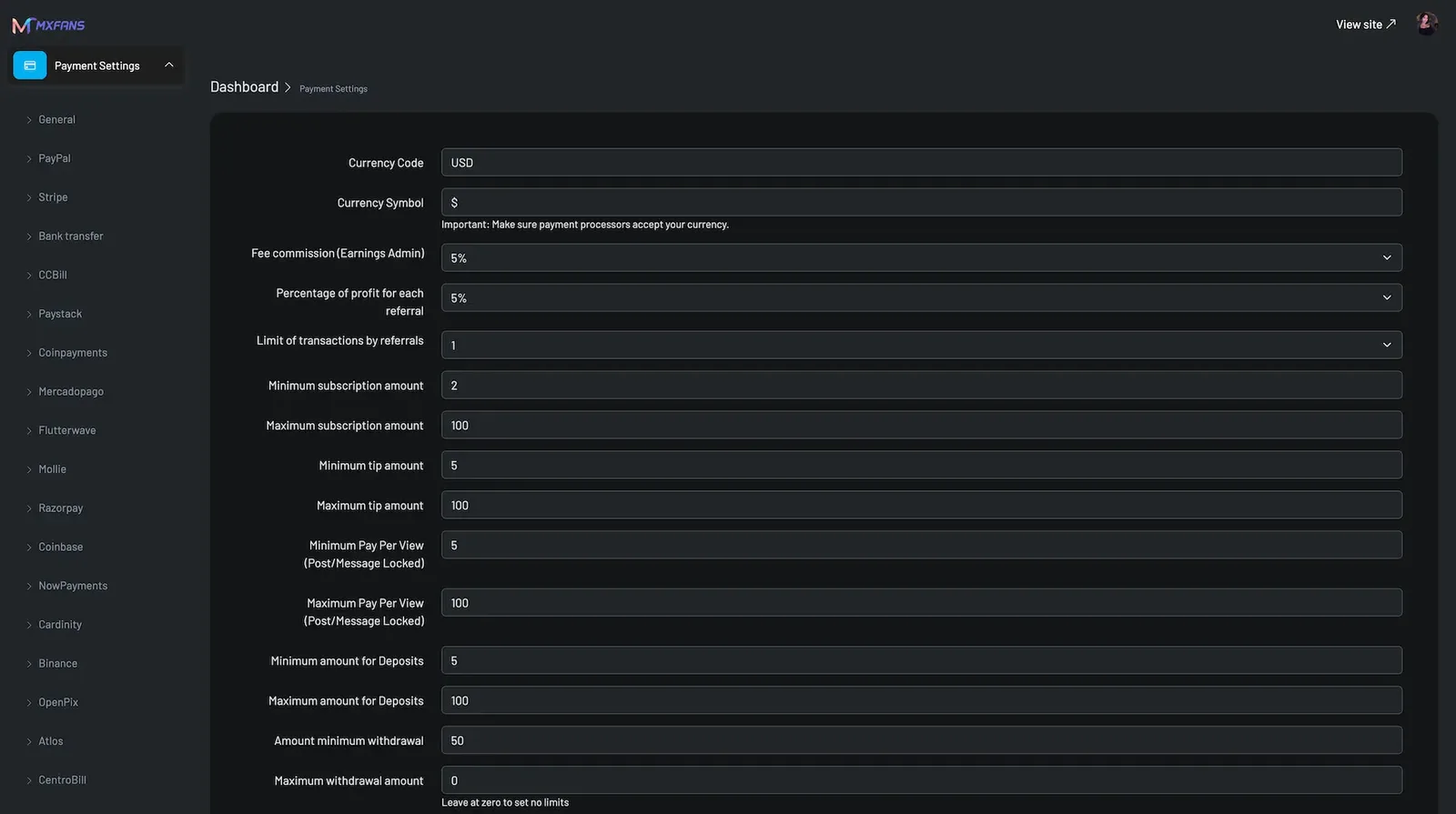
Real screens from the working product. Your platform ships rebranded with your name, logo and colors.
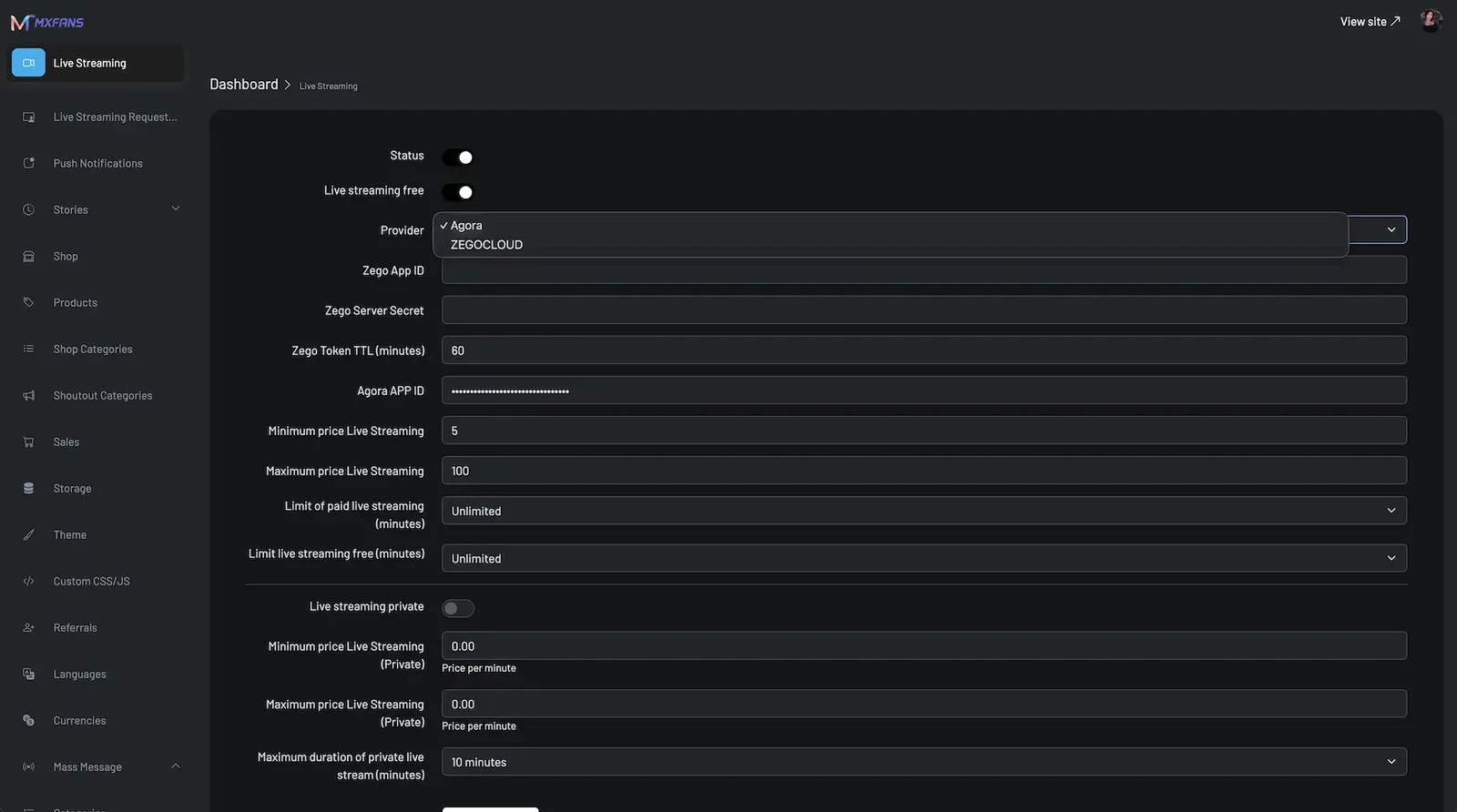
Admin panel 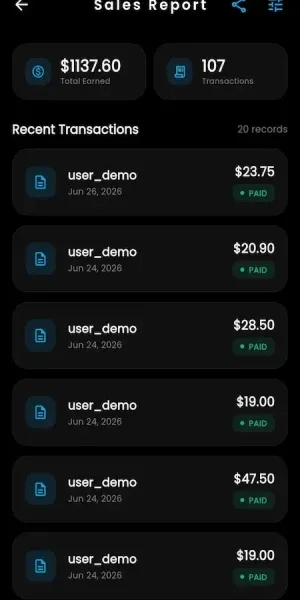
Creator studio 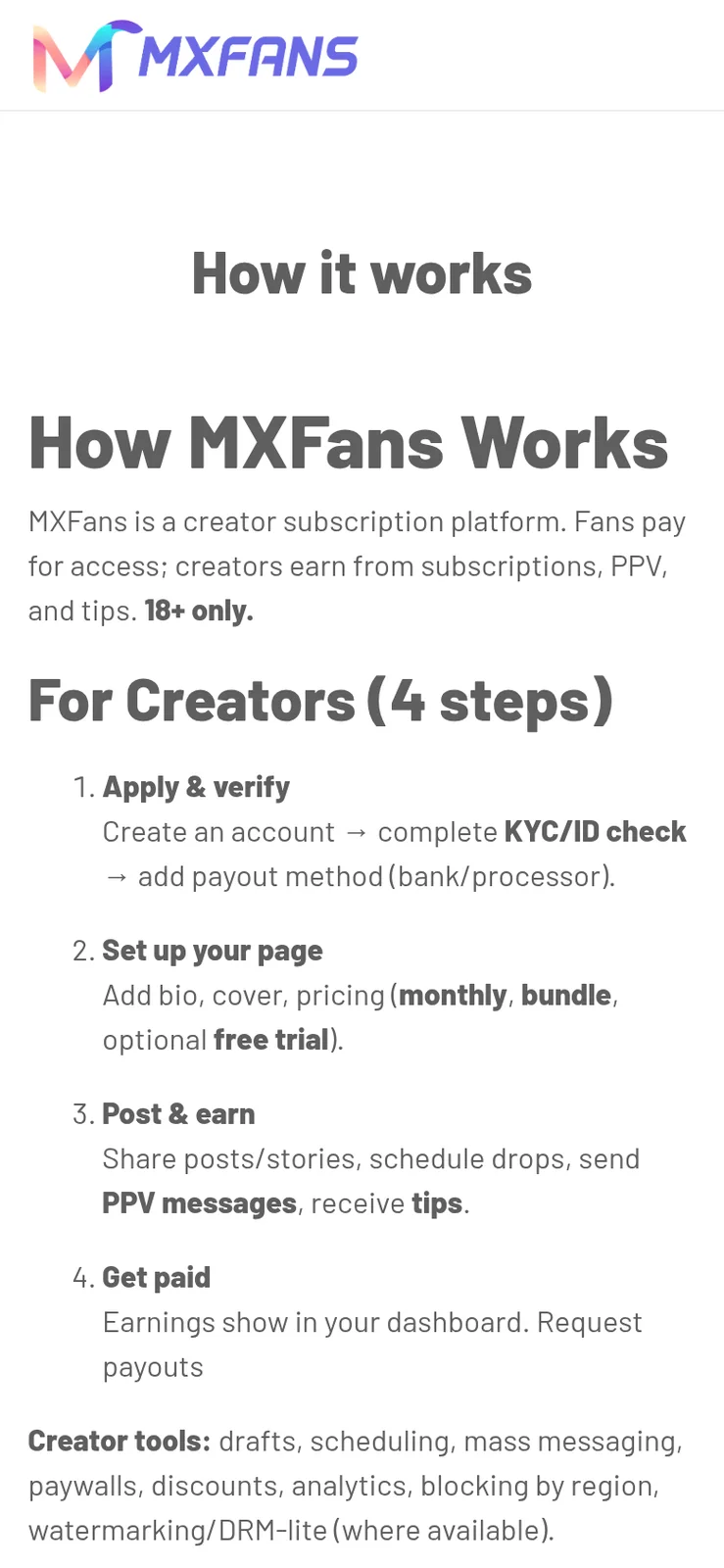
Web app 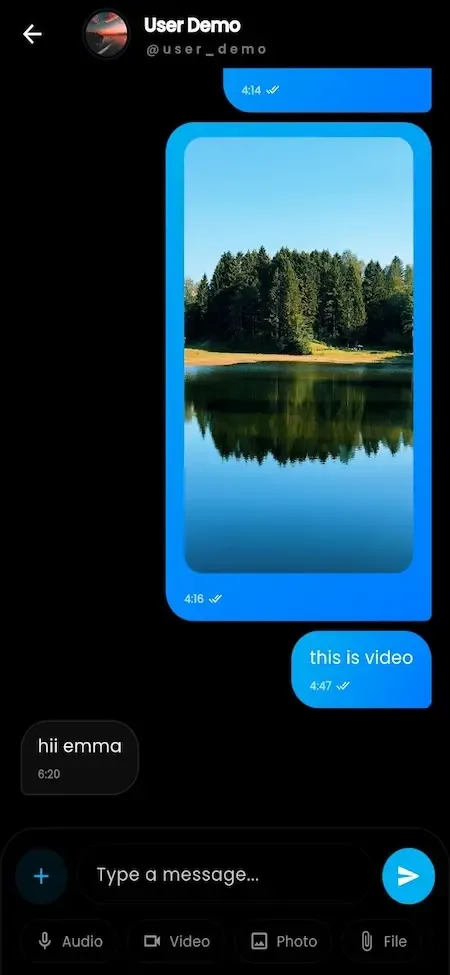
Fan app 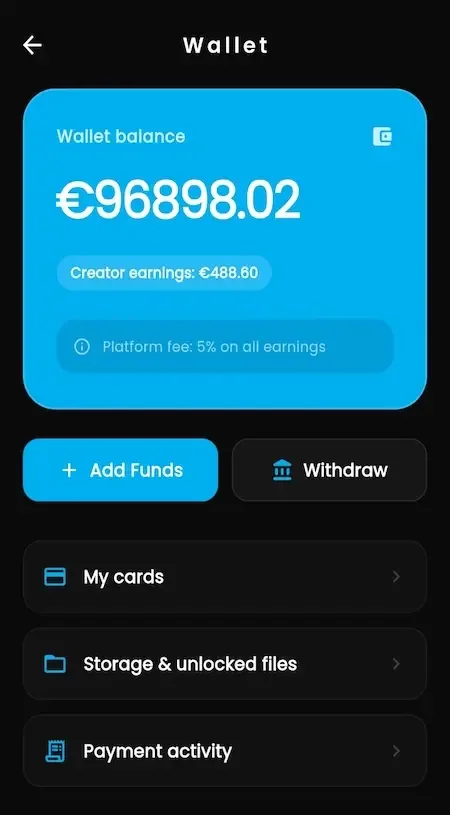
Fan app
How Fansly is known to work and what you can reproduce
Fansly is widely associated with multiple subscription tiers per creator, a free follow level and a feed that fans can browse and search. Creators price their access, fans pay through subscriptions, unlocks and tips, and the service keeps a share of what creators earn. Free following plus browsing is what separates this shape from a closed paid-only model.
This platform reproduces that mechanism for you: tiers, free levels, tags, search, explore and commission. What it cannot reproduce is the audience that a large marketplace has already accumulated. A new operator starts with an empty catalogue, so the realistic strategy is to fill a narrow niche well and let your own curation be the reason fans and creators choose you.
Which lever to use at each stage
Discovery needs content before it needs features. At the start you are filling a catalogue, in the middle you are converting visitors, and only later do you have enough traffic to sell placement. Matching levers to stage avoids switching on things that cannot yet pay.
| Stage | Lever to use | Why |
|---|---|---|
| Launch catalogue | Free tier funnel and a short, well-filled taxonomy | A small catalogue that looks alive converts better than a broad one that looks empty |
| First paying members | Paid tiers and single unlocks | Fans who follow need a clear reason to pay, and an unlock gives hesitant visitors a cheaper first purchase |
| Growing marketplace | Wallet, tips and paid messaging | A stored balance removes checkout friction, and spend per fan rises after the first payment |
| Traffic worth buying | Featured placement and live sessions | You now own browsing traffic, and live streams in discovery double as acquisition |
| Established catalogue | Calls, shop and path-specific rates | High-value extras need confident creators, and conversion data lets you price each surface separately |
Three ways to run a discovery marketplace
The same product supports quite different businesses, and each leans on a different part of the toolset. Decide which one you are building before you settle the taxonomy, because categories should follow the business and not the other way round.
The niche catalogue
You build the place to browse one genre or community. A tight taxonomy, strong tags and a curated front page make a small catalogue feel complete. Fans arrive because the niche is well organized, and creators join because they can be found by exactly the right audience. Narrow categories also make moderation policy simpler to write.
The agency-backed marketplace
Management teams bring several creators at once through delegated manager access. The explore feed gives their rosters visibility beyond existing fans, and featured placement becomes a natural paid benefit. Negotiated rates and business verification matter more here than on an open sign-up marketplace. Expect to discuss the rates for a whole roster rather than posting one public number for everyone.
The membership brand
A media or community brand uses free tiers as its audience layer and paid tiers as the membership. Creators are partners rather than a crowd. Public profile pages carry search traffic, and the shop and live sessions turn that audience into regular, scheduled spending. The brand voice and curation matter more here than the raw number of creators.
Mistakes that stall a discovery marketplace
These are decisions made early for understandable reasons that quietly cap growth. Several are difficult to reverse once creators and tags exist, so the time to avoid them is before your first batch of creators publishes anything.
Launching with paid tiers only
Without a free level the explore feed has nothing real to show, and every subscription depends on an audience the creator already had. The marketplace then grows only as fast as it recruits creators with followings, which is the slowest and most expensive route.
Letting tags grow by accident
Adding categories is easy, but restructuring a populated taxonomy means retagging content by hand. Write tag rules first, merge near-duplicates quickly, and review new tags weekly. A messy list makes search results look random and wastes the discovery tools you paid for.
Recruiting breadth before depth
A thin catalogue spread across many categories looks empty in all of them. A few well-filled categories look alive and give visitors a reason to browse. Add categories only when real demand and enough creators exist to fill them.
Treating explore as neutral
Whatever you surface is seen by people who did not seek it out. Moderation that was adequate for closed profiles is not adequate there. Require review before publication in sensitive categories and staff the queue before you promote the feed.
Selling placement without a record
Once placement earns money, every curation choice needs an owner and a reason. Keep the log from the first sale. Reconstructing who featured whom after a creator disputes a decision is far harder than recording it as it happens.
Raising commission late
Creators compare rates, and a few high earners usually carry much of the revenue. Increasing the rate after they have settled risks them taking their audience elsewhere. Choose the starting rate as though it will stay.
What to switch on first
Start with the free follow level and a small, carefully named set of categories. Ask each early creator to publish regularly with proper tags, so the explore feed looks active within days. Then open paid tiers and single unlocks so followers have something clear to convert to, and set your commission before recruiting anyone, since creators compare it.
Leave placement sales, calls and the shop for later. Watch the discovery reports for which categories turn followers into payers, feature those creators, and recruit more like them. Only when browsing traffic is steady does selling featured slots make sense, and by then you will have evidence of what a slot is worth. Keep a written record of curation choices from the first day.
Try the live Fansly Clone demo
The demo is the shared creator platform as delivered, with vendor demo branding still showing. It is the quickest way to judge how discovery feels: browse as a visitor, follow a creator, then switch to the creator and admin accounts to see where tiers, tags and placement are controlled. Your own branding replaces the demo identity at launch.
-
Fan app
Open the Fan app demo- Login
user@demo.com- Password
User_321
Worth trying
- Browse the explore feed and open a creator profile
- Search by category or tag and compare results
- Follow a creator, then look at what stays locked
- Fund the wallet and unlock a single post
-
Creator web app
Open the Creator web app demo- Login
creator@demo.com- Password
Creator_321
Worth trying
- Publish a post and attach tags and a category
- Set prices for several subscription periods
- Lock a post and choose what it costs to open
- Open the earnings screen and review recent sales
-
Admin panel
Open the Admin panel demo- Login
admin@demo.com- Password
Admin_$321
Worth trying
- Open the category settings and review how content is organized
- Check which creators are featured in discovery
- Read the commission settings and the payout queue
- Open the moderation queue and a reported item
Fansly Clone business model FAQs
What is a platform-generated subscription?
It is a subscription from a fan who found the creator through your catalogue, not through the creator own promotion. Those are the ones that show a marketplace adds value instead of just processing payments. Discovery reports help you see them, by showing which categories and tags lead visitors to subscribe.
Should I make free tiers compulsory?
It is usually better to encourage than to force. Explain to creators that a free level fills explore with real content and brings in followers who would not pay cold. Some creators will still prefer paid-only, and the platform supports that, but your own catalogue will look thinner without free levels.
Is the commission the same on every revenue line?
It does not have to be. You can set one percentage or a structure per revenue type, and every line resolves against the same wallet and ledger. Many operators keep a headline rate for subscriptions and apply lighter rates to tips, where fans are not comparing platforms.
When should I sell featured placement?
After browsing traffic is steady enough that a slot has real value. Early on, featuring creators for free is a better use of the feed, because it builds the catalogue and the trust of your first creators. Once you sell placement, keep a record of every curation decision.
Can this model work outside adult content?
Yes. Categories, tags and policies are settings, so the same ladder of free and paid tiers suits music, fitness, art, education and fan communities. Mainstream categories often ease payment approval, though you still need clear terms, moderation and honest budgeting for running costs.
Do you provide revenue forecasts?
No. A forecast depends on how many creators you recruit, how well your taxonomy converts and what your processor holds in reserve, none of which software controls. The discovery reports let you measure real conversion once you are live, and you can build your own projections from that evidence.
Explore the Fansly Clone
The overview and its companion pages answer the main questions in turn. Pick the one you need next.
-
Fansly Clone
The overview: live demo, screens, price and everything in the box.
Back to the overview -
Features
Most creator scripts are billing tools with a profile page attached.
See the full breakdown -
Development cost
A discovery-led creator platform has an unusual cost profile.
See exact pricing -
Development company
Any developer can ship profiles and a subscribe button.
Compare options
→Start here
Tell us what you want to launch.
Share the platform and your market. You get a walkthrough of the live demo, the exact scope of what ships, and a fixed price in writing. First response in under 2 hours, Monday to Saturday, 10:00 to 19:00 IST.
Trademark and independence notice
This page uses the name Fansly to describe a type of platform. The product sold here is separate software, built independently, and Fansly has no part in it.
Why this name
"Fansly clone" is industry shorthand that founders use when searching for software with a comparable business model. It names a category of product, not a copy of Fansly.
Who built this
The platform is an original product designed and written by Miracuves. It contains no code, design, graphics or content originating from the Fansly website or applications, and it ships under your own brand.
Trademarks
Fansly and its logos are trademarks of their respective owner and are named here for reference only. GetFame is not affiliated with, sponsored by or endorsed by Fansly. Rights holders can write to legal@miracuves.com.
Operator responsibility. The operator of a launched platform is responsible for legal compliance in the markets it serves. Nothing on this page is legal advice.Read the full disclaimer