IsMyGirl Clone Business Model: How a Managed Roster Earns
A managed creator platform earns from several places at once, and most of the margin is decided by how you run the people side. This page explains the economic idea behind the model, each stream and who pays it, how the named brand's approach works, and which lever to switch on first when you launch your own.
- 9
- revenue surfaces
- 3-way
- configurable split shares
- None
- revenue share to us
On this page11 sections
- The idea behind a managed creator business
- Revenue streams for an IsMyGirl clone operator
- The IsMyGirl Clone, on screen
- How the IsMyGirl model works
- Which lever to use at each stage of a roster
- Three ways operators run this platform
- Mistakes that quietly sink a managed roster
- The first lever to switch on for your own roster
- Try the live IsMyGirl Clone demo
- IsMyGirl Clone business model FAQs
- Explore the IsMyGirl Clone
The idea behind a managed creator business
A self-serve platform hosts creators and takes a fee from what they sell. A managed platform does something different: it takes responsibility for part of the creator's work. Your team recruits, verifies, writes to fans, schedules and pays, and in exchange you keep a larger defined share than a pure host could ask for. You are being paid for service as well as for software.
That changes where the profit comes from. Software cost stays almost flat as the roster grows, while the work of serving creators grows with every addition. The model therefore rewards operators who are good at organizing people, and it punishes those who sign talent faster than they can serve it. The question is never only how many creators you have, but how many your team handles well.
It also changes what the technology must do. Because several people act on behalf of each creator, the platform needs per-creator terms, separate staff permissions, clear records and a controlled path for money. Without those, the managed model turns into spreadsheets and shared passwords, which is exactly what this build is meant to replace. The earning model and the software requirements are two views of the same thing: the more hands touch a creator's income, the more the system has to prove who did what.
Revenue streams for an IsMyGirl clone operator
Every stream below passes through the same split engine, so your share is applied consistently whatever the source. The differences are in who pays, how predictable the income is, and how much staff effort sits behind it.
Platform and agency share
This is the core income. A defined percentage of each creator earning is divided between platform and agency before the creator's portion is credited. Fans never see it, creators agree to it in advance, and you set it per creator and per type of earning, so strong talent can be signed on better terms.
Subscriptions
Fans pay a recurring fee to follow a creator. This is the predictable base of the business, and your share arrives with every renewal. Creators can price weekly through annual periods, and free previews or gated profiles let you choose how aggressively to convert browsers. A longer period usually suits fans who stay for the archive, while a short one suits new arrivals who want to test a creator first.
Managed messaging
Staff work inboxes with templates, lists and scheduled sends, selling priced media inside conversations. Fans pay per item, and the margin depends on staffing more than on traffic. It is often the most operator-driven stream in a roster business. You keep your agreed share of each unlock, and the operator's time is the cost you set against it, so consistent pricing from the vault matters more here than anywhere else.
Pay-per-view unlocks
Posts, sets, reels and files are locked behind one-time prices. Fans who dislike subscriptions still spend here. Income follows content volume and pricing discipline, which makes the vault of priced media a practical tool for keeping offers consistent. A creator who posts a locked set every week gives subscribers a reason to keep buying beyond the monthly fee, and you take your share of each unlock.
Tips and gifts
Fans send wallet-funded support on posts, profiles and live sessions. Operators often take a lower share here than on other streams, because tips feel voluntary to the fan and creators watch how much is kept from them. Tips tend to cluster around live sessions and milestones, so scheduling a session is one of the few ways an operator can influence this stream directly.
Live, calls and shoutouts
Paid streams, private sessions, timed calls and personalized requests carry higher prices than a single unlock and they need scheduling. The creator provides the time, your staff handle bookings and reminders, and the fan pays by session or by duration. Your share is taken from each booking as it settles.
Shop and auctions
Creators sell products and services with coupons, and run live auctions with starting bids. You earn a share of orders and winning bids, while fulfilment is tracked so that creator, manager and operator see the same status. A signed item or a custom service offered by auction gives a creator something to sell that is not content, and gives you a share without extra inbox labor.
Placements and AI credits
Boosts and featured slots are sold to creators or advertisers for flat fees, independent of what the creator earns. Fans can also buy credits to chat with AI personas, which brings in revenue less the cost of the provider behind them. The flat-fee side only works once the platform has enough traffic to make a slot worth buying, so it belongs later in the roadmap.
The IsMyGirl Clone, on screen
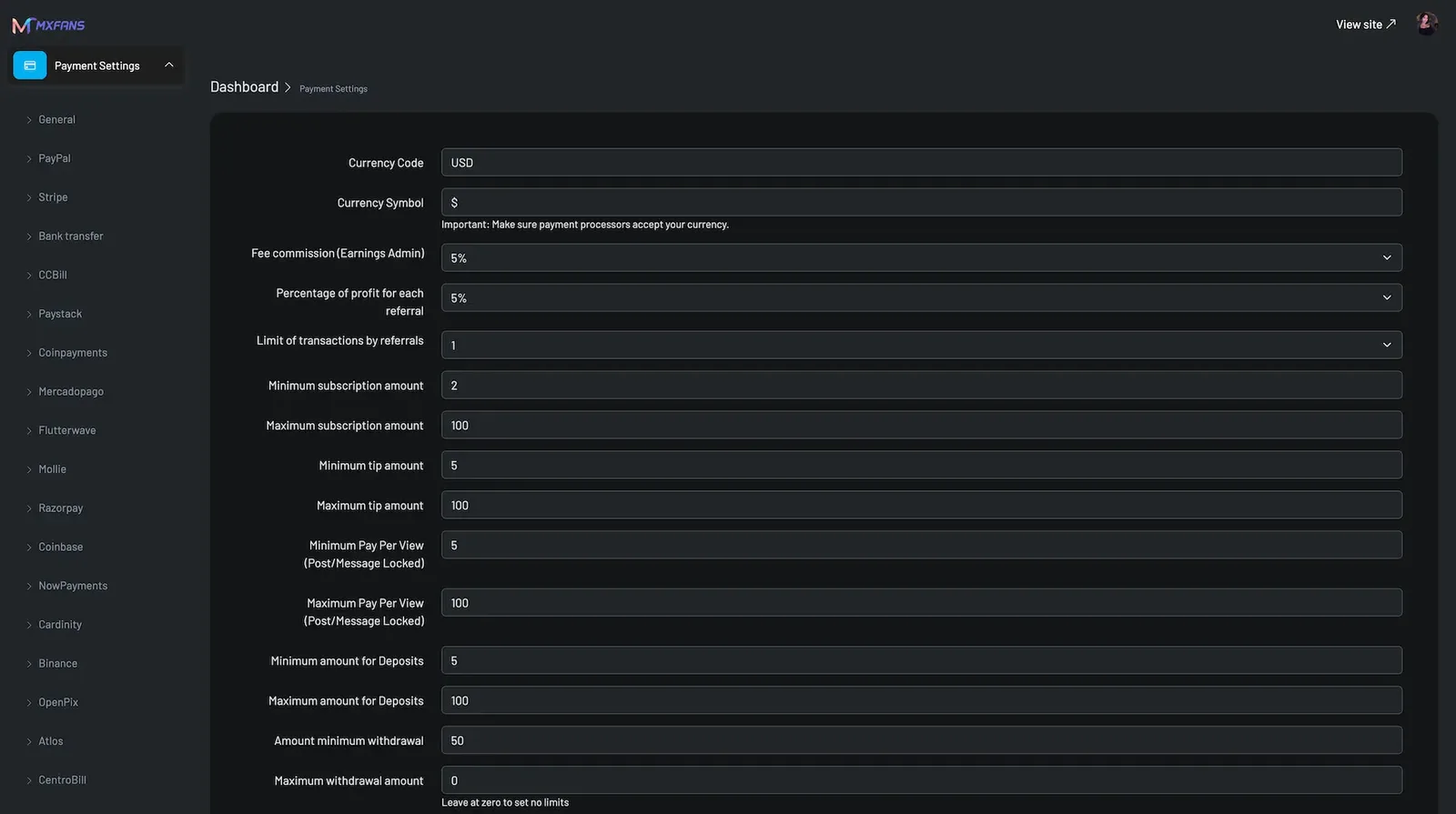
Real screens from the working product. Your platform ships rebranded with your name, logo and colors.
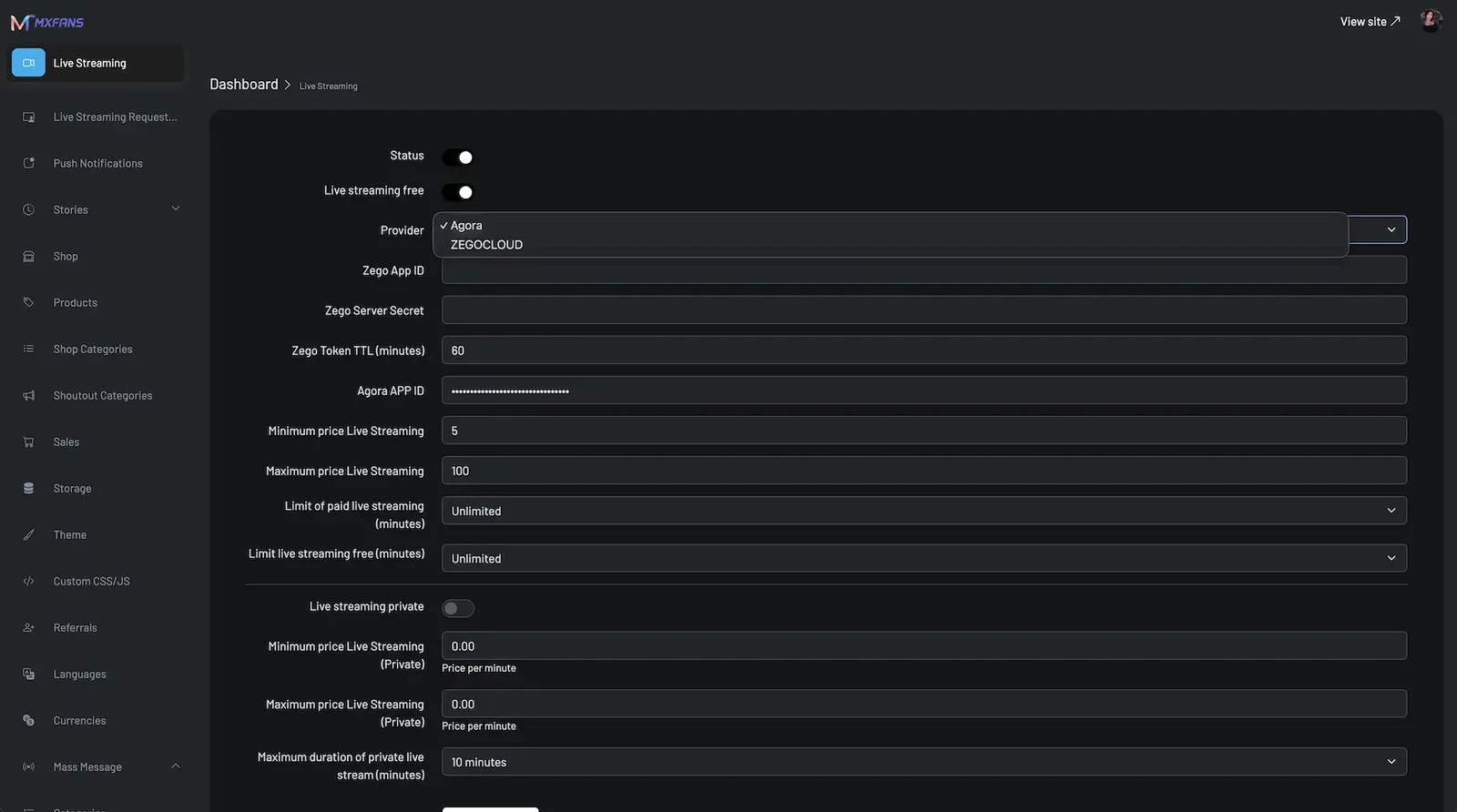
Admin panel 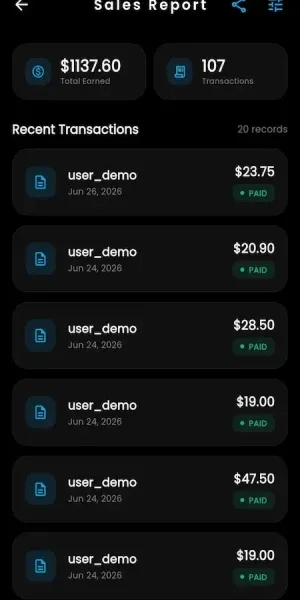
Creator studio 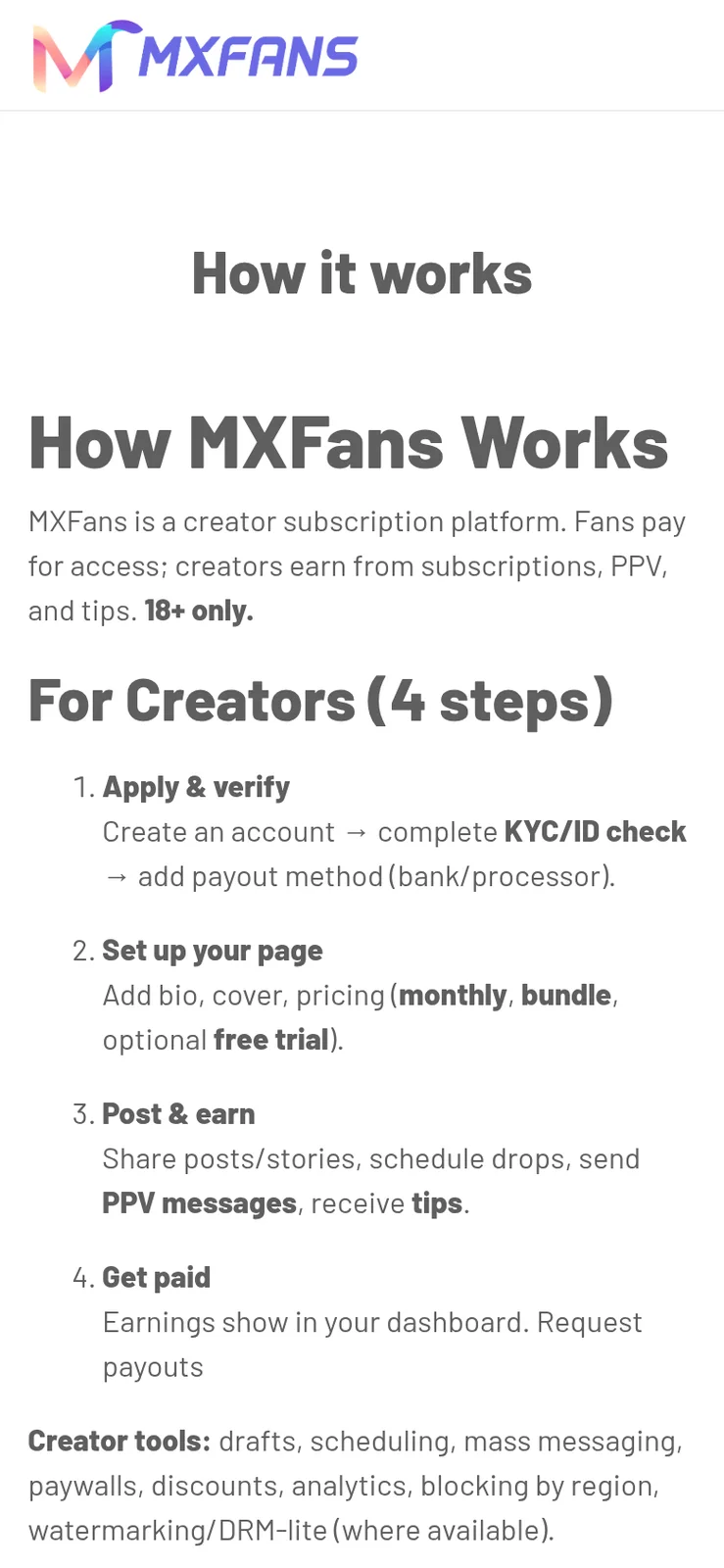
Web app 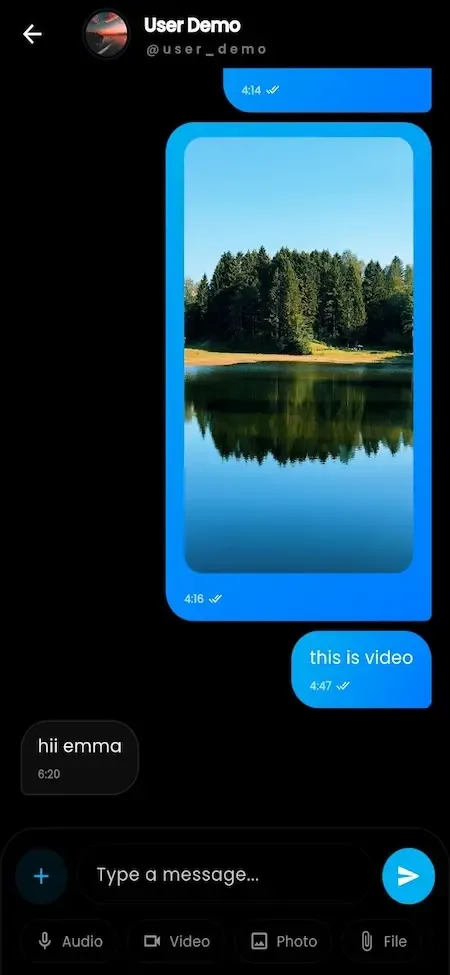
Fan app 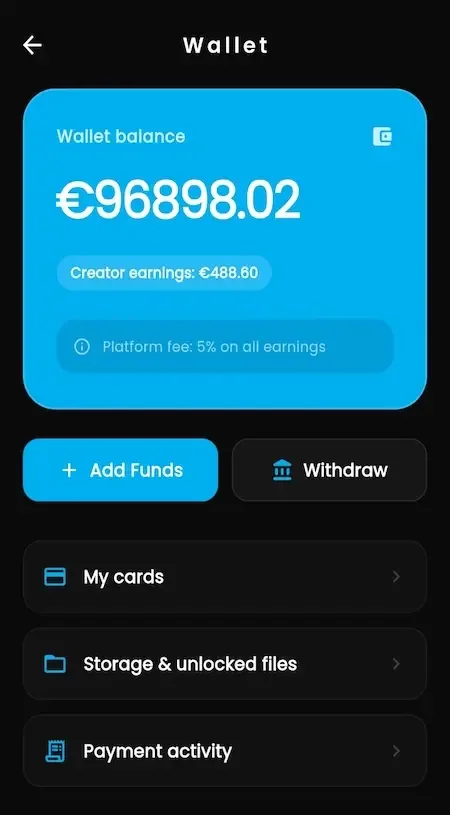
Fan app
How the IsMyGirl model works
IsMyGirl is widely associated with the managed approach to creator income. In that arrangement an operator signs a creator, helps run the account and keeps an agreed share of the earnings in return for that help. The creator keeps making the content, while the operating team handles the surrounding work that turns an audience into repeat paying fans.
That is the model this platform supports, and the name is used here as a search term only. We have no affiliation with the brand and do not describe how its own business performs. What you build is your own agency or platform: your terms with creators, your staff, your payment accounts and your brand, running on software you own.
Which lever to use at each stage of a roster
The mix that suits a three-person roster is not the mix that suits a large one. This table suggests where to concentrate as the operation matures, and why each choice fits that moment.
| Stage | Lever to use | Why |
|---|---|---|
| Launch | Subscriptions and a simple split | Predictable income and terms creators can understand quickly |
| First roster | Managed messaging with templates | Staff effort converts existing fans before you need more traffic |
| Growing | Pay-per-view and the media vault | Consistent pricing across several operators protects margin |
| Established | Live, calls, shop and auctions | Higher-value moments from fans who already trust the creator |
| Mature | Placements and the agency module | Income beyond creator sales and tools to manage a larger team |
Three ways operators run this platform
The same software supports different businesses. These are the main shapes we see described, each with its own priorities for configuration and staffing, and each of them leans on a different part of the console from the very first week.
The talent agency
You recruit and represent creators, work their inboxes and take a share for it. Priority goes to verification, per-creator splits, staff roles and the payout approval queue, because your promise to creators is that you run things properly and pay them correctly. Your edge is how well you sell on their behalf, so inbox tooling and reporting by creator deserve early attention.
The white-label platform seller
You deploy a managed platform for a client under their brand, and the roster belongs to them. Branding, domain control and clear boundaries between your staff and theirs matter most, and the separate staff logins keep each side within its own remit. When the engagement ends, the client should be able to keep running without you, so hand over the console and the records cleanly.
The self-serve host with options
You let creators sign up on their own and set one commission, then offer management as an optional service to those who want it. The roster tools stay dormant until needed, which lets you start light and grow into the managed model. Creators who stall on their own are the natural first candidates, and your analytics show you who they are.
Mistakes that quietly sink a managed roster
Most failures in this model are operational rather than technical. These are the patterns that show up repeatedly, and each can be avoided with a decision made before launch.
Signing talent faster than staffing
A roster looks healthy on paper while the inboxes go unanswered. Each creator you add needs capacity behind them, so grow the roster and the team together and use the roster analytics to see where an extra operator pays for itself.
Raising your share after creators earn
Changing splits once talent is earning damages trust fast, and your best creators have the most alternatives. Settle the terms before recruiting, and show creators their earnings with the split applied so nothing feels hidden. If a change is unavoidable, apply it to future earnings only and tell creators in advance, so the past stays exactly as they were paid.
Sharing one admin login
A single password across the team makes every action untraceable and every departure a risk. Give each person their own scoped account from the first day, because retrofitting accountability later is far harder. When an operator leaves, you disable one login and nothing else changes, whereas a shared credential forces you to reset access for everyone mid-shift.
Paying out without a check
Automatic payouts feel efficient until a balance is wrong or a creator is unverified. Keep release behind a named approver, and treat the record of each decision as part of the product you offer to talent.
Relying on a single payment account
In categories processors treat as risky, one closed account can stop income overnight. Hold more than one provider where your market allows and keep records tidy enough to satisfy a review. Multiple gateways are supported by the build, so the work is mostly commercial: applying to a second provider before you need it, not after the first one cuts you off.
Letting the creator voice drift
Fans notice when tone changes. Write short style notes for each creator, review a sample of sent messages regularly and let creators approve how they are represented. Staff turnover makes this worse, because every new operator drifts toward their own voice, so the notes should live somewhere a replacement can read on the first day.
The first lever to switch on for your own roster
Start with subscriptions and a split you can explain in one sentence. They give you recurring income you can forecast, they are the easiest term for a creator to accept, and they exercise the whole money path from fan payment through approval to withdrawal. Keep the first roster small, because learning how your payouts and your inbox really behave is worth more than breadth.
Add managed messaging second, once the first creators are verified and live. It is where staff effort turns directly into income, and it will tell you quickly how much capacity each operator has. Open live, calls and the shop later, when you have the people to schedule and fulfil them without hurting the quality of what fans already pay for.
Try the live IsMyGirl Clone demo
The demo is a live deployment of the same build you would receive, wearing demo branding rather than yours. It covers the mobile app that fans and creators share and the operations console. For a managed business the console is the part to judge, because roster, verification, splits and payout approval all live there. The logins are public demo accounts.
-
Fan app
Open the Fan app demo- Login
user@demo.com- Password
User_321
Worth trying
- Open a creator profile and compare the free preview with the locked posts
- Fund the wallet, then unlock a single paid post
- Start a conversation and open paid media inside the thread
-
Creator app
Open the Creator app demo- Login
creator@demo.com- Password
Creator_321
Worth trying
- Read the earnings view and check how the split shows up
- Price a subscription tier and a locked post
- Look at the withdrawal request screen and its status steps
-
Admin console and web app
Open the Admin console and web app demo- Login
admin@demo.com- Password
Admin_$321
Worth trying
- Find the creator roster and open one account record
- Open split configuration and the commission settings
- Walk the verification queue and the payout approval screen
- Check moderation reports and the audit trail
IsMyGirl Clone business model FAQs
Do managed platforms earn more than self-serve ones?
Per creator, the operator share is usually larger, because you earn a platform fee and a management fee together. The cost is people. Operators, managers and recruiters scale with the roster, so margin depends on staffing discipline. Neither model is automatically better, and the right choice depends on whether you want to run a service.
Can I change my share for one creator only?
Yes. Splits are configured per creator and per type of earning, so you can sign one person on different terms from another. Changes apply to future earnings, which keeps past payouts explainable. Agree the numbers with the creator first, then enter them, so the software reflects the agreement rather than replacing it.
What do creators see about my share?
Creators see their earnings with the split applied in their own dashboard. How much further you disclose is a business decision. Many operators find that showing the numbers openly builds trust, particularly with experienced creators who compare agencies before they sign.
Is subscription income enough on its own?
It gives a steady base, but most roster businesses also rely on messages, unlocks, tips and sessions, where staff effort lifts spending from fans who already follow a creator. Switching streams on over time lets you add them as your team can support them.
How do I price subscriptions for new creators?
Creators set their own prices within the plans you enable, from weekly through annual. A sensible start is to test free previews and a modest entry price, watch conversion in the roster analytics, then adjust. We do not publish recommended prices, because the right level depends on your market and audience.
Can I run adult content on this platform?
The platform supports age gating, verification and moderation tooling, and you as operator are responsible for legal compliance in your market. Payment access for adult categories depends on providers that accept them. We give no legal advice, so take advice locally before you decide what your platform will allow.
Explore the IsMyGirl Clone
The overview and its companion pages answer the main questions in turn. Pick the one you need next.
-
IsMyGirl Clone
The overview: live demo, screens, price and everything in the box.
Back to the overview -
Features
This page walks through what the managed creator platform actually does, role by role, and then follows one creator from recruitment to a settled payout.
See the full breakdown -
Development cost
The ready-made platform costs $3,699 once, with full source code and no per-creator or per-seat fee.
See exact pricing -
Development company
Picking a provider for a managed creator platform is mostly about money handling and staff controls, not screens.
Compare options
→Start here
Tell us what you want to launch.
Share the platform and your market. You get a walkthrough of the live demo, the exact scope of what ships, and a fixed price in writing. First response in under 2 hours, Monday to Saturday, 10:00 to 19:00 IST.
Trademark and independence notice
This page uses the name IsMyGirl to describe a type of platform. The product sold here is separate software, built independently, and IsMyGirl has no part in it.
Why this name
"IsMyGirl clone" is industry shorthand that founders use when searching for software with a comparable business model. It names a category of product, not a copy of IsMyGirl.
Who built this
The platform is an original product designed and written by Miracuves. It contains no code, design, graphics or content originating from the IsMyGirl website or applications, and it ships under your own brand.
Trademarks
IsMyGirl and its logos are trademarks of their respective owner and are named here for reference only. GetFame is not affiliated with, sponsored by or endorsed by IsMyGirl. Rights holders can write to legal@miracuves.com.
Operator responsibility. The operator of a launched platform is responsible for legal compliance in the markets it serves. Nothing on this page is legal advice.Read the full disclaimer