Netflix Clone Business Model: Ways an OTT Platform Earns
Streaming economics run on minutes, not on sign-ups. This page explains the idea that makes the model make sense, walks through the revenue lines the platform supports and who pays for each, describes how the brand itself works, and suggests which levers to pull at each stage of a service.
- 6
- revenue lines
- 3
- unlock paths per title
- $3,699
- one-time, no revenue share
On this page11 sections
- The idea behind a streaming business
- Revenue lines the Netflix clone supports
- The Netflix Clone, on screen
- How Netflix itself earns
- Which monetization lever fits each stage
- Three ways operators run this platform
- Common OTT monetization mistakes
- Which revenue lever to switch on first
- Try the live Netflix Clone demo
- Netflix Clone business model FAQs
- Explore the Netflix Clone
The idea behind a streaming business
A streaming service sells access to a library, but it pays for two things that scale in different directions. Licensed or commissioned content is mostly a fixed cost, bought for a window whether or not anyone watches. Delivery is a variable cost, because every minute watched means bandwidth. A subscription brings in the same money from a light viewer and a heavy one. From the operator's chair, a catalog nobody opens is expensive twice: you paid to acquire it and you still pay to store it.
That is why the healthiest services look for revenue that behaves differently from a plan. A rental earns from someone who wants one film. A pay-per-view event earns from a spike of demand. A producer revenue share turns part of the fixed content cost into a variable one that follows viewing. Each of these also tells you something a plan cannot: rentals show which single titles reach people who would never subscribe, and an event night shows how much delivery headroom you need.
So the business case is built around minutes: what each title earns, what each minute costs to deliver, and which viewers would never have paid under a plan alone. The platform is designed so that each of these can be priced and measured in the same catalog. That view also settles price arguments. If the minutes on a title do not cover its delivery and its producer share, no marketing fixes the math, and the reports show the gap before it becomes a habit.
Revenue lines the Netflix clone supports
Each line below is a setting in the admin console, not a separate product. They can run together, and the same title can sit in more than one of them.
Subscription plans
Viewers pay for weekly, monthly or yearly access to the library, with limits that separate a basic tier from a premium one. The payment arrives at the start of each period and an invoice is created. You keep the amount after gateway fees, and your cost is the content and delivery behind it.
Rentals
A viewer pays once to open a single title for a limited window, after which playback stops. This earns from people who want one film and would not keep a plan. The operator sets the window and the price per title and keeps the payment minus gateway fees.
Pay-per-view events
A premiere, match or concert can be sold as a one-off purchase separate from any plan. Demand clusters around a date, so these sales are concentrated and often priced above catalog titles. The operator keeps the proceeds after the processor and any producer share. Announce the date well ahead and hold the price steady, since a late discount feels unfair to people who already paid, then move the replay into the plan so the event keeps earning.
Premium tiers and coupons
A higher tier opens premium titles, and fixed or percentage coupons with validity windows attract or win back viewers. Buyers pay the tier price at checkout, and the operator controls the discount, so the cost is a margin trade rather than a new expense. Tiers work best when the upgrade has an obvious reason, such as premiere access or a category the base plan lacks, and coupons work best with an end date so they never become the permanent price.
Themed bundles
Collections such as sport, kids, regional films or education libraries can be sold as a package. The viewer pays for a topic they care about, usually at a higher basket value than a single rental. The operator keeps the payment and decides which titles go inside. A bundle also gives marketing something simple to say, because a sports pass or a regional film pack is easier to explain than a whole catalog.
Producer revenue share
Partners submit content, you approve it, and their earnings follow minutes watched under a rule you set. The viewer pays you, and you pay the producer from that income after review. Your platform share stays with you, and you carry little upfront content risk. Because the share follows minutes, a film watched to the end earns its producer more than one that is only opened, which nudges partners toward work people finish.
Ads and sponsorship
Free tiers and campaigns can be supported by advertisers or sponsors instead of viewers. The advertiser pays, usually against placements or reach, and the operator keeps the fee. We can set up a complete ad module for your build, so treat it as a later addition. Sponsors want evidence of reach, so keep your viewing reports tidy, and keep breaks light on a free tier or viewers move to an ad-free rival.
White-label deployments
Because you hold the source code, you can stand the platform up under another brand for a client, region or network. The partner pays you for the software or the service, and no bandwidth cost is attached to that income. Possible buyers include a broadcaster, a school group or a regional operator who wants streaming without commissioning it. Whether you charge a setup fee, a service fee or both is your decision.
The Netflix Clone, on screen
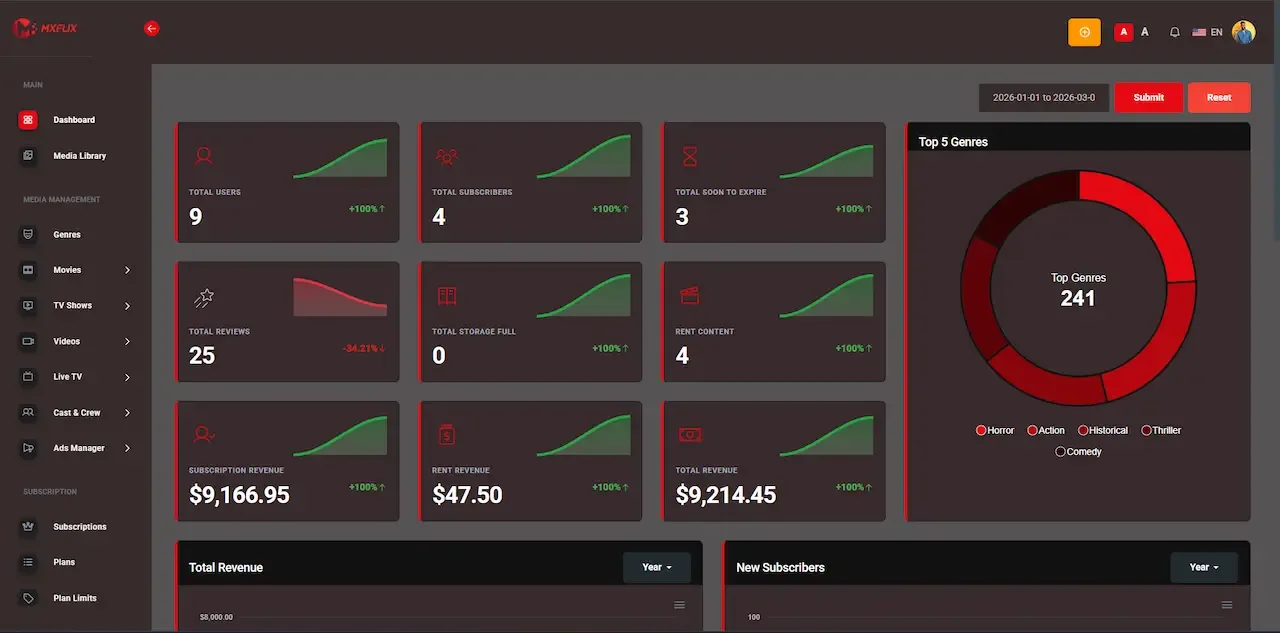
Real screens from the working product. Your platform ships rebranded with your name, logo and colors.
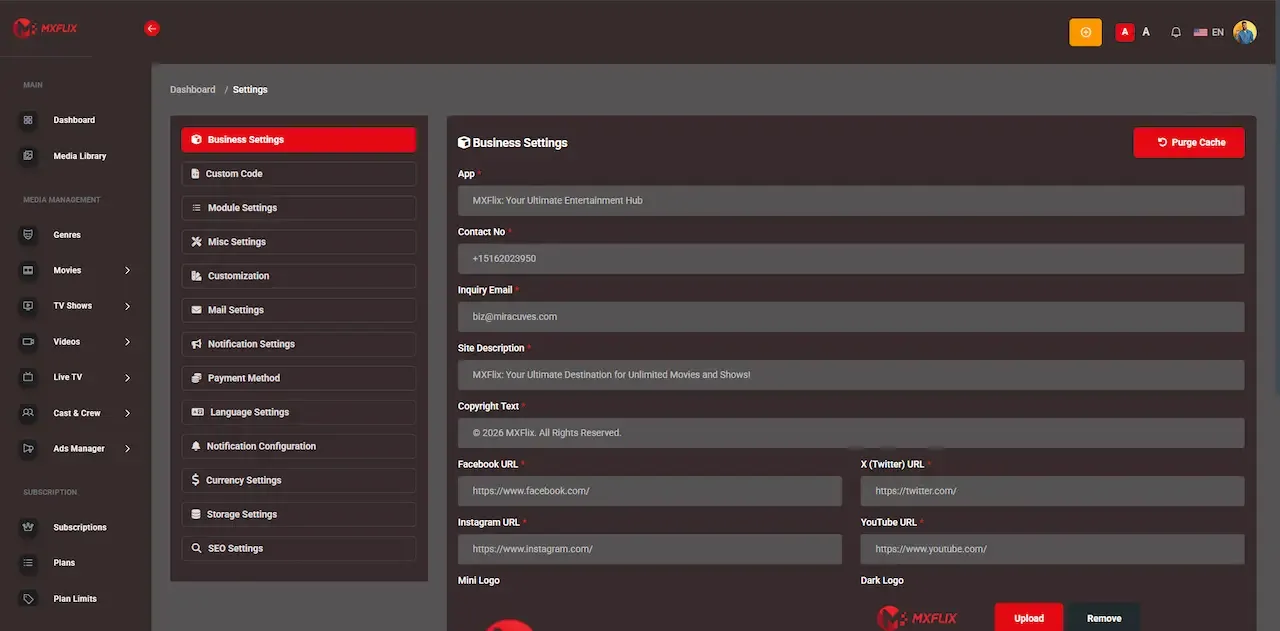
Admin panel 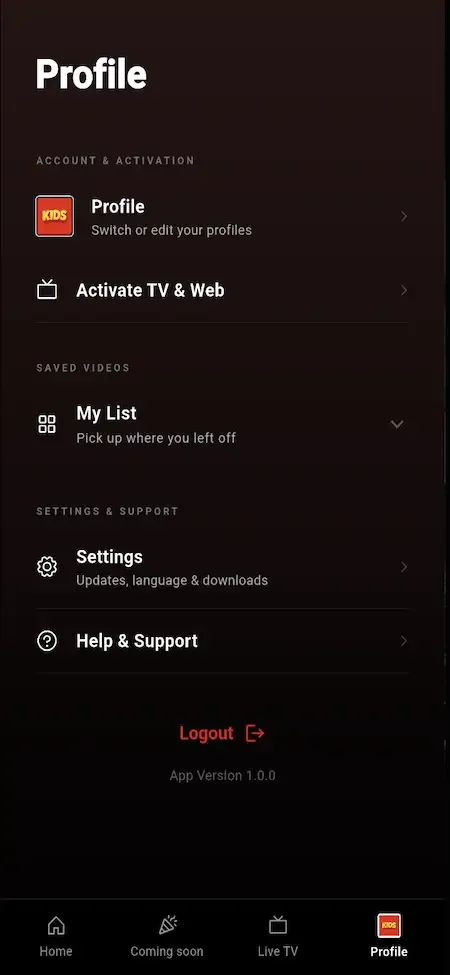
User app 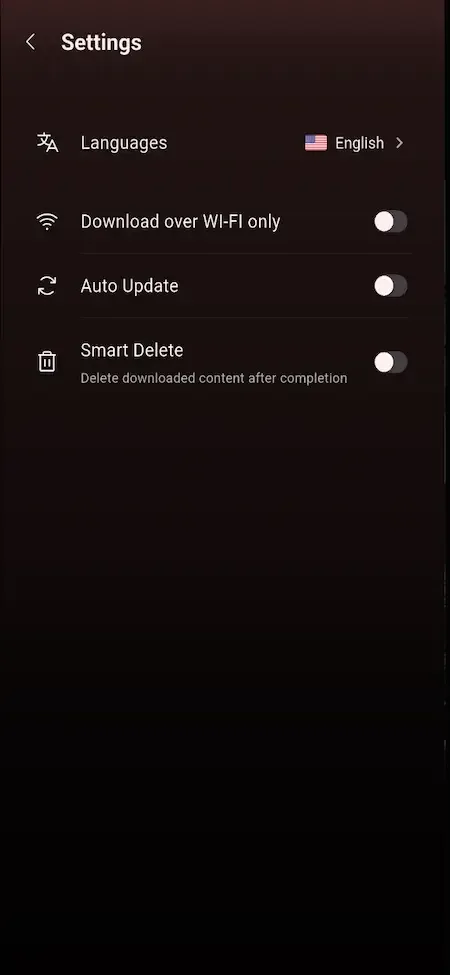
User app 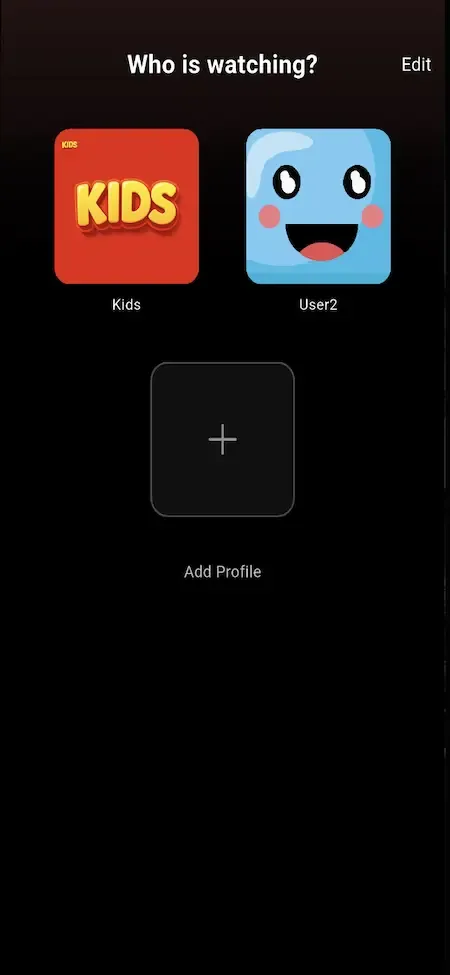
User app 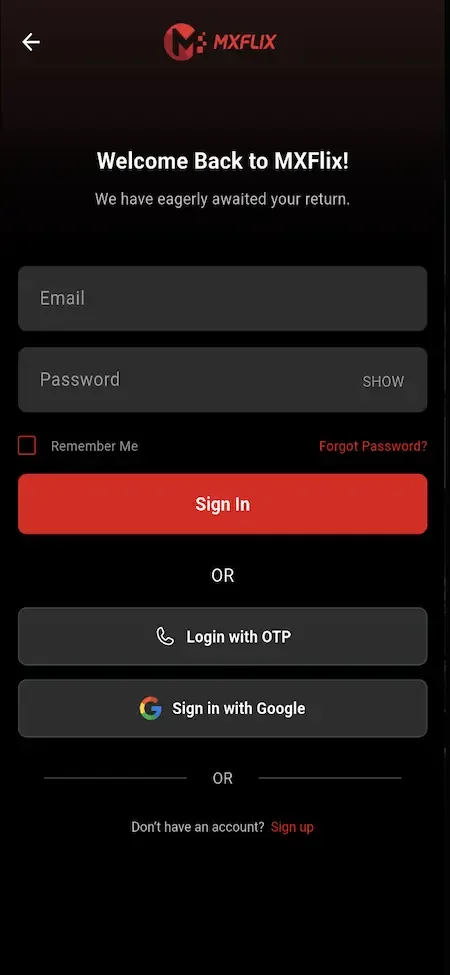
User app
How Netflix itself earns
Netflix is widely known as a subscription service: households pay a recurring fee for access to a library of licensed titles and its own commissioned originals, watched across profiles and devices. Plans differ by tier, and it has also experimented with a plan that carries advertising. The central point is that a single recurring payment funds a very large content budget.
Most operators cannot copy that. Commissioning originals is capital, not software, and a new service cannot compete on catalog size. What this platform lets you reproduce is the viewing experience and the subscription mechanic, then add rentals, events, bundles and producer sharing, which suit a smaller or more specialized audience. The honest benchmark is retention within your niche: do the viewers who find your catalog come back every week?
Which monetization lever fits each stage
The right revenue line depends on how far the service has come. Early on the goal is proving that people watch, and only later proving that they will keep paying.
| Stage | Lever to use | Why |
|---|---|---|
| Launch | One simple plan plus rentals for the best titles | You learn what people watch and whether single films sell before committing to complex tiers |
| First audience | Coupons and one themed bundle | Discounts bring in the first viewers, and a bundle tests whether a specific interest pays more |
| Catalog growth | Open producer submissions with a payout rule | Partners add titles without a licensing budget, and payment follows measured viewing |
| Event moments | Pay-per-view on premieres and live events | Demand concentrates around a date, which a monthly plan cannot capture |
| Maturity | Premium tier, ads for a free level, white-label deals | You segment willingness to pay and add income that does not depend on more viewing |
Three ways operators run this platform
The same revenue lines can be weighted very differently depending on what you own and who you serve. Most real businesses blend two of the following shapes, and it helps to name which one is your main bet before you set a single price.
The niche or regional service
A language, region or community with a catalog that global services overlook. One clear plan carries the base, rentals capture occasional viewers, and the advantage is relevance rather than size. Depth of catalog matters more than breadth, which also keeps delivery costs lower. Marketing can run through communities and creators who already speak to this audience, which is cheaper than buying general reach, and a loyal base forgives a slimmer library if releases arrive regularly.
The producer network
Content arrives from partners instead of a licensing budget. Producers submit, you approve, and payouts follow minutes watched. Capital at risk is low, but the work shifts to moderation and partner management, so treat approval as an editorial function and staff it accordingly. A sensible start is a small group of partners whose catalogs complement each other, with a written rule for what happens to rejected titles, so quality is set before the network grows.
The events and live operator
Sport, concerts and tournaments, where demand piles up around a date. Pay-per-view leads, a plan bundles the archive and replays, and infrastructure must be sized for the spike rather than an ordinary day. It has the most upside and the least forgiving delivery needs. Viewers who miss a start do not wait, so a test stream and a support contact on the night are part of the product.
Common OTT monetization mistakes
These are the errors that most often damage a streaming service, drawn from how the revenue lines interact rather than from any figures. Most of them are decisions made in the first week that become expensive to reverse once viewers and partners rely on them.
Pricing on sign-ups instead of minutes
A plan price set to win subscribers can be too low for the people who watch most, because their delivery cost climbs while their payment stays flat. Estimate the cost per viewing minute first, then set the price against it.
Putting every title behind one model
Forcing each film into a plan throws away income from viewers who want a single title or an event. Use all three unlock paths, and decide per title where it earns best. A free anchor title, a rental for a new release and an event for a premiere each do a different job, and testing them against each other is cheap because each one is a setting.
Chasing catalog size
A small service cannot match the shelf of a global giant. Competing on a clear niche, language or audience gives viewers a reason to open your app that scale alone cannot. A shelf of unwatched filler also costs storage and clutters the home screen, so a smaller catalog that people finish usually serves a niche better.
Signing producers before the rule is set
Partners will remember what they were told. Agree the payout rule and review process first, and write it into their terms, so disputes are settled by the minute logs rather than by memory. Changing the share after titles are live feels like a pay cut to the partner, and the argument that follows usually lands on your support desk.
Applying pay-per-view to everyday titles
Charging again for content that subscribers assumed was included damages goodwill quickly and is hard to repair. Reserve single purchases for premieres, live events and genuinely premium releases, and make the label obvious before anyone presses play.
Under-planning delivery for big nights
A live event can send many viewers at once. If hosting and CDN are sized for an ordinary evening, the launch night becomes the moment people leave. Plan capacity with your provider ahead of time, and run a test stream through the same path viewers will use, so the first live night is not also the first load test.
Which revenue lever to switch on first
Start with one plan and rentals on the few titles most likely to pull in people who will not subscribe. That pair is simple for viewers to understand, easy for you to measure, and it tells you quickly whether the catalog earns its delivery cost. Everything else can wait until you have viewing data to guide it.
Add producer submissions next, but only once someone on your team is ready to review them. After that, use pay-per-view for moments that deserve it and bundles for audiences with a clear interest. Every lever is a console setting, so you can turn one on, watch the results and reverse it without a new release. Keep a short note of what each switch changed in minutes and purchases, so a disappointing lever can be traced to its price, its title or its audience.
Try the live Netflix Clone demo
The demo is a working copy of the streaming platform carrying demo branding and sample titles, so nothing in it is your final look. Open the viewer web app, then sign in to the producer panel and the admin console to follow one title from submission to playback. The sample logins below are public demo accounts.
-
Viewer web app
Open the Viewer web app demo- Login
user@demo.com- Password
User_321
Worth trying
- Open a title page and read how access is labeled
- Switch to a kids profile and look at what disappears
- Start a video, leave, and return through Continue Watching
- Walk through a plan purchase and open the invoice
-
Viewer Android app
Open the Viewer Android app demo- Login
user@demo.com- Password
User_321
Worth trying
- Install the APK and browse the home screen shelves
- Add a title to the watchlist from a detail page
- Check the download option on a series episode
- Compare the subtitle and quality choices in the player
-
Producer panel
Open the Producer panel demo- Login
producer@demo.com- Password
Producer_321
Worth trying
- Open a content proposal and see which documents it carries
- Read the views and watch minutes for a single title
- Look at the revenue share figures and the payout request screen
-
Admin console
Open the Admin console demo- Login
admin@demo.com- Password
Admin_$321
Worth trying
- Find the producer approval queue and review a submission
- Open the plan and rental settings for a title
- Create a coupon and see which plans it can attach to
- Scan the reports and the app control screens
Netflix Clone business model FAQs
Can I run a free tier supported by sponsors?
Optional ad-supported or sponsor-supported access is possible for free tiers and campaigns. The package gives you the access rules to separate free and paid viewing. A full advertising module with video ad standards is something we set up with you, so plan it as a later step.
How does a producer get paid?
The platform logs minutes watched per title and links them to a share under the rule you configure. The producer sees the result in their panel and raises a payout request. You review it against the logs and bank details, then settle outside the platform.
Can the same title be a rental and part of a plan?
Yes. Access is set per title and per plan, so a film can be included for subscribers, rented by everyone else, or held as a premium unlock at release. Changing the mix is a pricing decision made in the console and does not need a new release.
Do I need producers to launch?
No. You can start with your own library and leave producer submissions switched off. Many operators open them later, once they have a review routine. A producer-only network needs partners ready to submit, because the catalog starts empty.
Is a subscription-only model enough?
It can work, but it is the most fragile shape. Heavy viewers cost more to deliver, and occasional viewers never subscribe. Adding rentals, events and bundles earns from demand that a plan cannot capture, which is why the platform supports all of them.
Do you share in my streaming revenue?
No. The platform price is paid once and we take no share of subscriptions, rentals, events or ads. Your revenue stays with you, along with your obligations to producers, payment processors and content owners. If you pay producers, that obligation is yours alone, which is why the payout rule should be written down before any title goes live.
Can I sell the platform to other businesses?
Because you hold the source code and the product is fully white-labeled, you can stand it up under another brand for a client or region. Check your own contract and market rules, and note that each deployment needs its own hosting and content arrangements.
Explore the Netflix Clone
The overview and its companion pages answer the main questions in turn. Pick the one you need next.
-
Netflix Clone
The overview: live demo, screens, price and everything in the box.
Back to the overview -
Features
A streaming product is judged on what happens between pressing play and getting paid.
See the full breakdown -
Development cost
The price of the platform is the smaller part of a streaming budget, and the part you can settle on day one.
See exact pricing -
Development company
Anyone can show you a video playing in an app.
Compare options
→Start here
Tell us what you want to launch.
Share the platform and your market. You get a walkthrough of the live demo, the exact scope of what ships, and a fixed price in writing. First response in under 2 hours, Monday to Saturday, 10:00 to 19:00 IST.
Trademark and independence notice
This page uses the name Netflix to describe a type of platform. The product sold here is separate software, built independently, and Netflix has no part in it.
Why this name
"Netflix clone" is industry shorthand that founders use when searching for software with a comparable business model. It names a category of product, not a copy of Netflix.
Who built this
The platform is an original product designed and written by Miracuves. It contains no code, design, graphics or content originating from the Netflix website or applications, and it ships under your own brand.
Trademarks
Netflix and its logos are trademarks of their respective owner and are named here for reference only. GetFame is not affiliated with, sponsored by or endorsed by Netflix. Rights holders can write to legal@miracuves.com.
Operator responsibility. The operator of a launched platform is responsible for legal compliance in the markets it serves. Nothing on this page is legal advice.Read the full disclaimer