
ReelShort Clone Business Model: Selling Episodes, Not Subscriptions
A coin-unlock drama service earns from a decision that is small, fast and made at an emotional peak. This page explains the idea behind that model, each way the platform can collect money, how the well-known ReelShort pattern works, and the order in which a new operator should switch levers on.
- 3
- ways to open an episode
- 2
- coin balances
- None
- revenue share to us
On this page11 sections
- The idea: a small purchase at the moment of greatest interest
- Where the money comes from
- The ReelShort Clone, on screen
- How the ReelShort model works, in general terms
- Which lever to use at each stage of the business
- Three ways operators run this kind of service
- Monetization mistakes worth avoiding
- The first lever to touch
- Try the live ReelShort Clone demo
- ReelShort Clone business model FAQs
- Explore the ReelShort Clone
The idea: a small purchase at the moment of greatest interest
A subscription asks a stranger to commit to a month before they know whether they like the product. A short drama asks for a few coins at the instant a character is about to reveal something, when the viewer is most willing to pay and the price feels trivial. The unit of sale is the episode, and the buyer is the viewer who would never have started a monthly plan.
That is why the wallet, not the player, is the center of this platform. The player shows the story, but the wallet decides when the story stops and what it costs to continue. Everything else on the menu, from check-in rewards to the VIP pass, either feeds that moment or offers a different way through it. Picture a viewer at episode six at midnight with a cliffhanger on screen: the player has done its job, and the next three seconds are a pricing decision, a balance check and an offer, all of which live in the wallet.
It also explains the operating discipline. You are not selling one thing to one kind of buyer. Impulse viewers buy coins, regular bingers prefer a pass, and some people will only ever watch an ad. A service that offers all three on the same episode lets each person pay in the form that suits them and monetizes more of the audience. The practical test is whether someone with no coins, no pass and no wish to pay still has a way to keep watching, because that is the viewer a single-tender service silently loses.
Where the money comes from
Each stream is separate in the platform, so you can tune one without disturbing the others. Every movement is written to a typed ledger, which lets you see which stream produced a given result.
Coin packs
Viewers buy bundles of coins at hosted checkout or through store billing. You set pack sizes, bonus coins and offer prices. The viewer pays when they run out of coins mid-story, and you keep the margin on every pack after processing fees. Purchased coins never expire, which supports larger packs.
Episode unlocks
Coins are spent on locked episodes, with the price stored on each one. The payer is the same viewer, but this stream is where pricing strategy lives: a cheap first lock to ease the habit, a higher price at the finale. You recognize the spend as the viewer opens the episode.
VIP windows
A plan with a validity window opens locked episodes while it runs and unlocks higher quality playback. It suits heavy viewers who dislike counting coins. You collect the plan price for each window and again at renewal, which gives you more predictable revenue than coin purchases. Plans carry a validity length and a type, so a short window can sit beside a longer one. Price it so a binger sees it beats counting coins; a plan costing about the same as one pack gives nobody a reason to choose it.
Rewarded ads
A viewer without coins watches a rewarded unit and opens one episode, under a daily cap per title. The advertiser pays through your own ad network account, and you receive the network payout. It earns from people who would not spend and works through the store app. Because the cap is per title per day, one popular series cannot be drained for free, and a viewer who has used the allowance sees the coin and VIP options next. Treat it as the entry rung of the ladder.
Gem items
Gem-priced items use a separate currency that stays out of the coin wallet and ledger. Because you price gems on their own, you can run a second economy for extras without disturbing episode prices. It is optional and best switched on after the basics have a baseline. Keep it to things a viewer wants but does not need to finish a story, or the second currency starts to feel like a hidden tax on episodes and the coin economy suffers for it.
Codes and coupons
Redeem codes grant coins or VIP days and are issued for partnerships, promotions and win-back campaigns. They are a cost to you, not income, but they reactivate lapsed viewers who may then buy packs or plans. Track redemptions against later purchases to judge whether a code was worth it.
White-label licensing
Because branding, plans and rewards are settings and you hold the source, you can hand a configured deployment to another operator for a fee you negotiate. The licensed operator pays you, and nothing is owed to us. Your content licenses, not our contract, define what you can pass on.
The ReelShort Clone, on screen
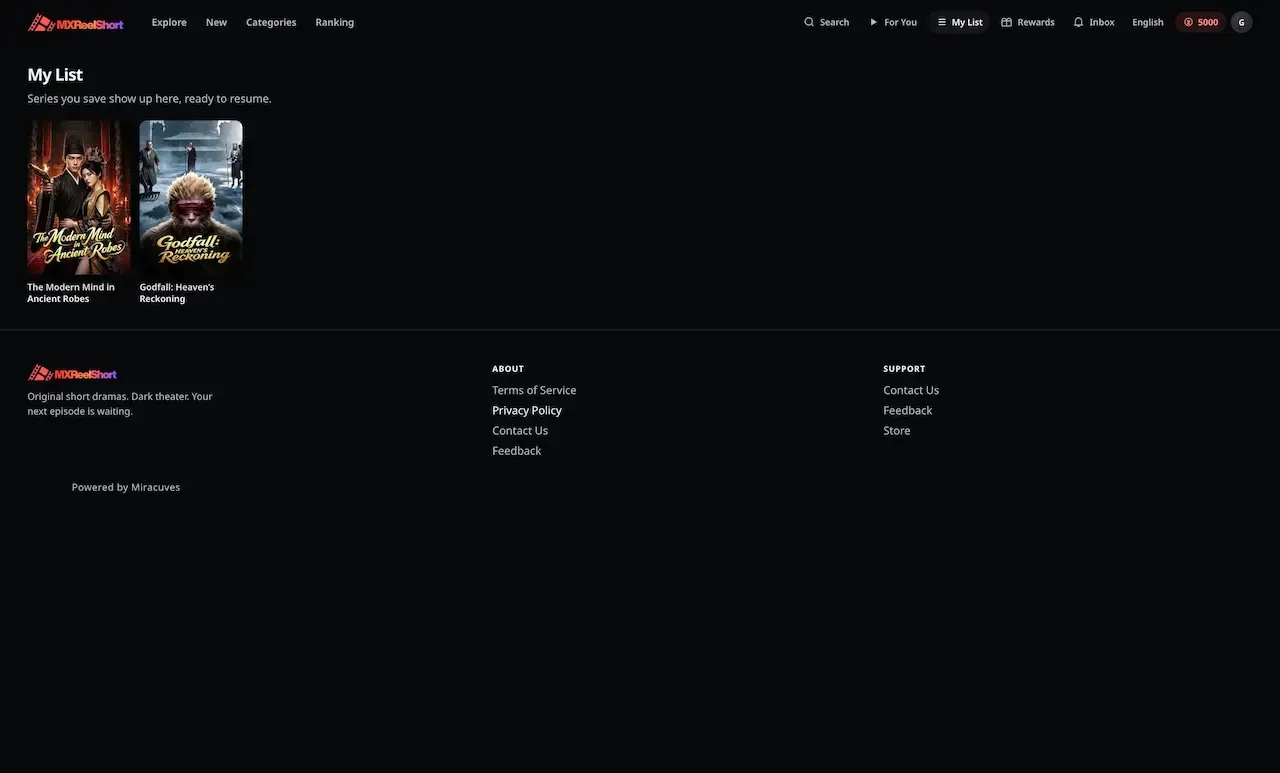
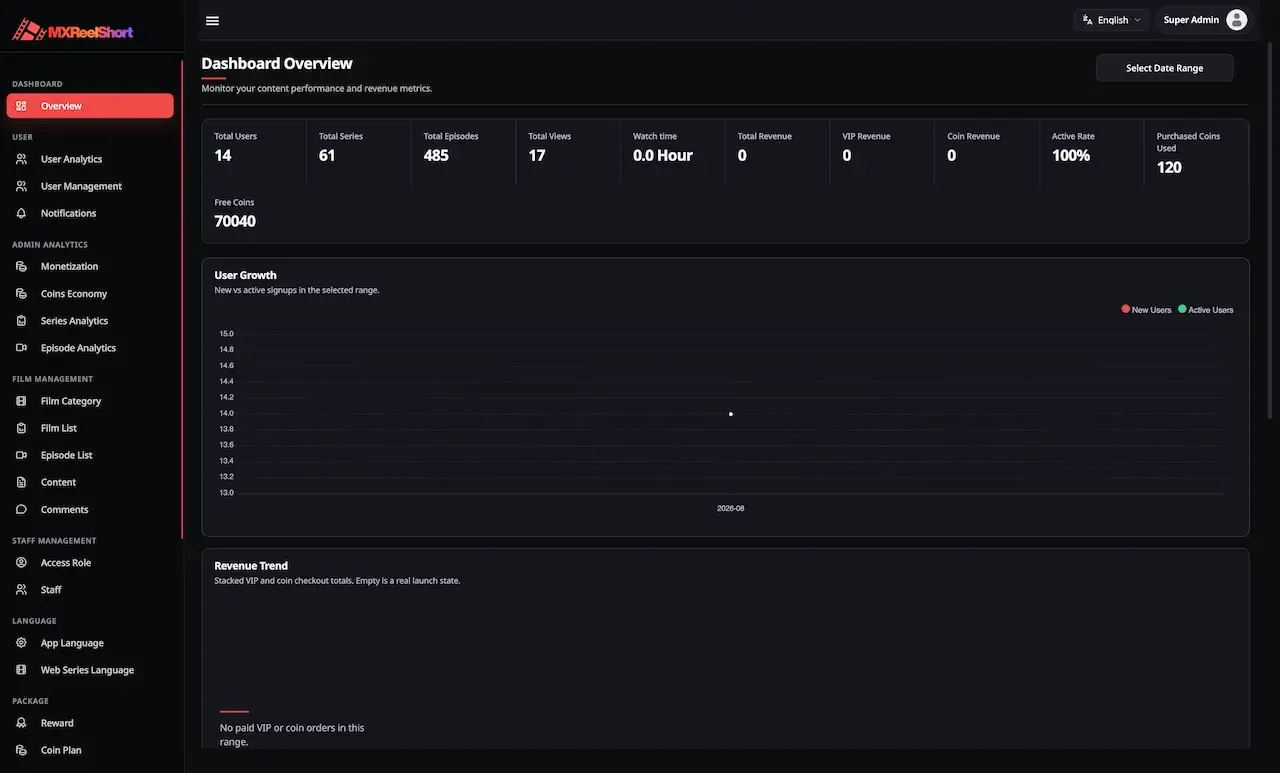
Real screens from the working product. Your platform ships rebranded with your name, logo and colors.
Admin panel 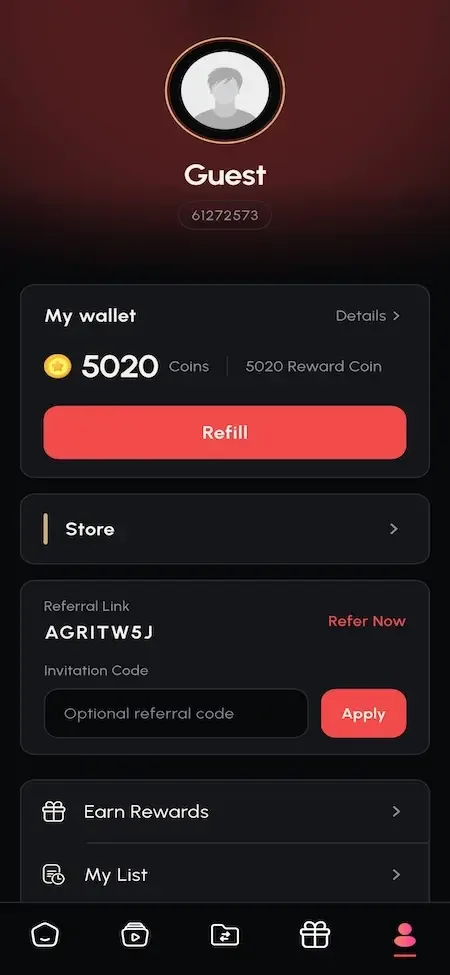
User app 
Web app 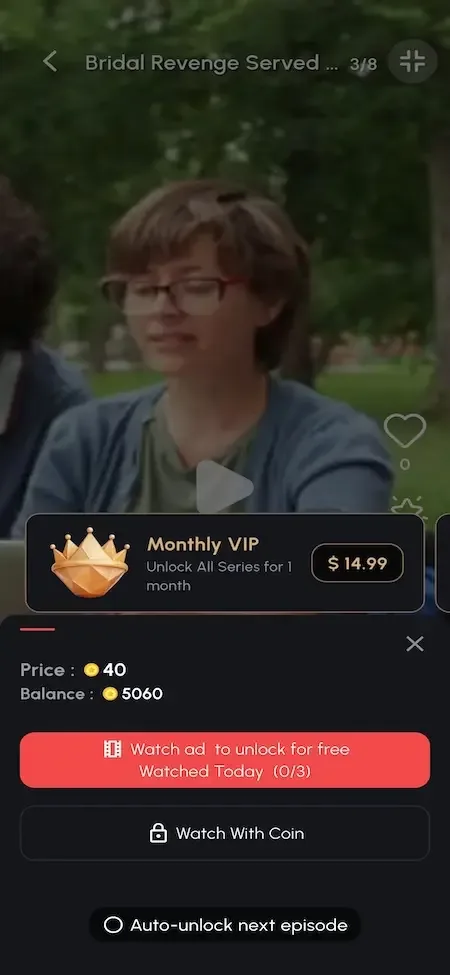
User app 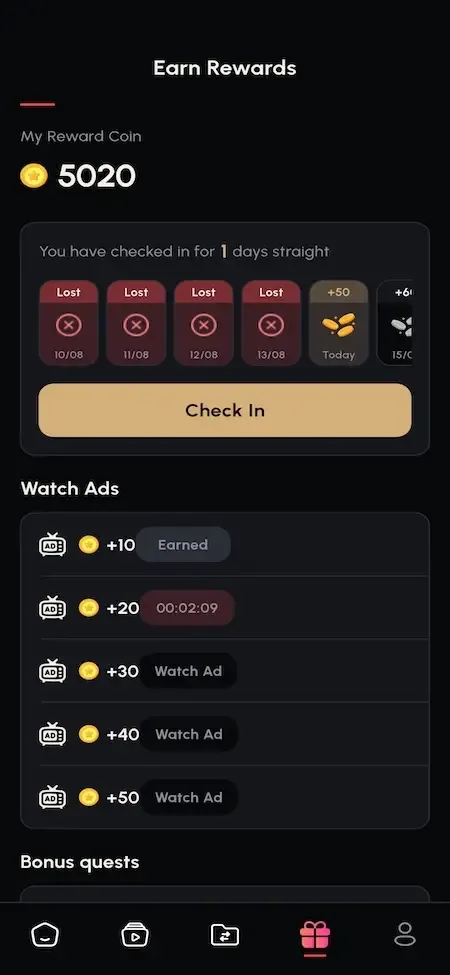
User app
How the ReelShort model works, in general terms
ReelShort is widely known as a vertical drama app where the opening episodes of a series are free and later ones are opened with coins. Viewers can also take a pass for unlimited access during a period, earn coins through daily check-ins and similar tasks, or watch ads in some cases. The catalog is built around stories written for short vertical episodes that end on a hook.
This description covers only the public pattern, not any company figures or internal practices. What an operator takes from it is a structure: free entry, a lock at the cliffhanger, several ways to pay, and a rewards loop to bring people back. The software here reproduces that structure, while the drama itself must be produced or licensed by you.
Which lever to use at each stage of the business
Turning every stream on at once is a common reason none of them works. The order below follows how the mechanics interact, and it is a judgment about sequencing, not a performance promise. Your content and market will shift it.
| Stage | Lever to use | Why |
|---|---|---|
| Launch | A generous free window and a few coin packs | Viewers must reach the lock invested, and you need a baseline before adding more levers |
| First weeks | Per-episode price tuning on the best titles | The series report shows where viewers stop paying, so you can adjust one price at a time |
| Traction | VIP windows and the check-in ladder | Heavy viewers become identifiable and a pass suits them, while the ladder brings the rest back |
| Growth | Rewarded ads on the store app, with a tight cap | Ads monetize viewers who never buy, without replacing the coin sales you already have |
| Maturity | Regional pricing, imports and licensing | These suit an operator with a stable brand, several markets or content partners to manage |
Three ways operators run this kind of service
The code is the same in each case, but the business behind it differs, and so do the settings you will use most and the people you will need to hire.
Studio with its own titles
A production team films vertical series and sells them through its own app. Coin spend on owned content carries the highest margin, because there is no licensor to pay. The risk is production cost and hit rate, so the console reports by series and by episode to tell you which stories earn back their cost.
Licensor-led regional service
A publisher or regional streamer licenses finished series per territory and competes on breadth. Here region chips, license windows and a mix of coins and VIP matter most, since licensors expect reports and territory control. A wide catalog helps a pass feel worth buying. The daily work is reconciling what each licensor is owed against series-level revenue, so the reporting screens matter as much as the player does.
Network of branded storefronts
A media group runs several brands from one library or licenses its deployment to partner operators. The valuable assets are the source code and the configuration discipline. Licensing income, separate branding per storefront and tight permissions for each team become the daily concerns. With permission modules split across four actions, a partner's team can be given the catalog and the reports while pricing and staff settings stay with you.
Distribution partner or reseller
Some operators have no production at all and sell the service into a niche audience, such as a language community, curating licensed series. Their edge is marketing and localization, so the five shipped locales, right-to-left layouts and editable client wording do most of the work. The risk is dependence on licensors, so a catalog spread over several rights holders is safer than one deal that can be withdrawn.
Monetization mistakes worth avoiding
Most of these are decisions made by instinct in the first week and discovered months later in the numbers. Each one has a setting in the platform that avoids it.
Setting the free window by feel
This single number decides how many viewers reach the lock and how invested they are when they do. Too short and they leave before caring, too long and the people who would have paid are already satisfied. Start small, change it in small steps and read the result.
Pooling free and paid coins
A single balance means you cannot expire a promotion without taking money someone paid. Keep reward and purchased coins separate, set the expiry before launch, and avoid changing it later on balances people already hold, which tends to prompt complaints.
Letting ads replace coin sales
Without a tight daily cap, a viewer who would have bought a pack watches an ad instead. Keep the cap low at launch and loosen it only when you can see ad income and coin income as two separate lines in your reports.
Charging the same for every episode
Price lives on the episode so it can follow the story. A flat price wastes the one lever that responds to cliffhangers. Charge less on the first locked episodes to ease the first purchase, and test a higher price on a finale.
Treating rewards as revenue
Check-ins, quests and referrals are a marketing budget paid in coins you issue. They exist to bring someone back tomorrow. Judge them by return visits and later purchases, not by the coins distributed, and cap their generosity before a cheap loop becomes a habit.
Launching without a catalog plan
The platform is the vending machine, and the drama is yours to make or license. A small set of strong titles with cleared rights will teach you more than a large uneven library. Plan content supply for the months after launch, not only the first week.
The first lever to touch
Start with the free window and the coin price per episode, in that order. They are the two settings that determine whether a viewer reaches the lock and whether the first purchase feels easy. Keep packs simple at the beginning, with two or three sizes and a modest bonus, and leave the more elaborate economy switches off until you have a baseline.
Then change one thing at a time and give it a few days. The series and episode reports show where viewers stop paying, which tells you whether to adjust a price, a story or the placement of the lock. Add VIP and ads only once you can see the coin line clearly, so you know what each new lever actually changed.
Try the live ReelShort Clone demo
The demo runs the product end to end: a viewer app on the web and on Android, plus a view-only operator console. It carries our demo branding and a seed catalog of royalty-free stills, so use it to judge the unlock flow, the wallet and the console, not the content.
-
Viewer web app
Open the Viewer web app demo- Login
webuser@demo.com- Password
User_$321
Worth trying
- Play the free episodes, then hit the first locked one
- Open the wallet and read the history behind the total
- Claim the daily check-in and look at the quests
- Unlock an episode, then check the same title in the app
-
Operator console
Open the Operator console demo- Login
admin@demo.com- Password
Admin_$321
Worth trying
- Open a title and look at how episodes are numbered and priced
- Read the coin packs and VIP plans screens
- Browse revenue by series and by episode
- Notice that edits are refused: this login is view-only
-
Android viewer app
Open the Android viewer app demo- Login
webuser@demo.com- Password
User_$321
Worth trying
- Watch an episode in the fullscreen vertical player
- Open the comment sheet over a playing episode
- Open the quests tab and the referral history
- Switch the interface language, including a right-to-left one
ReelShort Clone business model FAQs
Which stream should I expect to carry the business?
For most operators it is coin packs, with VIP windows growing in importance once heavy viewers show themselves. The reason is simple: coins capture the impulse buyer mid-story, while a pass captures the committed binger. Which one dominates depends on your catalog, pacing and market, so treat any ranking as a starting hypothesis and verify it in your own reports.
Can I sell coins and a pass at the same time?
Yes, and most operators do. A viewer on an active pass opens locked episodes without spending coins, while others keep buying packs. The risk is cannibalization: a pass priced too low can eat coin revenue. Watch your plan prices against typical coin spend per title, and revisit them once you have enough viewing history to compare.
Do reward coins count as revenue?
No. They are inventory you issue to encourage return visits, and they expire on a window you set. Revenue is what viewers pay for packs and plans, plus what the ad network pays you. The separate balances and typed ledger let you see issued coins apart from purchased coins, so your finance records can treat them differently.
Is it realistic to rely on ads alone?
It is a thin base. Ad income depends on completed reward views through your ad network account, and it is live only in the store app. Ads work best as a supplement that monetizes viewers who will never pay. Operators usually pair them with coins and a pass, using the title cap to keep the mix healthy.
What do I need before I can take real payments?
A merchant account with your chosen processor, completed onboarding, and your keys connected to the gateway switches in the console. For store apps you also need developer accounts, and store billing where the stores require it. These approvals run on their own timelines, so begin them early, ahead of the technical launch.
Can viewers withdraw unused coins?
By default, coins are spent on episodes and are not cash. The schema holds withdrawal records, and we can build a cash-out screen, payout desk and bank connection around them for your market and its rules. Many drama services never need it, since coins are a closed currency for watching.
Will you tell me how much revenue to expect?
We do not publish projections, since results depend on your titles, your free window, your marketing and your price points, which vary widely between operators. We can walk through the mechanics of each stream and help plan an order of experiments. Any figure offered without knowing your catalog would be a guess.
Explore the ReelShort Clone
The overview and its companion pages answer the main questions in turn. Pick the one you need next.
-
ReelShort Clone
The overview: live demo, screens, price and everything in the box.
Back to the overview -
Features
Short drama looks like a video product, yet the hard engineering sits behind the lock: pricing a single episode, keeping coins honest, and making the web app and the store app agree about what a viewer owns.
See the full breakdown -
Development cost
The software for a coin-based drama service costs less than the things around it: titles, encoding, bandwidth and store fees.
See exact pricing -
Development company
A vertical player is easy for any studio to demonstrate, so a good drama platform partner is the one who can explain how a coin is spent, who decides whether an episode is open, and what is still unfinished before you pay.
Compare options
→Start here
Tell us what you want to launch.
Share the platform and your market. You get a walkthrough of the live demo, the exact scope of what ships, and a fixed price in writing. First response in under 2 hours, Monday to Saturday, 10:00 to 19:00 IST.
Trademark and independence notice
This page uses the name ReelShort to describe a type of platform. The product sold here is separate software, built independently, and ReelShort has no part in it.
Why this name
"ReelShort clone" is industry shorthand that founders use when searching for software with a comparable business model. It names a category of product, not a copy of ReelShort.
Who built this
The platform is an original product designed and written by Miracuves. It contains no code, design, graphics or content originating from the ReelShort website or applications, and it ships under your own brand.
Trademarks
ReelShort and its logos are trademarks of their respective owner and are named here for reference only. GetFame is not affiliated with, sponsored by or endorsed by ReelShort. Rights holders can write to legal@miracuves.com.
Operator responsibility. The operator of a launched platform is responsible for legal compliance in the markets it serves. Nothing on this page is legal advice.Read the full disclaimer