Tinder Clone Business Model: How a Swipe Dating App Earns
A dating app earns by turning a free first experience into paid ways of getting noticed. This page explains the idea behind that, lists the revenue lines the platform supports and who pays for each, describes how the brand itself is widely understood to work, and suggests which levers to pull at each stage of a new app.
- 6
- revenue lines
- 2
- mobile apps
- $3,399
- one-time, no revenue share
On this page11 sections
- The idea behind a swipe dating business
- Revenue lines in the Tinder clone
- The Tinder Clone, on screen
- How Tinder is widely understood to earn
- Which revenue lever suits each stage of a dating app
- Three ways operators run a swipe app
- Common dating app monetization mistakes
- The first lever to switch on
- Try the live Tinder Clone demo
- Tinder Clone business model FAQs
- Explore the Tinder Clone
The idea behind a swipe dating business
A dating app sells attention, not content. Most members join for free and look for a reason to stay, and a smaller group pays to be seen by more people or to speak first. Success depends on there being enough active members in one place that a swipe is likely to lead to a match, because nobody pays for an empty app. The business is therefore a question of reaching a critical mass of active people before charging anyone much.
That is why the early work is about density rather than revenue. A single city with a full member base is worth more than a country with sparse ones. Paid features should sharpen the experience for people who are already active, and not block the free ones so tightly that they leave before they find anyone. Measure how quickly a new member receives a first match, because that number tells you whether your density is enough.
Once the base is active, the model branches: recurring plans for members who want reach, credits and gifts for members who want to stand out in a moment, and advertising for those who will not pay. The platform supports each, so the task is deciding the order and the price. Introduce them one at a time and watch how each changes behavior, since a change to pricing affects the free experience as well as the paid one.
Revenue lines in the Tinder clone
Each line below is a setting managed in the admin panel. They can run together, and a single member may use several of them over time.
Premium plans
Members pay a recurring fee for higher limits, such as unlimited swipes, profile boosts, changing location and wider visibility. Payment arrives per period through the store or your payment accounts. You keep it after fees, and your cost is the infrastructure serving that member. This is the steadiest income, but it depends on members seeing real results from paying, so the plan must improve their odds of a good match.
Credits
Members buy virtual currency and spend it on actions inside the app. Payment happens at the time of purchase, including through PayPal on Android and the website. The operator keeps the proceeds after fees, and unused credits are revenue already received. Credits suit members who dislike commitments, since they can pay for one action when they want it and nothing more.
Virtual gifts
A gift catalog lets members send something paid to show interest or to reward a live host. The sender pays with credits, and the operator earns on every gift. Because gifts feel personal, they tend to sell inside conversations and live sessions. A well-chosen catalog with a few low-priced items and a few special ones gives members a gesture for every moment and budget.
In-app purchases
Boosts, premium features and virtual items can be bought directly through the app stores. The store takes its fee, and you receive the rest. These purchases suit members who do not want a plan but will pay for one useful thing at the right moment. A boost bought on a Friday evening is a typical example, since the member wants more visibility right now.
Ad banners
AdMob banners earn from free members, with identifiers set in the admin panel and a consent form for ads. The advertiser pays through the ad network, and you receive a share from it. Premium plans can remove the banners, which gives free members a clear reason to upgrade.
Live streaming
Members can go live while viewers respond with gifts. The viewers pay, and the operator keeps the income. Sharing it with hosts is something we can set up, so decide early whether you want it, because it shapes who is willing to stream. Without a share, only members who enjoy the attention will host, so recruiting regular hosts usually means building payouts.
Local promotions
Managers can create regional discounts and trial periods to grow subscriptions in one market. Members pay a reduced price for a limited time, and the operator learns what works before rolling an offer out widely. A trial that ends in conversion shows the plan is worth its price, while one that ends in cancellation tells you the offer needs rethinking.
The Tinder Clone, on screen
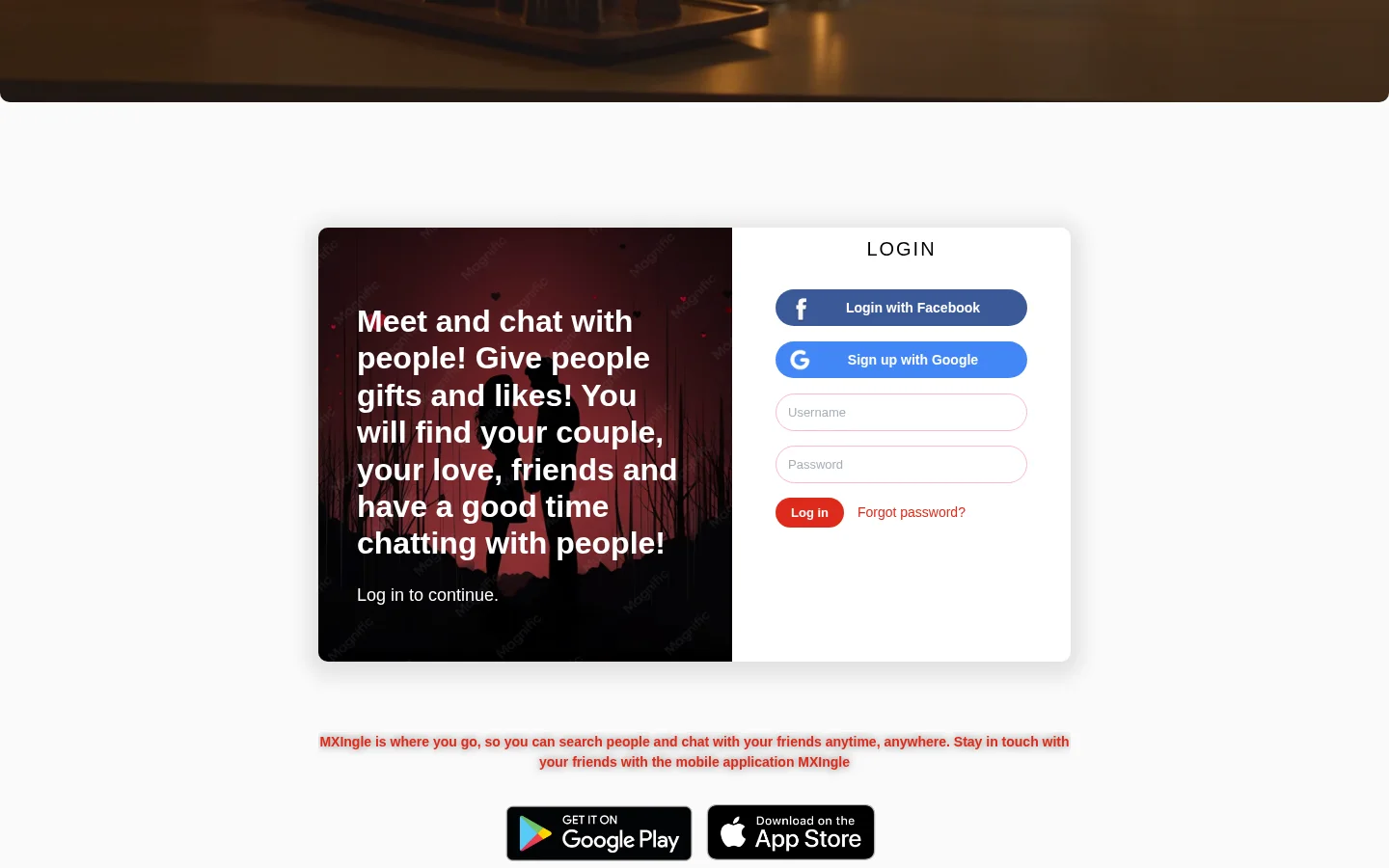
Real screens from the working product. Your platform ships rebranded with your name, logo and colors.
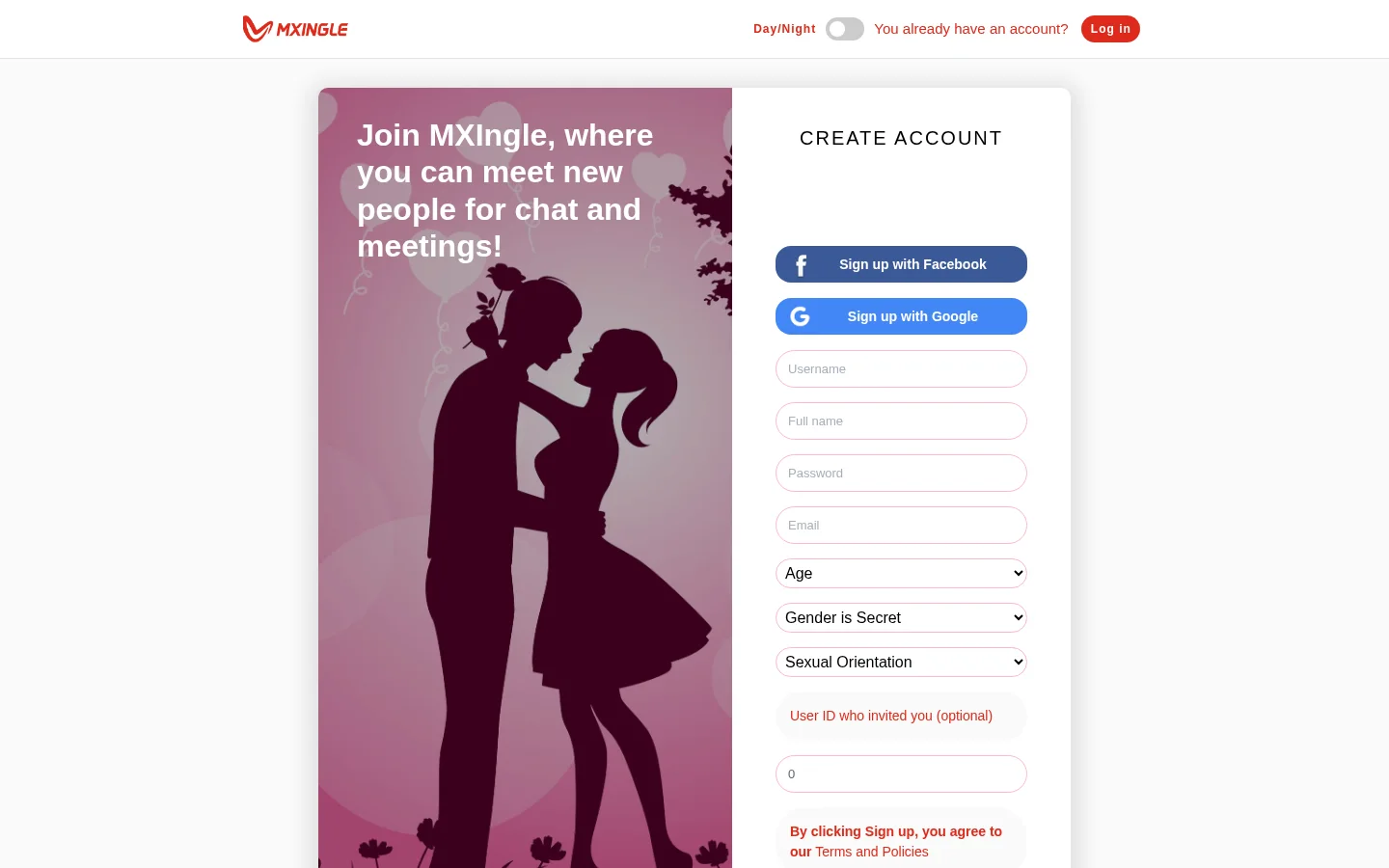
Web app 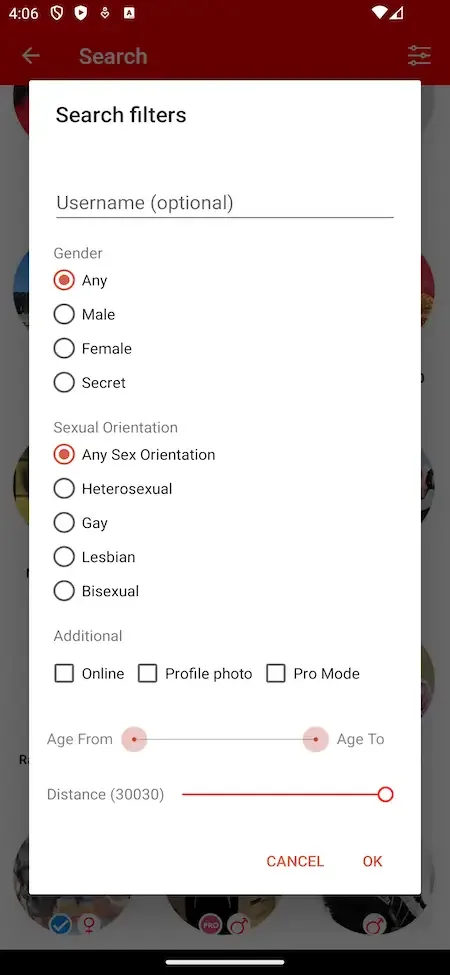
User app 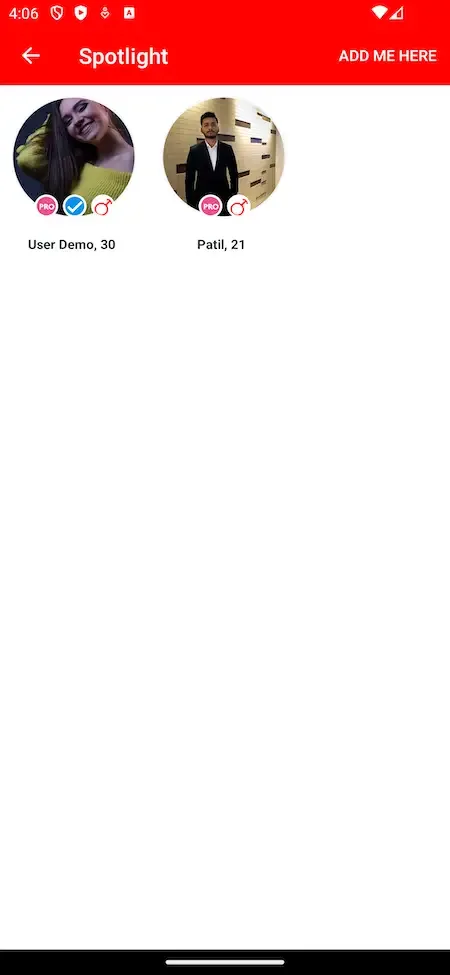
User app 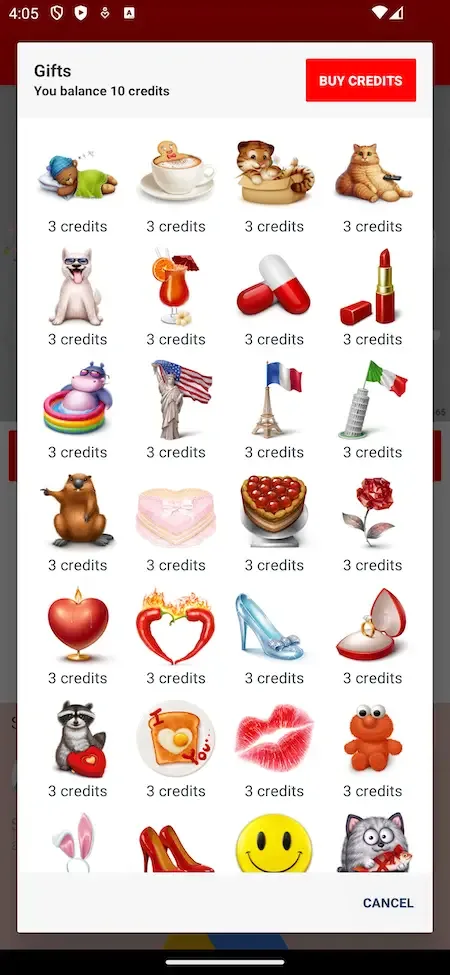
User app 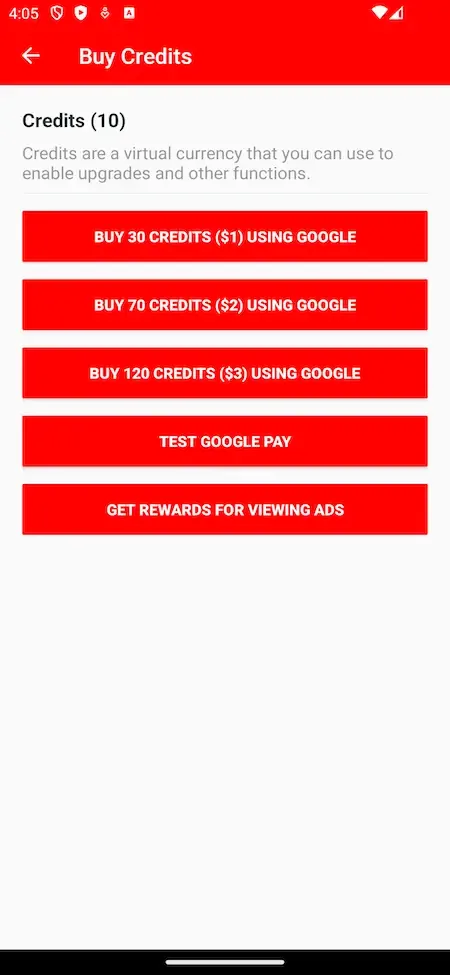
User app
How Tinder is widely understood to earn
Tinder is widely known as a free-to-start dating service built around swiping on nearby profiles, with a match only when both people like each other. It offers paid subscription tiers that add benefits such as extra visibility or fewer limits, along with one-off purchases like boosts, and it shows advertising to some members. The mutual-match rule is the core idea, since it spares members the discomfort of unreturned interest.
The point to take is the free start combined with several paid options of different sizes. A new operator rarely has the scale of a global service, so the useful lesson is to offer both a recurring plan and smaller purchases, and to build the app so that a free member still gets a real chance of a match.
Which revenue lever suits each stage of a dating app
The right lever depends on how many active members you have. Early on, protect the free experience, and add paid options as the base becomes dense enough to support them.
| Stage | Lever to use | Why |
|---|---|---|
| Pre-launch | Free access with a small seed community | You need enough active members that a swipe leads somewhere, before anything is for sale |
| First city live | Credits and a simple premium plan | Members who are active can pay for reach, and the options are easy to understand |
| Growing density | Gifts and live streaming | Social features give people reasons to stay longer and ways to pay inside the moment |
| Several regions | Manager-led local offers and trials | Each market learns what price works while central pricing stays consistent |
| Maturity | Ad banners and tiered plans | You earn from members who will not pay and separate casual users from heavy ones |
Three ways operators run a swipe app
The same revenue lines can be weighted in very different ways. Most operators end up resembling one of the following shapes, or a blend of two.
The city or country app
A single market launched with a local brand and local marketing. Premium plans and credits carry the revenue, and a regional manager handles moderation. The advantage is density and cultural fit, since the app can speak the local language and reflect local expectations about dating. You grow city by city, opening a new market only when the previous one is active enough to sustain itself.
The live and gifting community
Matching is combined with live streaming and virtual gifts, so the app feels social and not only transactional. Revenue leans on gifts and credits, and the work shifts to attracting hosts. Decide early how to reward them, as payouts to hosts are something we set up for you. Hosts also keep members opening the app throughout the day, which helps retention beyond matching alone.
The niche community app
A group defined by age, interest or background, served with filters and branding that fit it. The audience is smaller, but members are more committed and more willing to pay. Moderation matters especially, because a small community notices bad behavior quickly. A shared identity gives members a reason to stay, so word of mouth within the group can replace much of the advertising spend.
The agency white-label
A team deploys branded dating apps for clients, each with its own panels and payment accounts. The agency earns from setup and service, and each client earns from its members. Keep each deployment and its data separate to protect every client. Since each client holds its own accounts and credentials, an agency can walk away from one without disturbing the others.
Common dating app monetization mistakes
Most failures come from charging before the app is useful, or from ignoring safety. These are the patterns to avoid, along with what to do instead, so you can plan the first months of operation around them.
Charging before there is anyone to meet
Members who pay and find no matches will not return. Build density in one place first, and treat paid features as something that improves an already active app. A member who pays for a boost and still sees an empty feed will cancel and warn friends, which costs more than the fee earned.
Blocking free members too hard
If limits are so tight that free members never get a match, they leave and the paying base never forms. Keep the free experience genuinely useful, and let plans improve reach. Free members are also the audience that makes the app worth joining, so starving them damages the very thing paying members come for.
Ignoring moderation until later
Abuse and fake profiles spread quickly in a small community. Staff the manager and moderator roles from launch, and publish clear guidelines that members can find. One unaddressed incident in a city where everybody knows somebody can undo weeks of recruiting, so response speed matters more than volume.
Offering only one price point
A single plan leaves out members who want a small purchase. Combine a recurring plan with credits, gifts and boosts so that several kinds of member find something to pay for. Some will never commit monthly but will happily pay for a single gesture, and a variety of options captures them without pressuring anyone.
Over-relying on ads
Banners on a small audience earn little and can irritate members. Use them for free members, and put most of your effort into plans and credits. Premium plans that remove ads turn the banners into a gentle reason to upgrade, which is worth more than the small income they generate on their own.
Promising hosts income that is not built
If you tell streamers they can earn from gifts but have no payout flow, trust breaks quickly. Settle the rules and build the payout before you recruit hosts. Hosts talk to each other, so one broken promise about payment travels fast and makes recruiting the next group much harder.
The first lever to switch on
Begin with credits and one premium plan once your first city has an active base. Both are easy to explain, quick to test and require little extra staff. Credits let members pay for a single action without committing, while the plan gives you recurring income from the members who use the app daily. Keep the price points simple at the start, so the numbers tell you something clear about what members value.
Add gifts and live streaming after conversations are flowing, since they work best when members already know each other. Turn on ad banners for free members last, and give managers permission to run local trials once you see which offers work. Because each lever is a setting, you can reverse one quickly if members push back.
Try the live Tinder Clone demo
The demo is a running copy of the swipe dating platform with demo branding and sample members, so the look is not your final one. There is a member app, a manager app, a member web panel and an admin panel. Sign in as a member first, then open the manager app to see how reports reach your team. The sample logins are public demo accounts.
-
Member app
Open the Member app demo- Login
user@demo.com- Password
User_321
Worth trying
- Swipe through nearby profiles and make a match
- Open a chat and send a photo or a GIF
- Look at the gift and credit screens inside a conversation
- Check the privacy settings and the report option
-
Manager app
Open the Manager app demo- Login
manager@demo.com- Password
Manager_321
Worth trying
- Open the dashboard for the region assigned to the manager
- Find the list of flagged content and complaints
- Look for the local offers and the regional analytics
-
Member web panel
Open the Member web panel demoWorth trying
- Browse the public pages of the member website
- See how credits and premium plans are presented to members
- Compare the web layout with the mobile member app
-
Admin panel
Open the Admin panel demoWorth trying
- Look at user management and verification tools
- Open the plans, purchases and advertising settings
- Find roles and permissions for moderators and support staff
- Check the editable policy pages and the analytics views
Tinder Clone business model FAQs
How many members do I need before charging?
There is no fixed number, and nobody can give you one honestly. What matters is whether a typical new member in your city finds people to match with within a few sessions. Watch match rates and return visits in the admin analytics, and charge when those are healthy.
Can I give free trials?
Yes. Managers can create local discounts and trial periods for their region, and admins control overall plans. Trials work well for converting members who are already active, so use them after you can see that people return to the app.
Should I remove ads for paying members?
Premium plans can include an ad-free experience, which gives free members a visible reason to upgrade. It costs you the banner income from those members, so check that the plan price covers it. Many operators find the trade worthwhile.
Do credits expire?
Expiry and spending rules are part of how you configure and describe the credit system, and the rules you choose should be stated clearly in your terms. Local consumer rules about virtual currency vary, so confirm what applies in your market before you decide.
Can I sell to businesses or only to members?
The platform is built for member spending and advertising. Because you hold the source code, you can also deploy branded copies for clients, as an agency would. Check that each deployment has its own hosting and accounts.
Is live streaming necessary?
No. It is an optional layer for operators who want a more social product. Many launch with matching, chat, credits and a plan, and add live content later when they have members who want to host.
Do you take a share of what members spend?
No. The platform price is paid once, and we take no part of plans, credits, gifts, purchases or ad income. The store and payment processors still charge their fees on each sale, as they do for any app.
Explore the Tinder Clone
The overview and its companion pages answer the main questions in turn. Pick the one you need next.
-
Tinder Clone
The overview: live demo, screens, price and everything in the box.
Back to the overview -
Features
A swipe app lives on speed: a profile, a decision, and a conversation as soon as both sides agree.
See the full breakdown -
Development cost
Building a swipe dating app from nothing is a long project with many parts: matching, chat, location, payments, moderation and apps for two phone systems.
See exact pricing -
Development company
Any developer can show you a stack of cards that moves.
Compare options
→Start here
Tell us what you want to launch.
Share the platform and your market. You get a walkthrough of the live demo, the exact scope of what ships, and a fixed price in writing. First response in under 2 hours, Monday to Saturday, 10:00 to 19:00 IST.
Trademark and independence notice
This page uses the name Tinder to describe a type of platform. The product sold here is separate software, built independently, and Tinder has no part in it.
Why this name
"Tinder clone" is industry shorthand that founders use when searching for software with a comparable business model. It names a category of product, not a copy of Tinder.
Who built this
The platform is an original product designed and written by Miracuves. It contains no code, design, graphics or content originating from the Tinder website or applications, and it ships under your own brand.
Trademarks
Tinder and its logos are trademarks of their respective owner and are named here for reference only. GetFame is not affiliated with, sponsored by or endorsed by Tinder. Rights holders can write to legal@miracuves.com.
Operator responsibility. The operator of a launched platform is responsible for legal compliance in the markets it serves. Nothing on this page is legal advice.Read the full disclaimer