Bumble Clone Business Model: Earning From a Trusted Dating Community
In a safety-first dating app, trust is not a feature on the side. It is the reason members stay, and members who stay are the ones who pay. This page explains that logic, lists the revenue lines the platform supports and who pays for each, describes how the brand is widely understood to work, and suggests an order for switching them on.
- 6
- revenue lines
- 3
- staff role types
- $3,399
- one-time, no revenue share
On this page11 sections
- Why trust is the engine of the model
- Revenue lines the Bumble clone supports
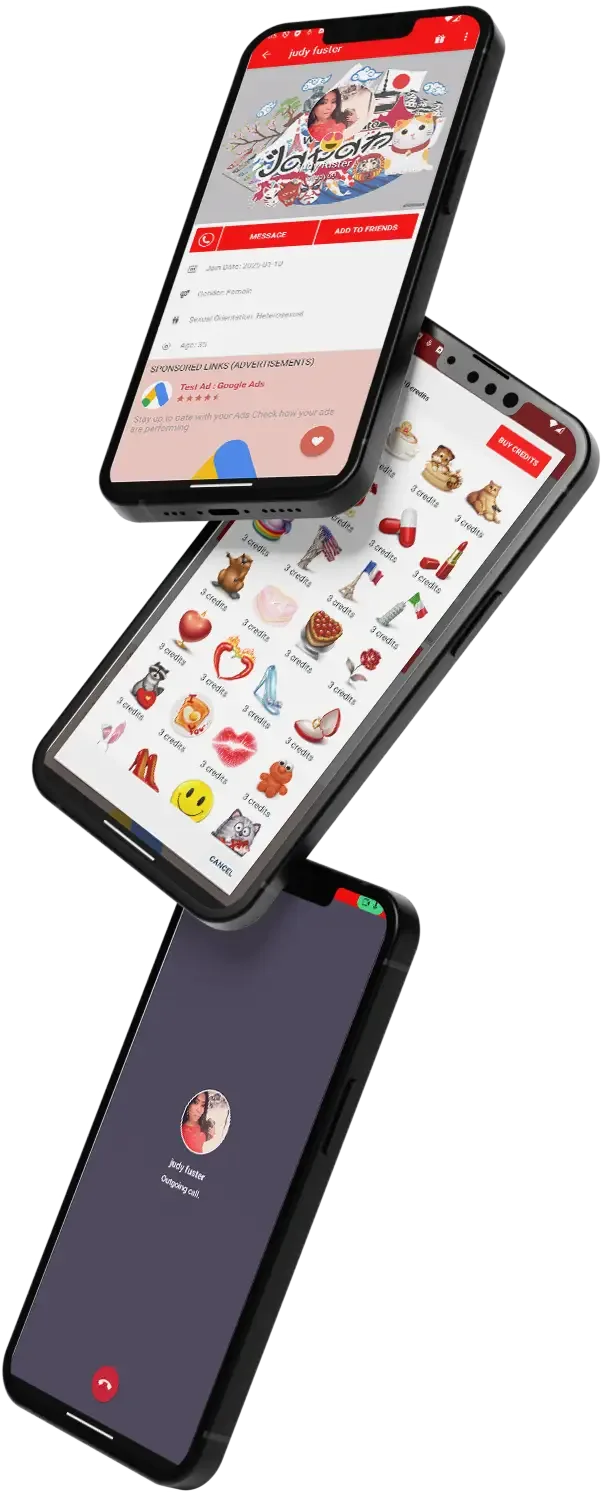
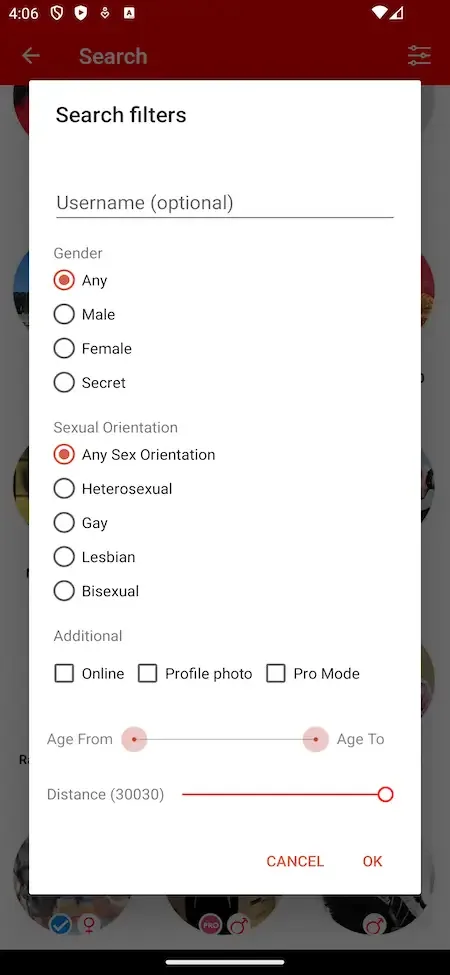
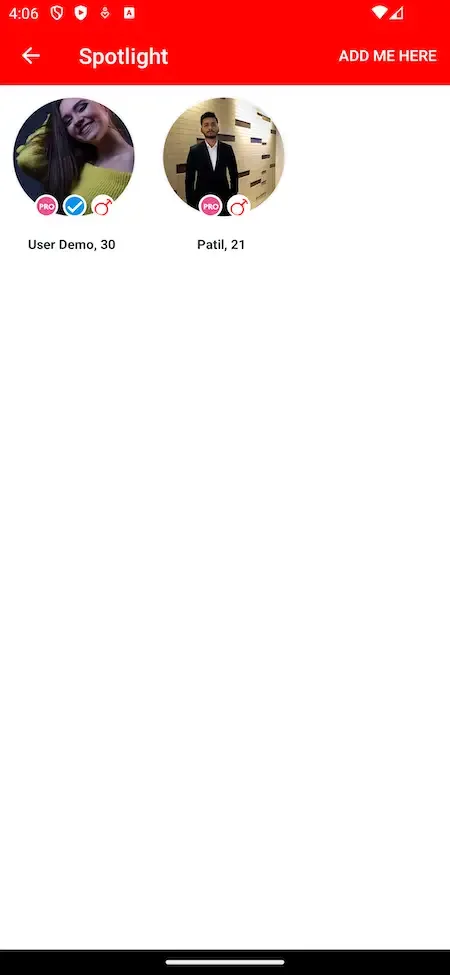
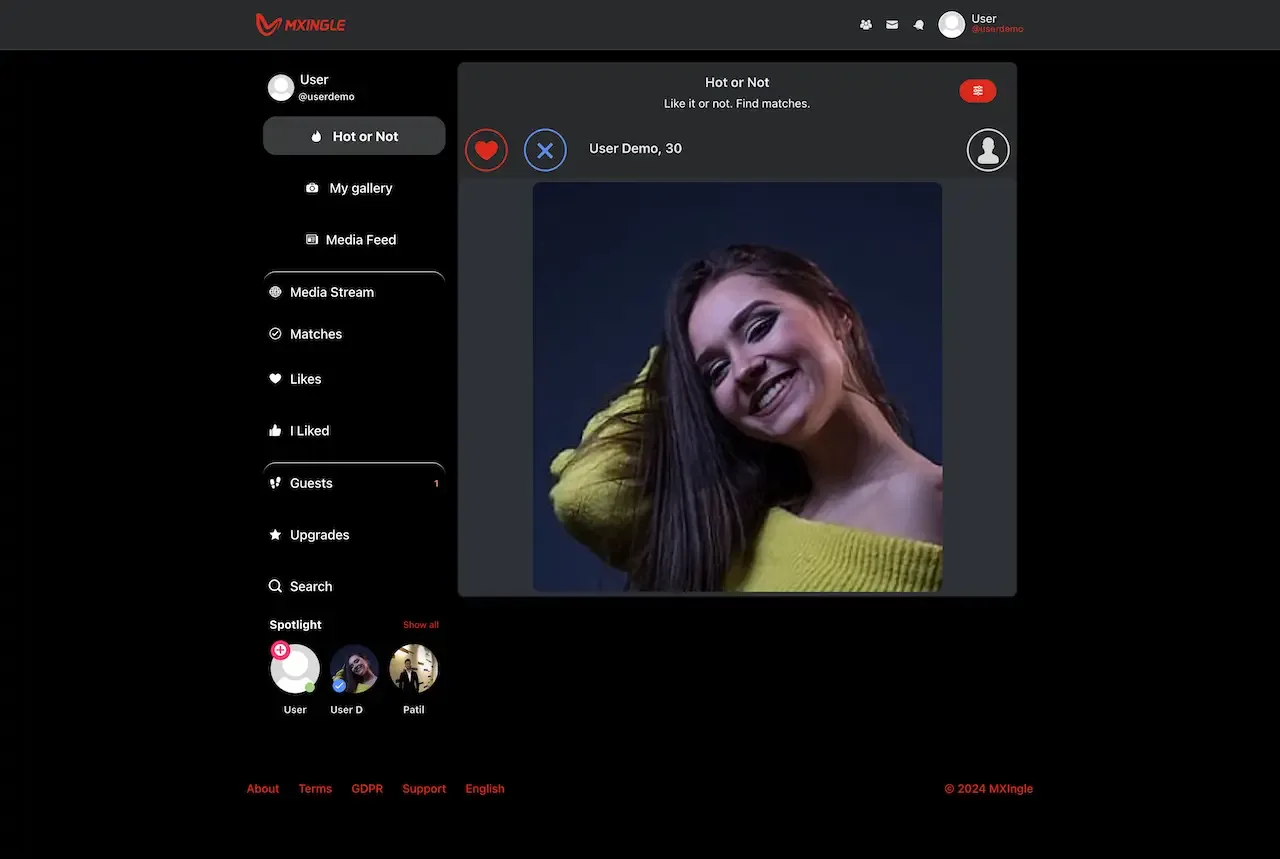
- The Bumble Clone, on screen
- How Bumble is widely understood to work
- Matching revenue levers to your stage
- Three ways operators run a trust-first dating app
- Mistakes that damage a trust-first dating model
- The first lever to switch on
- Try the live Bumble Clone demo
- Bumble Clone business model FAQs
- Explore the Bumble Clone
Why trust is the engine of the model
Members leave a dating app for two reasons: they find nobody, or they feel unsafe. The first can be fixed with marketing in one city. The second is harder, because once members believe a community tolerates bad behavior, they stop recommending it, and recommendation is the cheapest source of new members a dating app has. A single unpunished incident that circulates among friends can cost more growth than a month of advertising can buy back.
So a trust-first operator treats moderation as a growth cost, not as overhead. Verified profiles, quick responses to reports and clear policies are what make a member comfortable enough to spend. Revenue then grows as a result of retention, since people who feel safe stay long enough to want extra reach or extra options. The spending follows the comfort, which is why the order of your launch steps matters so much.
That shapes how the revenue lines are used. Paid features should improve visibility and convenience, and should never ask members to pay for basic protection. The platform supports plans, credits, gifts and offers, and the model succeeds when each of them sits on top of a community that already feels safe. If a feature makes a member feel they must pay to be treated well, remove it, however much it earns.
Revenue lines the Bumble clone supports
Every line is a setting managed in the admin panel. They can run side by side, and the same member may use several of them over time.
Premium plans
Members pay a recurring fee for tiers that lift limits on swipes, boost profiles, allow location changes and add analytics. The charge arrives per period through the store or your payment accounts. You keep it after fees, and the cost on your side is infrastructure and support for that member.
Virtual currency
Members buy credits and spend them inside the app. Payment happens at purchase, including through PayPal on Android and the website. The operator keeps the proceeds after fees, which makes credits a flexible option for members who prefer not to subscribe. Credits also let you price small actions individually, so a member can try a paid extra once without committing to a recurring plan.
Gifts
A gift catalog gives members a paid way to start or deepen a conversation. The sender pays with credits and the operator earns on each gift. In a trust-first app, keep gifts optional and clearly labeled, so that nobody feels pressured to buy. Gifts tend to work best once conversations are already flowing, so switch them on after the core matching experience has proven itself in your first city.
In-app purchases
Boosts, premium features and virtual items can be bought through the app stores. The store takes its fee and you receive the rest. These suit members who want one helpful extra without committing to a plan. A boost bought on a Friday evening, when activity is high, is a natural impulse purchase, and it stays comfortable because it adds reach without taking anything away from other members.
Advertising banners
AdMob banners earn from free members, with identifiers set in the admin panel and a consent form shown for ads. The advertiser pays through the ad network. Premium plans can remove the banners, giving free members a clear reason to upgrade. Keep banners out of the most sensitive screens, such as conversations and reports, so advertising never competes with the moments members care about most.
Regional offers and trials
Managers can offer discounts and trial periods in their own region and watch the revenue that results. Members pay less for a limited time, and the operator learns which offers work in each market before using them more widely. A trial in one city that raises plan sign-ups, without raising reports, is a strong sign that the same offer can be tried in the next market.
The Bumble Clone, on screen
Real screens from the working product. Your platform ships rebranded with your name, logo and colors.
Web app 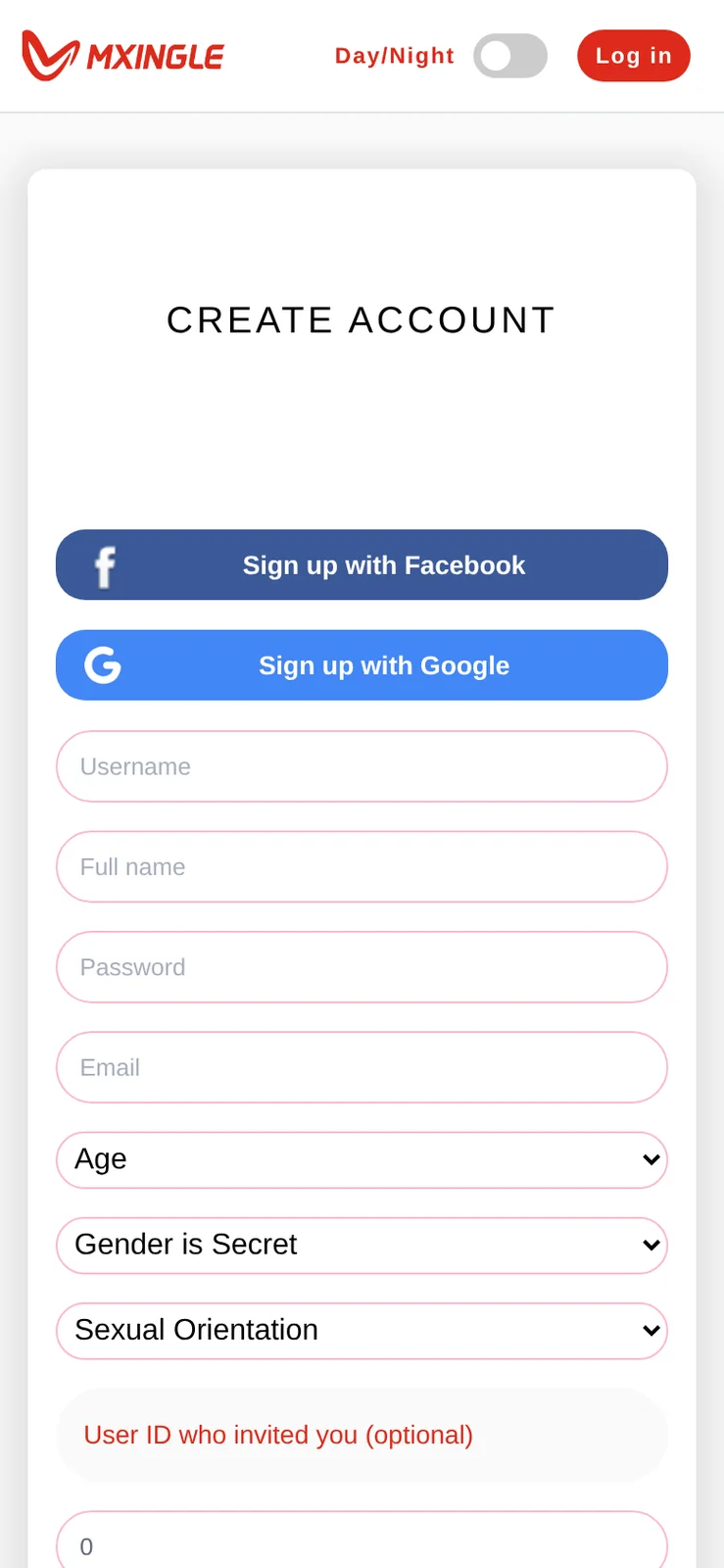
Web app 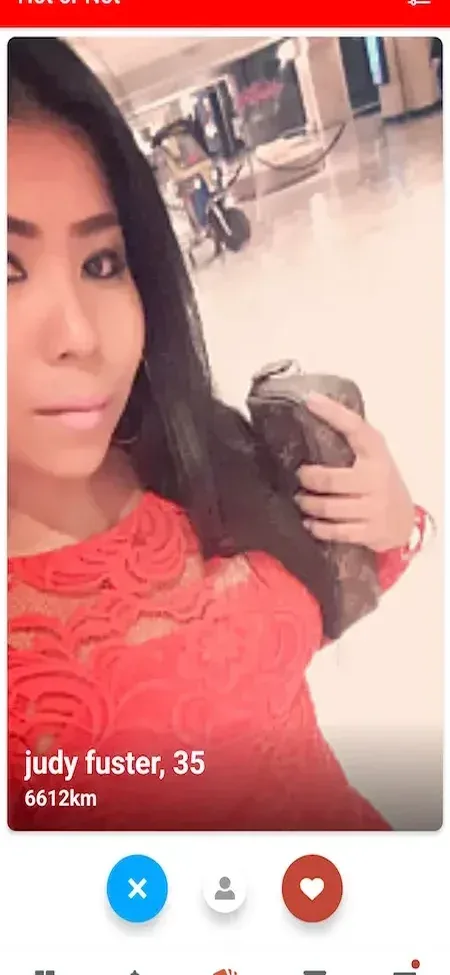
User app 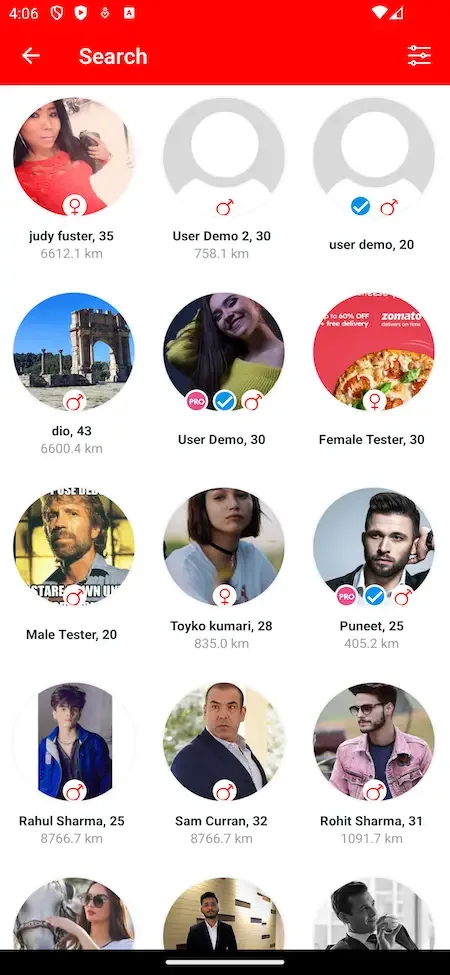
User app 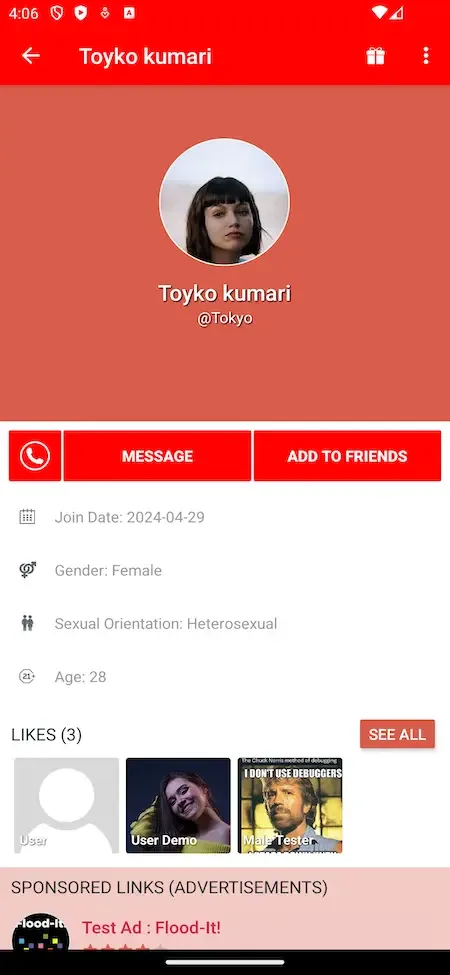
User app
How Bumble is widely understood to work
Bumble is widely known as a dating service where, in matches between men and women, the woman sends the first message, and for presenting safety and respectful behavior as part of its identity. It also offers modes for friendship and professional networking. Members can use it free and pay for subscriptions and extra features. That combination of a clear rule, a stated attitude and a free entry point is what many newer dating brands try to imitate.
What an operator can learn is the link between a clear rule and a clear audience. A distinctive way of starting conversations draws a particular community, and a visible safety stance keeps it. This platform gives you the safety machinery, and the first-move rule is something we set up if your concept calls for it. Decide which rule your own community will recognize, and write it into your guidelines so that members know what to expect.
Matching revenue levers to your stage
A trust-first app should earn only as fast as it can keep its community safe. Each stage below adds revenue once the previous one is working.
| Stage | Lever to use | Why |
|---|---|---|
| Pre-launch | Verification, policies and a first manager in place | Trust has to exist before the first member arrives, because it is hard to rebuild afterward |
| First city live | A simple premium plan and credits | Active members can pay for reach, and the options are easy to explain |
| Proving retention | Regional trials led by managers | You test offers locally and see which ones keep members without discounting everywhere |
| Expanding regions | Add managers per region, then gifts | Local oversight scales safety, and social features add spend inside conversations |
| Maturity | Ad banners and tiered plans | You earn from members who will not pay and segment heavy users from casual ones |
Three ways operators run a trust-first dating app
The same revenue lines can support very different businesses depending on the audience and the market you choose. Most operators resemble one of the shapes below, or a mix of two, and it helps to pick your lead shape before you decide on prices or staffing.
The safety-led local brand
A single city or country launched with trust as the message. Verification, visible reporting and published policies are central to marketing. Premium plans carry the revenue, and a regional manager keeps response times short. Reputation grows through word of mouth, which is cheap but slow to build. Publishing how reports are handled, and how quickly, turns your moderation into something members can see and repeat to friends.
The women-first concept
An app that gives women the first move and builds a community around that idea. We set the rule up on top of the ready-made build, and moderation matters even more, since the concept promises a comfortable experience. Plans and credits earn, and the brand carries the message.
The relationship-focused community
An app for people seeking lasting connections, using filters and profile clips to show personality. Members are fewer and more committed, so retention and plans matter more than gifts. Staff attention goes to profile quality and to removing people who are not serious. A profile with a short video and clear intentions filters out casual browsers, which keeps the community small and the matches meaningful.
The regional network
An operator who gives each city or country a manager and tests offers locally. Revenue comes from plans tuned per market, and the managers act as local teams. It scales well if the central policies stay consistent. Share what each manager learns with the others, since a trial that works in one city is a cheap experiment to copy rather than a new project to design.
Mistakes that damage a trust-first dating model
These errors come from charging for the wrong things or from letting moderation fall behind growth. Each is easier to prevent than to repair.
Selling safety as a paid extra
Putting reporting, blocking or verification behind a plan tells members that protection is optional. Keep safety tools free for everyone, and sell reach and convenience instead. Members who cannot afford the plan are exactly the ones most likely to be harmed, and when they leave they tell others that your app charges for basic safety.
Growing faster than moderation
Adding members without adding managers lets complaints pile up and trust decay. Match staffing to sign-ups, and slow marketing in a region when the report queue grows too long. Watch the time between a report and a decision, since a rising delay is the earliest warning that your community is outgrowing your team.
Vague community guidelines
Managers cannot act consistently on vague rules, and members cannot follow them. Write guidelines with concrete examples, and keep them in the editable policy pages where members can read them. Add a new example whenever a case surprises your team, so that the next manager facing the same situation reaches the same decision.
Treating verification as a badge only
A verification mark that is easy to obtain misleads members. Decide what a check actually proves, say so in your policy, and review the process if scams appear. If a scammer can earn the badge, members will trust the wrong person more than before, so a weak check can do more harm than having no badge.
Discounting everywhere at once
Blanket discounts teach members to wait for the next sale and cheapen the plan in the eyes of those who already pay. Use manager-led regional trials to learn where an offer actually helps, and keep prices steady everywhere else.
Copying a rule without enforcement
A first-move rule or expiry timer changes how people behave, and it needs notices and support when members hit its edges. Prepare the explanations and the support routine before launch. Members will ask why a match disappeared or why they cannot write, so draft the answers in advance and test the rule with a small group first.
The first lever to switch on
Begin with trust, not with revenue. Verify profiles, publish your guidelines in the policy pages, appoint at least one manager for your launch region and test the report path yourself. Only then turn on one premium plan and credits, so that the first people to pay arrive in a community that already behaves well. File a test report from a spare account and follow it through, since the experience of the report process is itself a product.
After that, use manager-led trials to learn which offers keep members, add gifts once conversations are flowing, and bring in ad banners for free members last. Every lever is a setting in the admin panel, so you can reverse one quickly if members respond badly. Add one change at a time and watch reports as well as revenue, so that you notice if a new lever harms the atmosphere you worked to build.
Try the live Bumble Clone demo
The demo is a running copy of the dating platform with demo branding and sample members, not your finished look. It includes a member app, a manager app, a member web panel and an admin panel. Because trust is the point of this build, open the manager app and the admin panel as well as the member app. The sample logins are public demo accounts.
-
Member app
Open the Member app demo- Login
user@demo.com- Password
User_321
Worth trying
- Browse suggested profiles and open one to read it fully
- Find the report and block options on a profile
- Open privacy settings and see what a member can restrict
- Match, then move into a conversation with a photo
-
Manager app
Open the Manager app demo- Login
manager@demo.com- Password
Manager_321
Worth trying
- Open the dashboard for a region and read its complaint list
- See how flagged content is reviewed and acted upon
- Look at the analytics and offers available to a manager
-
Member web panel
Open the Member web panel demoWorth trying
- Read the public pages and the policy text shown to members
- See how plans and credits appear on the website
- Compare the web layout with the member app
-
Admin panel
Open the Admin panel demoWorth trying
- Open profile verification and the ban and suspension tools
- Create or inspect a staff role and its permissions
- Edit a policy page and see where the change appears
- Check security settings and the revenue and analytics views
Bumble Clone business model FAQs
Can I charge for verification?
You can, since plan and purchase settings are yours. We advise against it, because a paid check makes safety look like a luxury and can discourage the members you most want. A free, clearly explained verification process builds trust, and trust is what the rest of your model depends on.
How do I know my community is safe enough to charge?
Watch the admin analytics for rising report volumes, slow resolution and falling activity in a region. If reports are handled quickly and members keep returning, you are in good shape. If not, add managers or slow growth before adding paid features.
Do managers earn from the platform?
The platform does not pay managers. They are staff or partners you appoint and compensate under your own arrangement. Managers can run local offers and see regional revenue, which helps you design incentives, but the pay terms are between you and them.
Can I run an invitation-only launch?
You can control who gets in through verification and the way you market the app, which suits a safety-led launch. We can set up a hard invitation system, so ask us if you need one. Many operators start small by marketing in one neighborhood.
Are ads a good fit for a trust-first app?
They can be, if used lightly. Banners on free members earn a modest amount, and removing them is a clear premium benefit. Avoid placements that distract from conversations or look like messages, since confusion damages the trust that you are building.
What if I want a friendship mode?
We can add friendship or networking modes. We set them up to your design as tailored work, because they need separate filters and rules. Launch with dating first, learn your members, and add a mode when you have demand for it.
Do you share in my earnings?
No. The platform price is paid once, and we take no part of plans, credits, gifts, purchases or ad income. The stores and payment processors still charge their normal fees on each sale. What members pay in subscriptions and credits stays in your accounts, and what you owe to others, such as hosting or moderators, is paid from that income by you.
Explore the Bumble Clone
The overview and its companion pages answer the main questions in turn. Pick the one you need next.
-
Bumble Clone
The overview: live demo, screens, price and everything in the box.
Back to the overview -
Features
In a dating product, safety features are not an extra: they decide whether members stay.
See the full breakdown -
Development cost
Moderation tools, staff roles and verification take as much building as the swipe itself, and they are the parts custom projects tend to postpone.
See exact pricing -
Development company
A dating app that fails on safety fails completely, so choose the provider by how it handles the awkward cases: a report at midnight, a fake profile, a member who disputes a ban.
Compare options
→Start here
Tell us what you want to launch.
Share the platform and your market. You get a walkthrough of the live demo, the exact scope of what ships, and a fixed price in writing. First response in under 2 hours, Monday to Saturday, 10:00 to 19:00 IST.
Trademark and independence notice
This page uses the name Bumble to describe a type of platform. The product sold here is separate software, built independently, and Bumble has no part in it.
Why this name
"Bumble clone" is industry shorthand that founders use when searching for software with a comparable business model. It names a category of product, not a copy of Bumble.
Who built this
The platform is an original product designed and written by Miracuves. It contains no code, design, graphics or content originating from the Bumble website or applications, and it ships under your own brand.
Trademarks
Bumble and its logos are trademarks of their respective owner and are named here for reference only. GetFame is not affiliated with, sponsored by or endorsed by Bumble. Rights holders can write to legal@miracuves.com.
Operator responsibility. The operator of a launched platform is responsible for legal compliance in the markets it serves. Nothing on this page is legal advice.Read the full disclaimer