Clapper Clone Business Model: Earning From Live Community and Regulars
A live community earns from belonging more than from reach. This page lays out the revenue levers built into the platform, how each one depends on live rooms and loyal members, what the original app is known for, the order in which to switch the levers on and the mistakes that empty a community faster than any competitor can.
- 7
- revenue levers built in
- $3,999
- one-time platform price
- 0%
- revenue share to us
On this page11 sections
- People pay for a place where they are recognized
- How a live community platform earns
- The Clapper Clone, on screen
- What Clapper is known for, and what that means for you
- Which lever to use at each stage of a community
- Ways operators run a live community
- Mistakes that empty a community app
- Which lever to switch on first
- Try the live Clapper Clone demo
- Clapper Clone business model FAQs
- Explore the Clapper Clone
People pay for a place where they are recognized
In a clip-only app a viewer is a face in a crowd. In a live community the same person is a regular in a room, known by the host and by other members. That recognition is the thing people pay for, whether they buy a gift to be noticed, join a fan club to belong or buy a ticket to attend a show. Operators who understand this stop measuring success by total views and start measuring by how many people return to the same room.
This changes where the money comes from. Reach matters less than frequency, and a small community of devoted members can outearn a much larger crowd of casual viewers. The most valuable members are the ones who show up to the same host week after week, so the model rewards habits, schedules and trust far more than viral spikes. It also changes pricing: a small fee from many devoted members is steadier than a large single purchase from a stranger, which is why recurring access and repeat gifts outperform one-off spends over time.
It follows that your job as operator is to make recognition easy and safe. Fill rooms with hosts who show up on a timetable, give regulars ways to be seen and to support the people they like, and keep the room civil. The revenue levers are built into the product, but they only work when the community under them is healthy. In practice this means giving every new host a schedule, a short welcome routine and a moderator for the first few weeks, because a room that starts well tends to keep its regulars while a poor first night rarely recovers.
How a live community platform earns
Each lever below is a working module managed from the admin panel. For every one, the useful questions are who pays, at what moment and what share remains with you after the host is credited.
Live gifting
During a show, members spend purchased coins on gifts and stickers for the host. The platform keeps a commission before the host wallet is credited, at a rate you set. Because it needs nothing more than an engaged room, it is the first lever to switch on and the one that carries the early months.
Coin sales
Every paid action in the app starts with a coin purchase, so each bundle is a transaction you can price and promote. You keep the margin on coin sales after gateway and store fees, which makes bundle design and timing of offers a real commercial skill. Promote a first-purchase bundle to every new member, since the hardest purchase to win is the first, and later ones follow once a balance already exists.
Fan clubs
Loyal regulars sign up to a host fan club, a membership that renews and is priced in coins. The payment repeats on renewal and you keep a platform share each time. It converts the most loyal members into steady income for the host and for you, once a host has a following worth joining.
Paid sessions and replays
A host charges for entry to a show, or sells the recording afterward to those who missed it. The member pays for the experience and you take your cut of tickets and replay sales. A recorded session keeps earning long after the live moment has passed. Offer the host a small share of replay sales as well, because a host who benefits from the recording will promote it to fans who missed the night.
Sponsorships
A brand sponsors a host, a show or a community challenge, using structured sponsorship slots. The brand pays a fee per deal, and you keep it after any share you promised the host. Sponsors value a defined audience, which communities have and general feeds do not. Define what the sponsor gets, such as mentions, a banner or a segment, before the deal is signed, so a brand does not feel it paid for more than it received.
Advertising
Creator campaigns, in-app placements and rewarded mobile ads are set up from the admin panel. The advertiser pays against reach and you keep the fees. It needs a large enough audience to interest buyers, so it comes after the levers that rely on loyalty. If you do open it, keep frequency low inside live rooms, since interruptions in the middle of a conversation cost you the members the sponsors came to see.
Live commerce
A host shows products on camera mid-stream and puts time-limited offers in front of the room. The buyer pays and you take a commission on what is sold through the platform. It works best when the host already has the trust of the room, which is exactly what a community builds.
The Clapper Clone, on screen
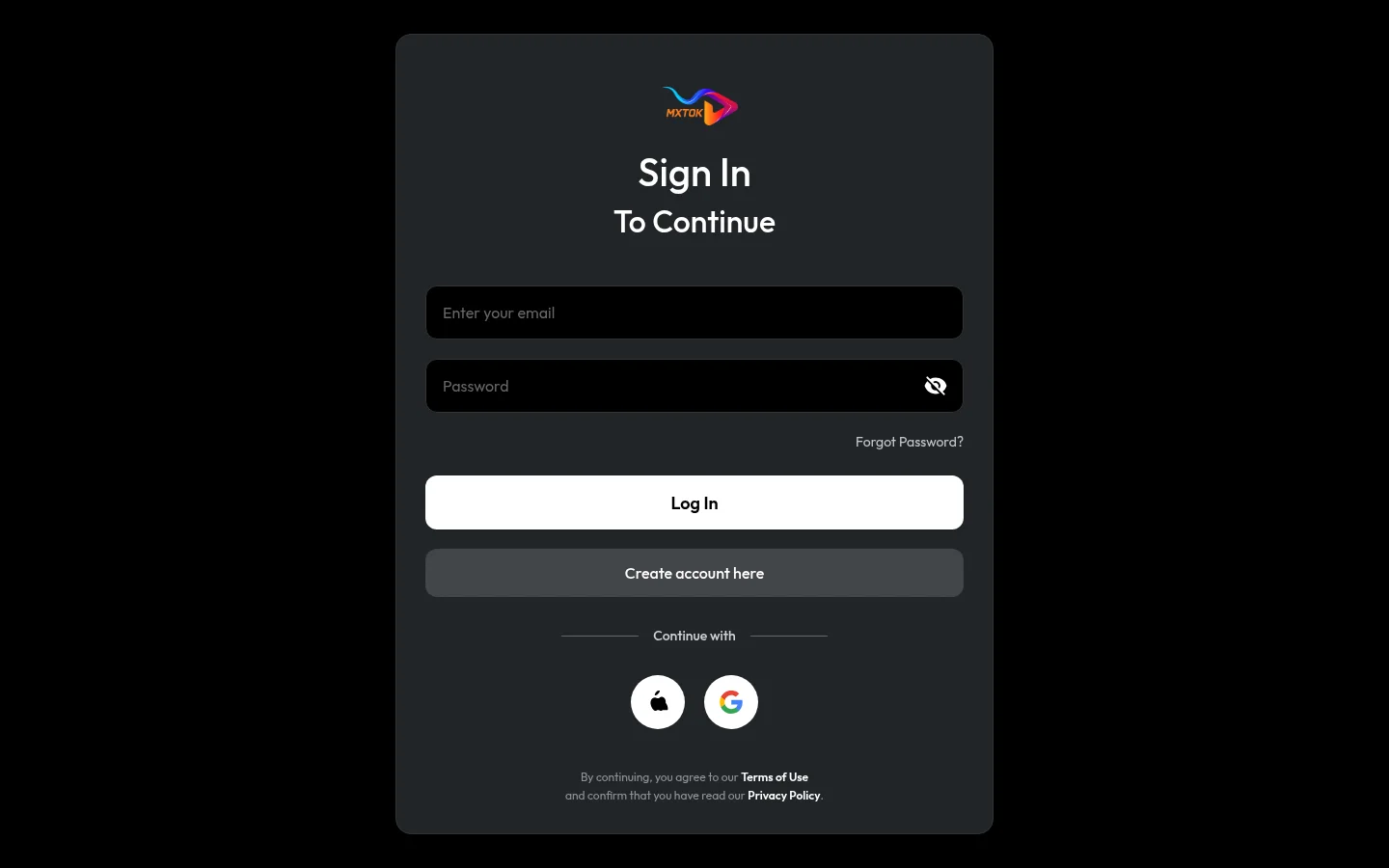
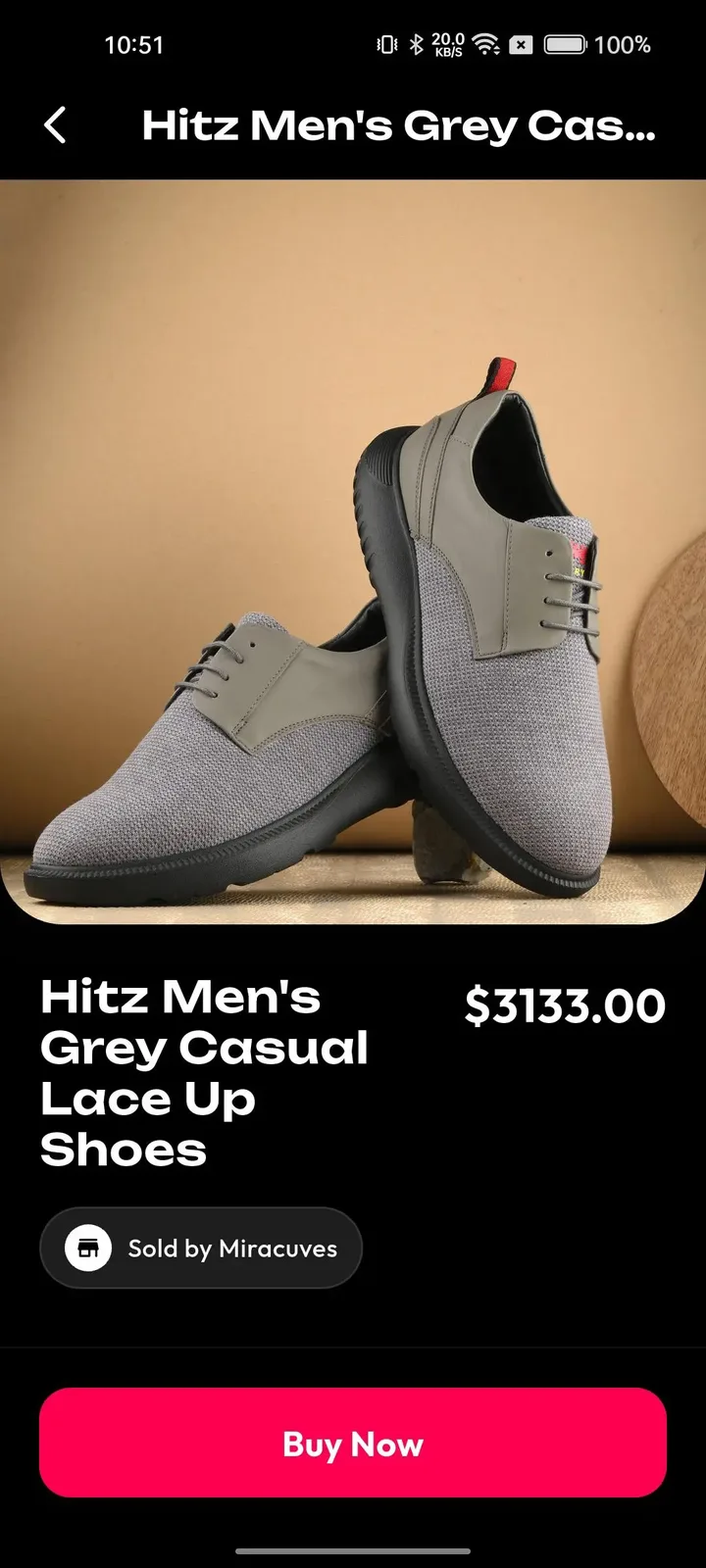
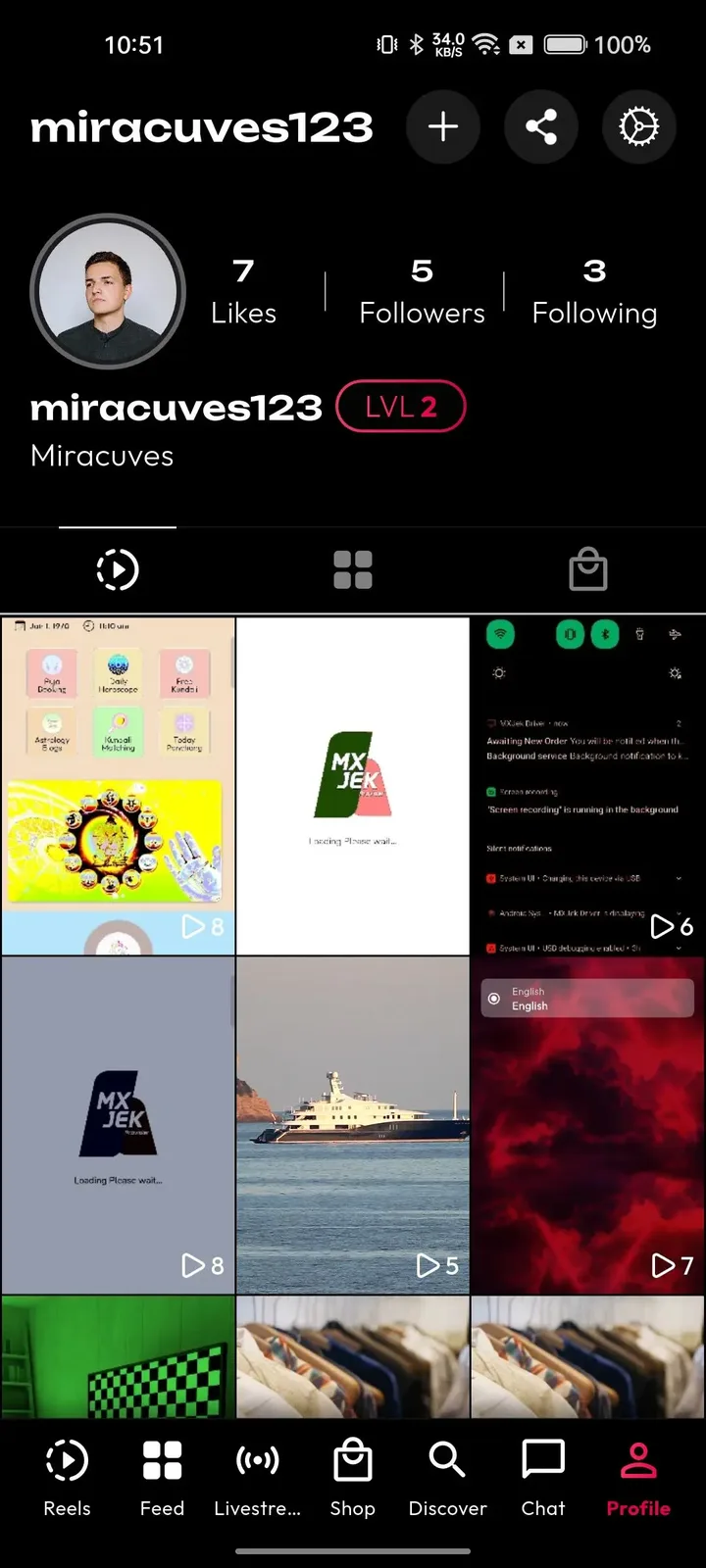
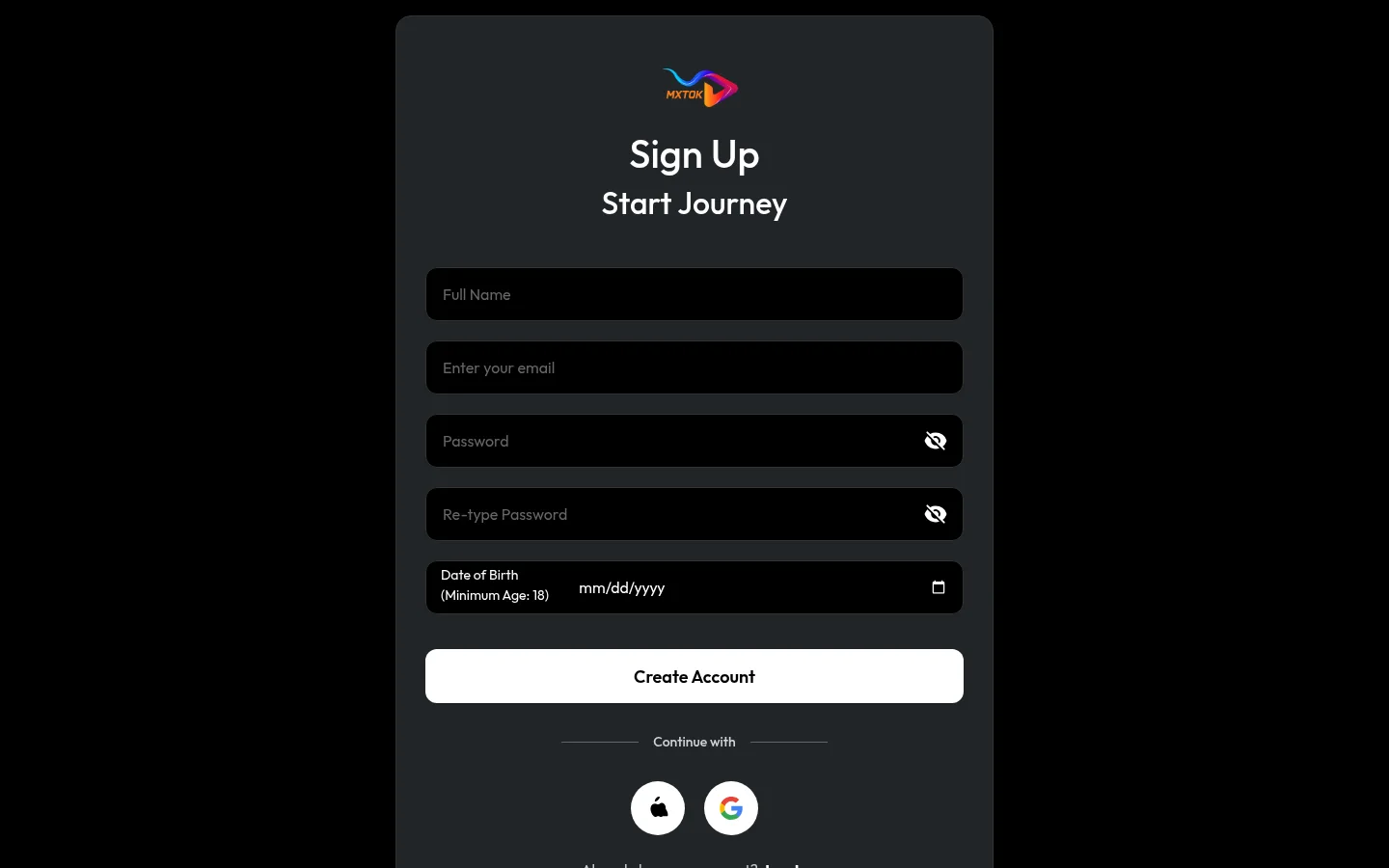
Real screens from the working product. Your platform ships rebranded with your name, logo and colors.
Web app 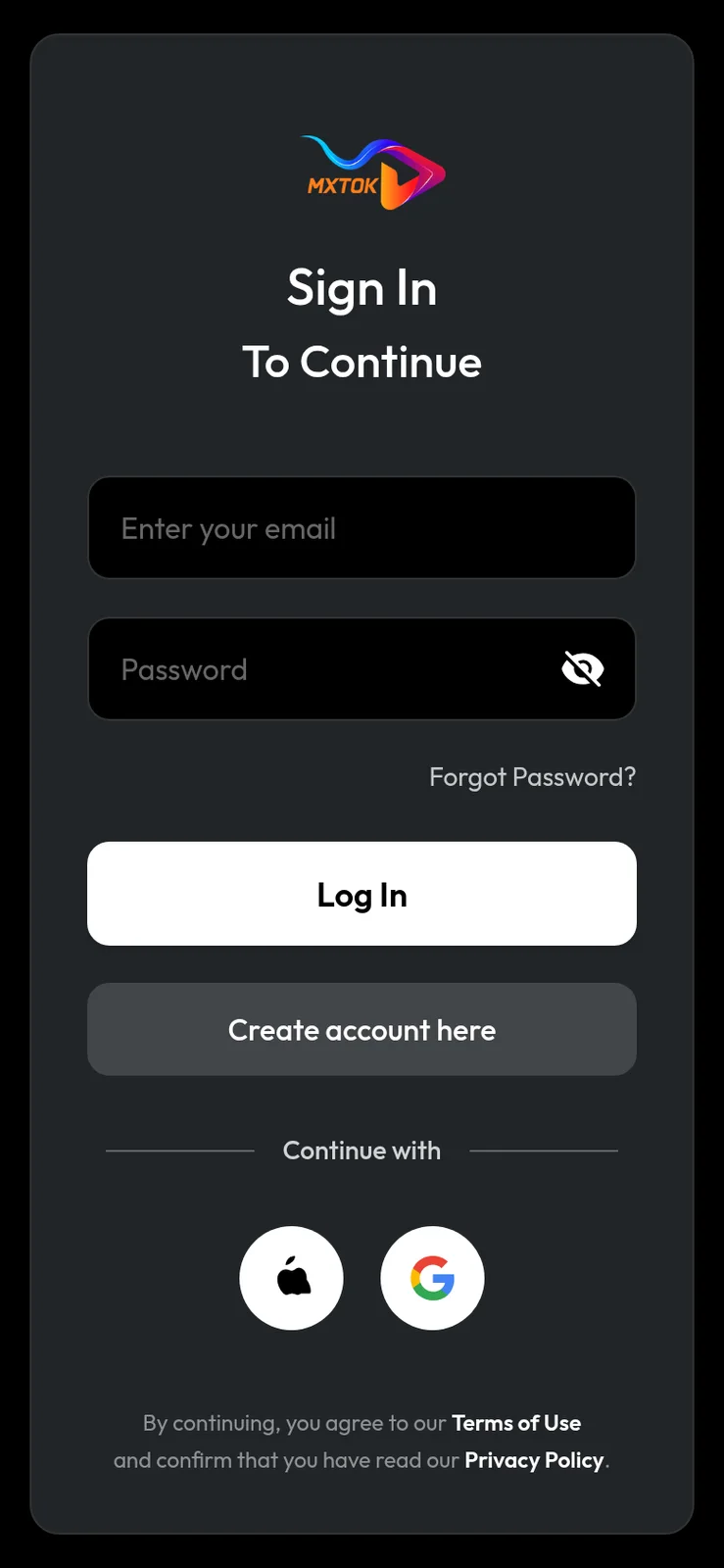
Web app 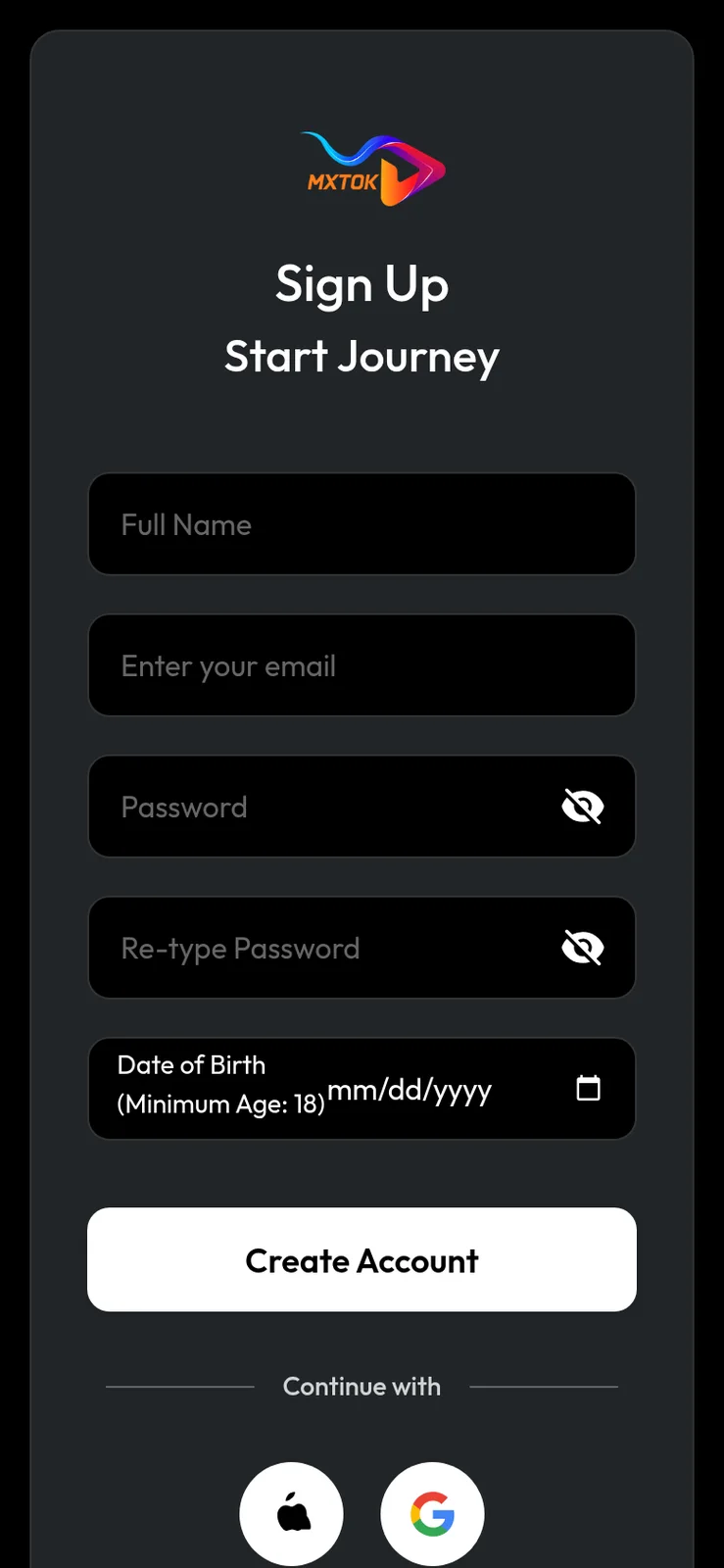
Web app 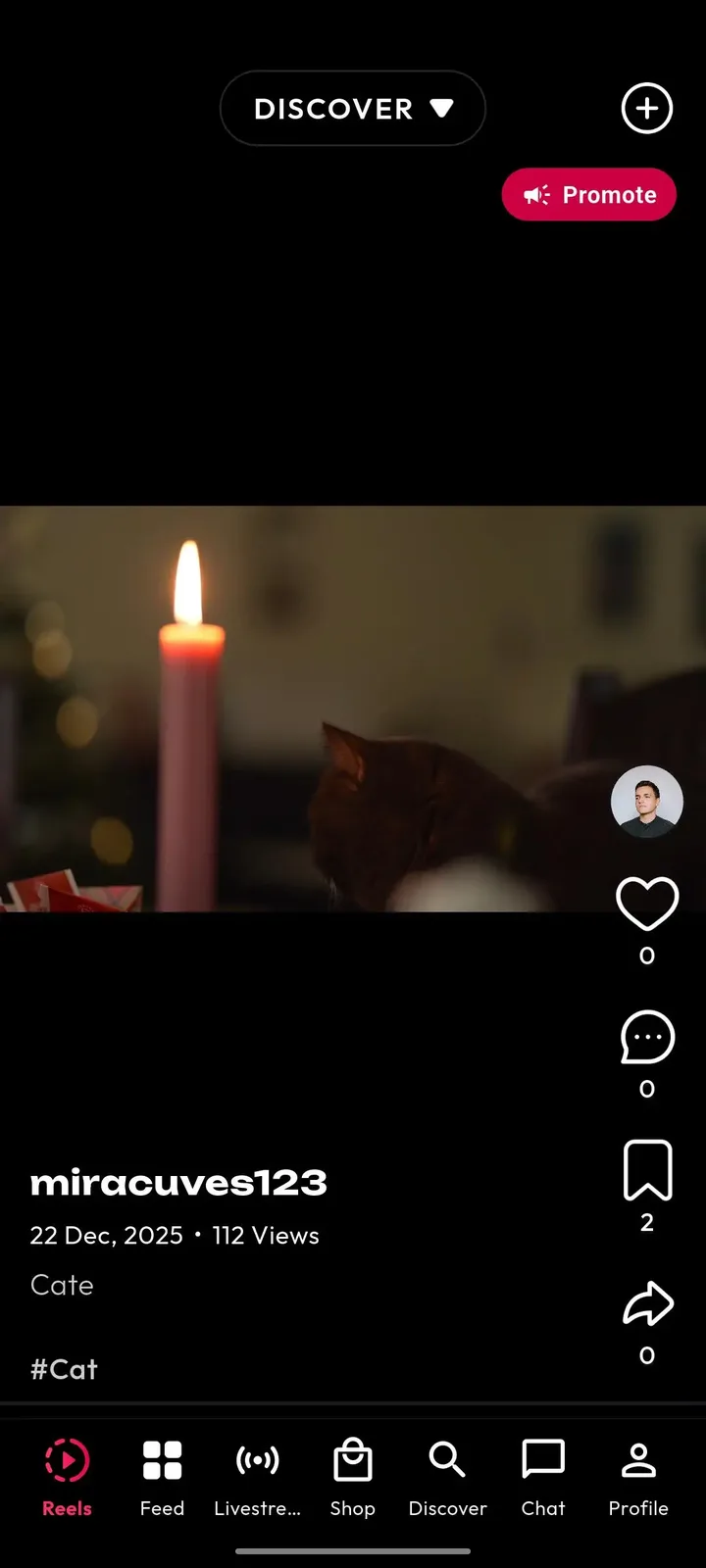
User app 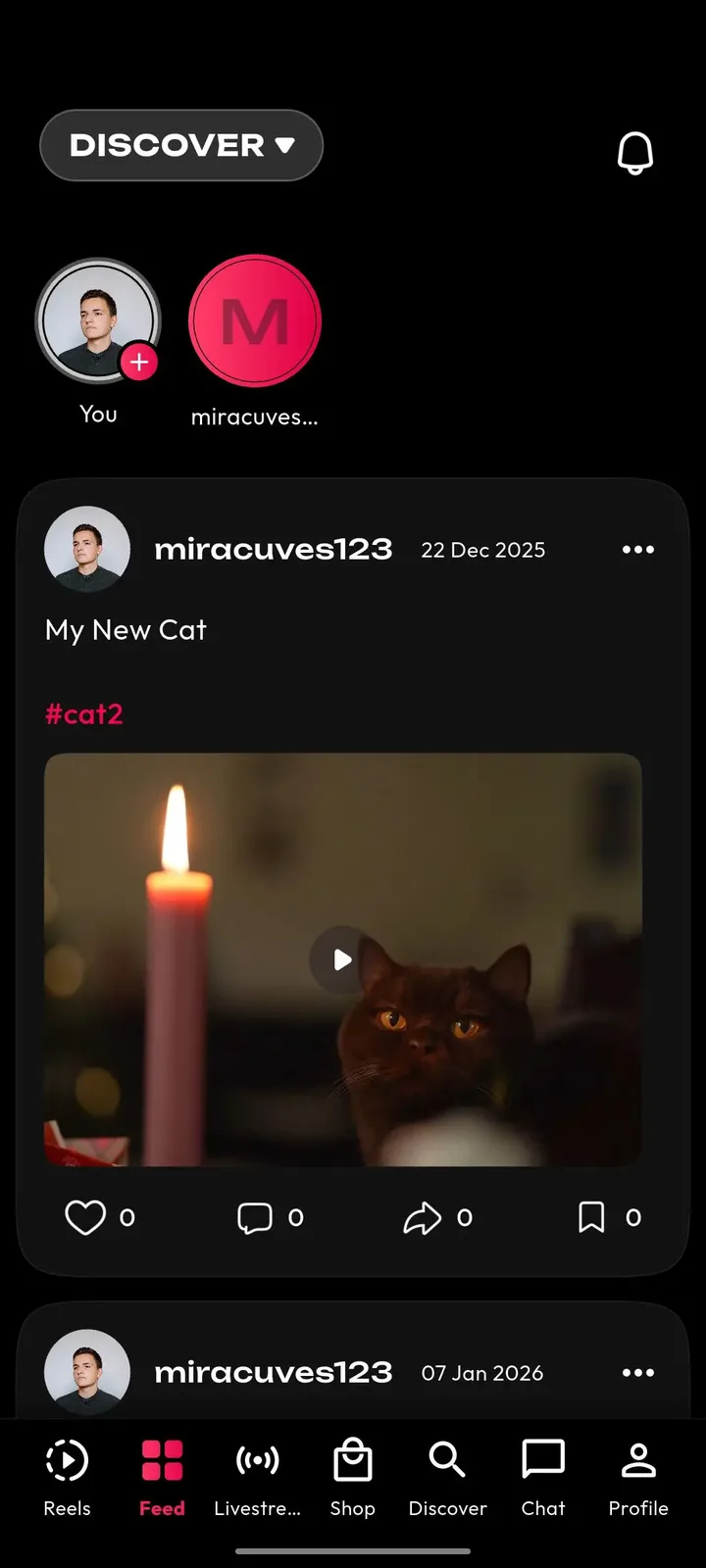
User app
What Clapper is known for, and what that means for you
Clapper is widely known as a short video and live app that leans on community and conversation, and on an adult audience rather than a teenage one. That positioning is why live rooms, replies, direct messages and fan clubs sit near the front of this product, with the clip feed feeding the conversation instead of replacing it.
For your model it means the audience you define is a business decision as much as a branding one. An adult-leaning community carries expectations about moderation and age checks that you must meet. This page makes no claim about the original business. The structural lesson is that a defined audience and regular live hosts support recurring revenue.
Which lever to use at each stage of a community
Follow the order below, not the mix of a mature network. Each row says what to switch on, and why that choice protects the part of the product that keeps members returning.
| Stage | Lever to use | Why |
|---|---|---|
| Seeding | A small set of regular hosts with fixed show times | Rooms need people in them before anything else, and a timetable teaches members when to arrive. |
| Launch | Gifts and coin sales inside live rooms | Members reward a good night at once, and it needs no sponsor or advertiser to begin. |
| Regulars appear | Fan clubs, then paid sessions and replays | Recurring payment is credible once some members attend the same host week after week. |
| Defined audience | Sponsorships tied to a host, a show or a challenge | A known, loyal audience is what brands want to buy, and you can now show it to them. |
| Audience scale | Advertising and creator campaigns | Buyers want proven reach, and ads shown too early cost you the regulars you depend on. |
| Trusted hosts | Live commerce and product showcases | Selling works when the room already trusts the host, which only happens after months of shows. |
Ways operators run a live community
The software supports quite different businesses. These are the common shapes, each leaning on different levers and a different relationship with hosts, so you can see which resembles your plan.
A community around one interest
A hub for one hobby, trade or lifestyle where members come for the conversation. Gifts, fan clubs and live shows carry income, and the shared interest keeps moderation simpler because the topic is narrow. Growth depends on finding a small number of hosts that the community already trusts.
Talk show and interview network
Hosts run recurring live programs, and clips cut from each show feed the main feed. Paid sessions, replays and sponsorships fit naturally, and multi-host rooms become important for guests and panels, so scope that early if this is your model. Guests make or break each episode, so a calendar posted in advance and a clear route for audience questions matter more than polish in the first season.
Coaching and expert channels
Experts hold live questions and answers, post short lessons and offer a fan club for paying followers. Income is subscription-led, and the quality of the host matters far more than the size of the audience. Verification helps members tell real experts from imitators. Offer experts a trial period with reduced commission, in return for a regular schedule, because a roster of steady hosts is worth more than a large roster of occasional ones.
Regional or language network
A single-language community with local hosts, local moderation and region-specific trending. A shared language makes rooms feel intimate, and local sponsors become reachable sooner than on a general app, which can support advertising earlier than elsewhere. Hosts who share a dialect bring a following that already trusts them, so recruit a few widely recognized local names before opening general sign-ups, and use their rooms to demonstrate the format.
Mistakes that empty a community app
Most failures come from neglect of the people in the room, not from the choice of lever. These are the patterns that recur, each with a simple habit that prevents it.
Opening rooms nobody attends
An empty live room is worse than none. It teaches hosts not to try again and members not to return. Start with a few hosts on fixed schedules, promote those times and open more rooms only as the first ones fill.
Under-moderating live conversation
Live chat moves faster than a queue can handle. Without moderators at peak times and clear host rules, abuse spreads and good members leave. Staff for the busiest hours before you promote them. Give hosts the option to mute, remove and report, and publish house rules where every member can read them.
Selling a fan club too soon
Recurring membership needs loyal followers. Offered before any host has them, it earns nothing and looks desperate. Wait until regulars exist, then open it for those hosts first. Test it with a handful of hosts who already attract the same faces each week, and listen to what those members say they would pay for.
Leaving age and audience unclear
An adult-leaning community carries real obligations. Decide the audience and the check you need before launch, take legal advice and scope any stricter controls rather than hoping optional settings are enough. The decision affects store listings, moderation rules and marketing, so make it once, early and with documents.
Changing host terms without notice
Hosts plan around the commission and withdrawal rules you publish. Altering them suddenly destroys trust in the whole economy, so publish early and announce changes well ahead. Hosts compare notes, and one bad surprise spreads faster than any promotion you run.
Ads before regulars
Advertising interrupts a room that is still forming. The audience you need most leaves first. Fund the early period with gifts and bring advertising in once reach is proven. Even a light sponsor banner can wait until the first regular rooms exist.
Which lever to switch on first
Begin with gifts and coin sales in live rooms, run by a small group of hosts who agree to show up on a schedule. Gifting depends on nobody outside your platform and rewards the exact behavior you want, which is a host turning up and a member being generous in the moment. Publish your commission and withdrawal rules before the first show and approve payouts by hand at the start.
Then watch which hosts bring the same members back, and open fan clubs for those hosts first. Keep advertising, sponsorship and commerce for later, when you can show a defined, loyal audience. Throughout, protect the room, because moderation quality is the foundation under every other lever and the hardest thing to repair once it is lost.
Try the live Clapper Clone demo
A Clapper-style community app runs on the same short video and live platform as our TikTok product, so the demo below is that shared build, carrying our demo branding. Open the web app or admin panel in a browser, install the Android build, sign in with the public demo accounts and look at the live room, the feed and the moderation tools.
-
Web app
Open the Web app demo- Login
miracuves@yopmail.com- Password
User_321
Worth trying
- Open a creator profile and read its clip grid
- Browse the explore tab by category and hashtag
- Open a single video page and its comments
- Check the install prompt for the web app
-
Android app
Open the Android app demo- Login
miracuves@yopmail.com- Password
User_321
Worth trying
- Join a live room and watch the chat move
- Open the gift tray and the coin wallet
- Reply to a comment with a video
- Look at the notification settings and the profile
-
Admin panel
Open the Admin panel demo- Login
admin- Password
Admin_$321
Worth trying
- Open the dashboard and read the activity totals
- Look at the user list and account status controls
- Review reported videos and the enforcement options
- Find the payout and revenue screens
Clapper Clone business model FAQs
Can members pay without a subscription?
Yes. Members can buy coins and spend them on gifts and stickers during a show without joining anything. A fan club is a separate, recurring choice priced in coins. Offering both lets casual viewers give occasionally while the most loyal supporters commit to a regular amount.
How do hosts get paid?
Gifts, subscriptions and withdrawals are tracked in a single host wallet. A host requests a withdrawal and your team approves it from a queue, with every payout logged. You decide what verification you require and how often you approve, which lets you manage risk as you learn.
Is a live room better than clips for earning?
In a community model, usually yes, because members pay in the moment and recognize the host. Clips still matter, since they bring newcomers to the room and keep followers warm between shows. The product is built so each feeds the other.
Do Apple and Google take a share of coin purchases?
Coin purchases made inside mobile apps may be subject to store in-app purchase rules, which include a share for the store. Price your bundles with that in mind, and ask your advisers about web purchase routes for your market.
Can I run only a few paid hosts at first?
Yes. Verification, wallet and monetization settings can be limited to hosts you choose, so you can start with a handful and widen later. That also gives you time to learn payout patterns before opening money flows broadly.
Can sponsors target a specific community?
Sponsorship slots can be tied to a host, a show or a challenge, and results come back as campaign reach and engagement. Your team approves who may sponsor and sets the fee. A defined, loyal audience is the main thing sponsors value in this model.
Explore the Clapper Clone
The overview and its companion pages answer the main questions in turn. Pick the one you need next.
-
Clapper Clone
The overview: live demo, screens, price and everything in the box.
Back to the overview -
Features
In a community app the clip is the invitation and the live room is the event.
See the full breakdown -
Development cost
A live community app costs more to run than a clip-only one, because every minute of a show is delivered to every viewer.
See exact pricing -
Development company
A community app puts strangers in a room, so safety and live reliability matter more than in most products.
Compare options
→Start here
Tell us what you want to launch.
Share the platform and your market. You get a walkthrough of the live demo, the exact scope of what ships, and a fixed price in writing. First response in under 2 hours, Monday to Saturday, 10:00 to 19:00 IST.
Trademark and independence notice
This page uses the name Clapper to describe a type of platform. The product sold here is separate software, built independently, and Clapper has no part in it.
Why this name
"Clapper clone" is industry shorthand that founders use when searching for software with a comparable business model. It names a category of product, not a copy of Clapper.
Who built this
The platform is an original product designed and written by Miracuves. It contains no code, design, graphics or content originating from the Clapper website or applications, and it ships under your own brand.
Trademarks
Clapper and its logos are trademarks of their respective owner and are named here for reference only. GetFame is not affiliated with, sponsored by or endorsed by Clapper. Rights holders can write to legal@miracuves.com.
Operator responsibility. The operator of a launched platform is responsible for legal compliance in the markets it serves. Nothing on this page is legal advice.Read the full disclaimer