LoyalFans Clone Business Model: Why Renewal Rate Rules
A membership platform earns when people stay, so its model is built around renewals rather than single sales. This page explains how recurring memberships, extras and commission fit together, why failed payments matter more than most operators expect, and the order in which to open each lever to protect the recurring base.
- 1
- number to protect: renewals
- $3,699
- one-time, no revenue share
- 6 days
- to start earning
On this page11 sections
- Why a membership model behaves differently
- Where a LoyalFans clone earns
- The LoyalFans Clone, on screen
- How LoyalFans is known to position itself
- Which lever to use at each stage
- Three ways to run a membership platform
- Membership mistakes that quietly drain revenue
- The first lever to switch on
- Try the live LoyalFans Clone demo
- LoyalFans Clone business model FAQs
- Explore the LoyalFans Clone
Why a membership model behaves differently
A transactional creator platform earns when something is released: a post, a message, a stream. Its income is spiky and depends on content landing well each time. A membership platform earns every cycle that a member stays, whether or not that member opened the app this week. The same acquisition effort pays repeatedly, which makes the base worth far more than any single sale.
That moves attention from conversion to retention. The question becomes how many members renew, and why some do not. A surprising share of lapses is accidental, caused by an expired card or a bank decline, which means the quickest gains often come from recovering payments that members already intended to make, not from finding new people. Reading the retention reports weekly turns that attention into routine, and it exposes the weak points before they become expensive.
Extras then sit on top. Unlocks, tips, calls and shop orders raise revenue per member without changing the price of membership, and they matter commercially because members who spend a little beyond the plan tend to see more value in it. Every line is best judged by one test: does it keep members renewing? Operators who treat extras as an add-on to a healthy base tend to make calmer decisions than those who chase one-off revenue.
Where a LoyalFans clone earns
Most lines are commission applied to a different creator surface, resolved by one rate engine. They differ in how predictable they are and in how closely they are tied to renewals, so this list is ordered by that relationship rather than by size.
Recurring memberships
Members pay on a schedule that the creator prices by tier and period, and you keep your configured share of every renewal. It is the predictable base, billed until the member cancels or a card fails, which is why billing behavior and retention reports deserve most of your attention.
Paid messaging
Locked media and paid replies in a conversation. You keep a share of each purchase. Because messaging is where creators and members feel closest, it is the surface most closely tied to whether someone renews, and welcome messages and win-back offers are its natural companions. Creators who answer promptly tend to see better renewal.
Wallet spending
Members fund a balance and spend it on extras between billing dates. You earn commission at the moment of spend. A funded wallet is a commitment already made, and it tends to survive a declined card better than a live charge does. Promotions that encourage a first top-up are often worth running.
Pay-per-view unlocks
A member pays once for content that sits above their tier. You keep a share of each unlock. It raises revenue per member without changing the membership price, and lets creators test premium material before deciding whether it deserves its own tier. Operators often use unlocks to see which premium content deserves a tier of its own.
Tips and gifts
Support sent in a single payment that does not alter the membership, on no billing schedule at all. You keep a share, often at a lighter rate than memberships, since impulsive support is not compared across platforms in the way plans are. The wallet keeps small payments quick and recorded.
Live, calls and shoutouts
Member-only streams, private session requests and booked calls are priced by the creator. You keep commission on bookings, less your streaming provider charges. These sessions often prompt a tier upgrade, which links one-off revenue back to the recurring base. Both depend on a streaming provider you contract, so usage cost grows with duration and audience size.
Commerce, ads and AI
Storefront orders with member-only pricing, featured placement, boosts and AI persona credits. These lines do not depend on a membership being active, which diversifies income, though they matter more once the base is large enough to promote across. Start with one or two of them and measure the effect on renewals before adding more.
The LoyalFans Clone, on screen
Real screens from the working product. Your platform ships rebranded with your name, logo and colors.
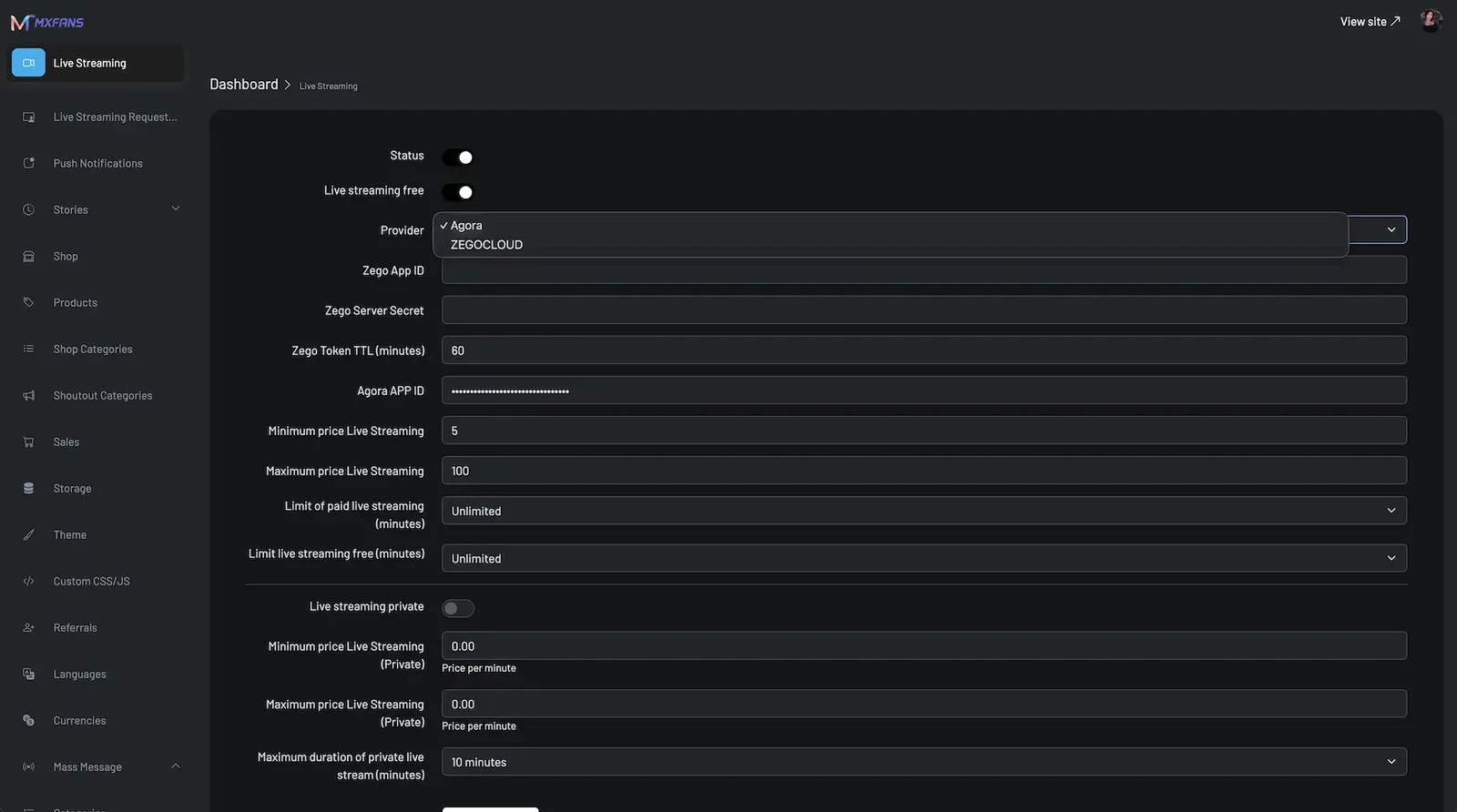
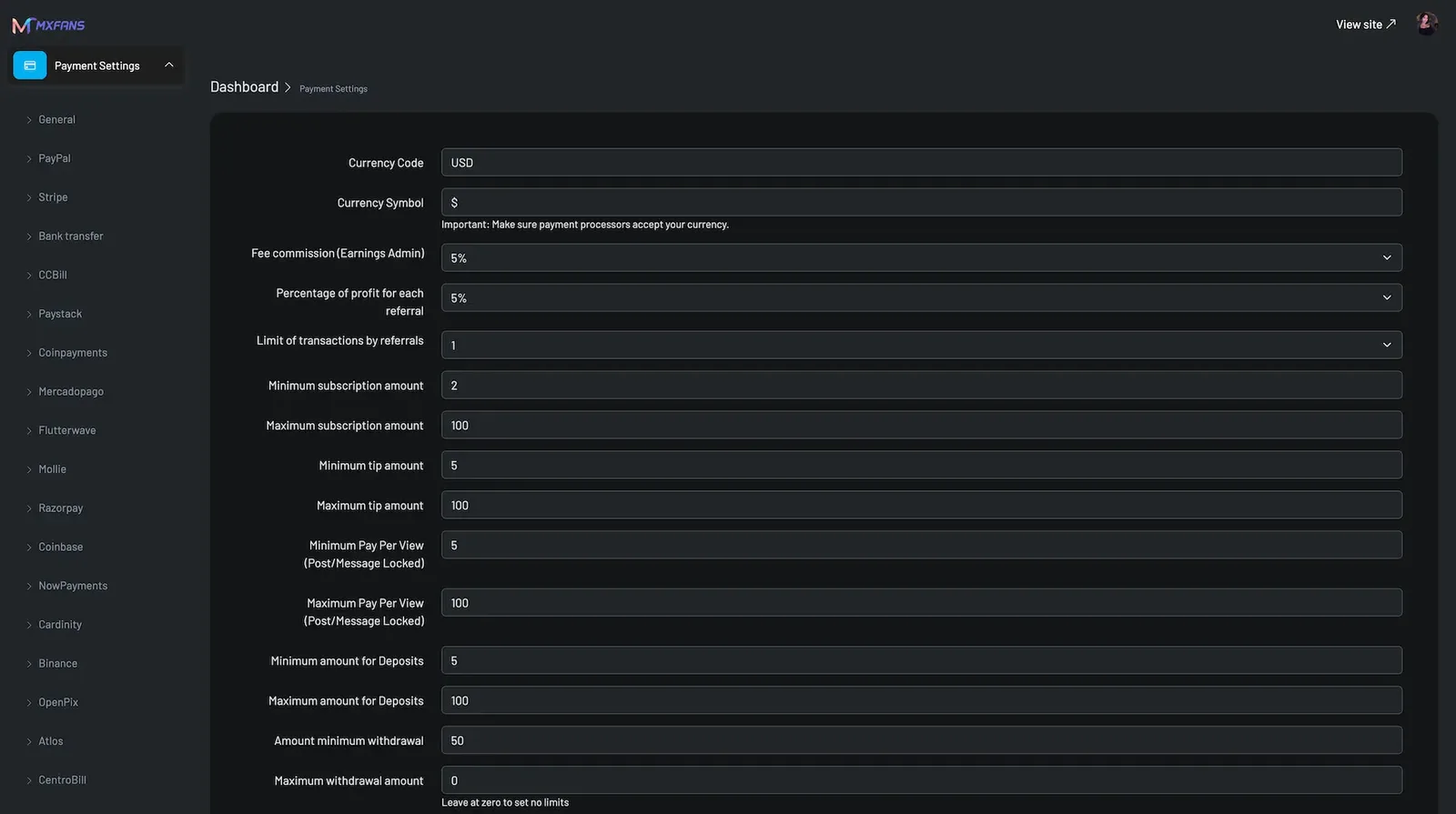
Admin panel 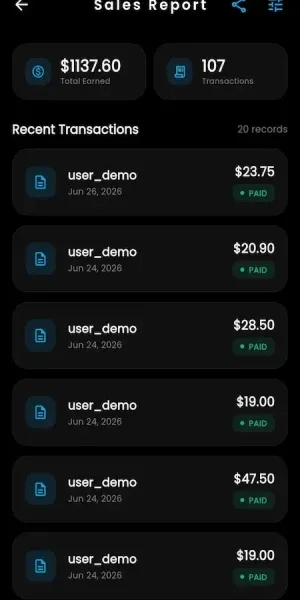
Creator studio 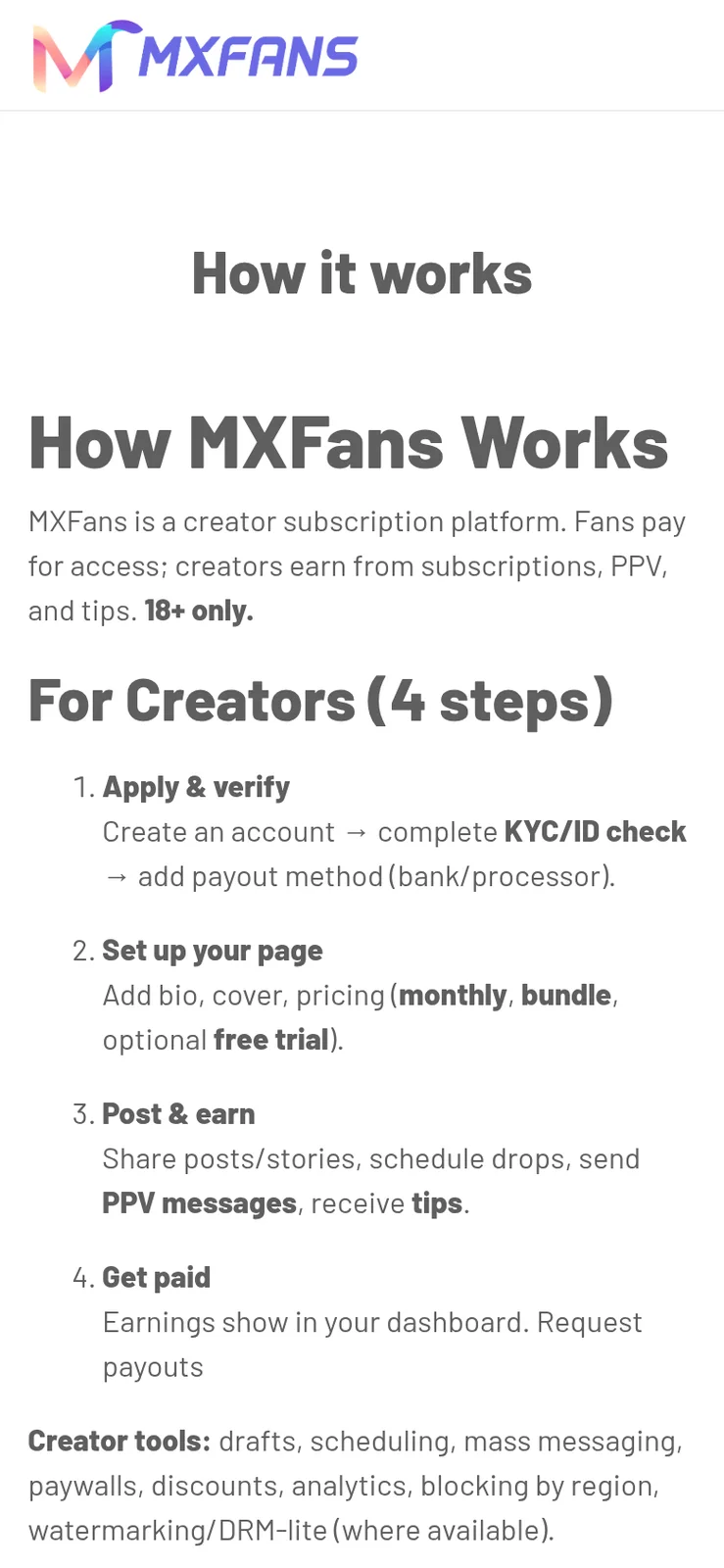
Web app 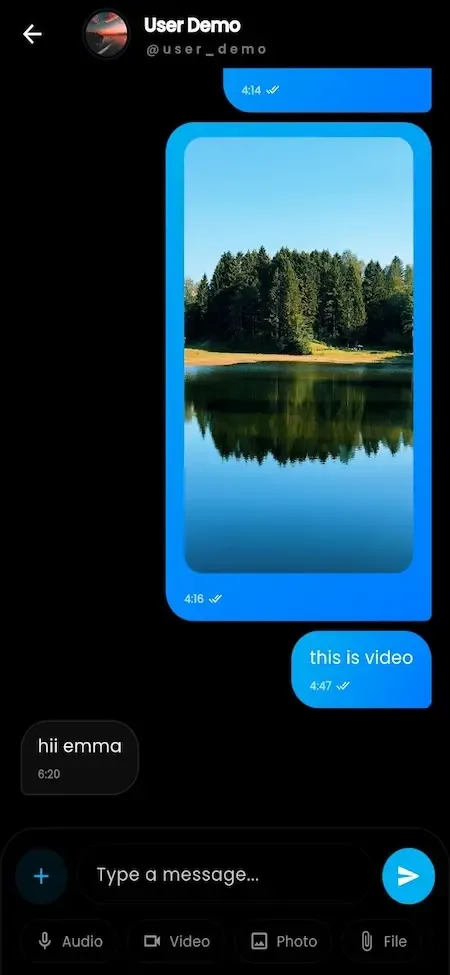
Fan app 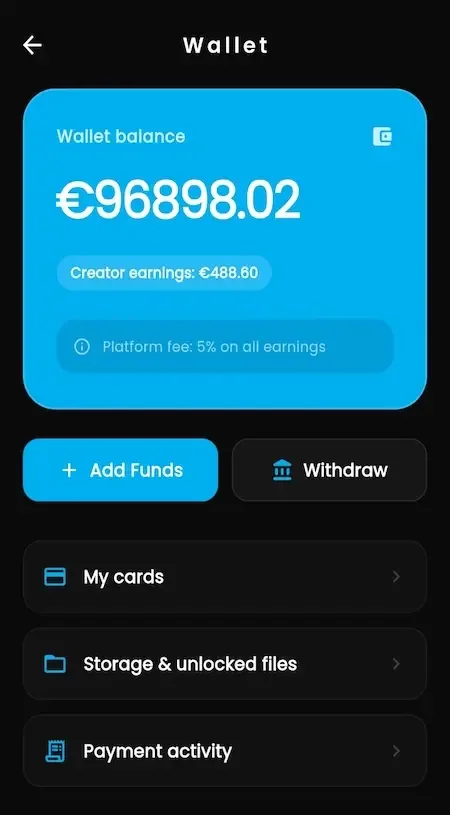
Fan app
How LoyalFans is known to position itself
LoyalFans is widely known as a paid-subscription platform for creators, with messaging and live sessions as part of the relationship. As elsewhere in the category, creators set prices, fans pay on a recurring basis and through unlocks and tips, and the service keeps a share of what creators earn. The membership reading of that model is what this page follows.
This platform gives you the same machinery under your own name: tiers, renewals, member-only conversation, wallet and commission. It does not bring an existing audience. A new operator wins by choosing a clear creator niche, keeping billing reliable and making members feel that renewal is worth it, so creators bring their followers because the numbers work.
Which lever to use at each stage
Membership levers build on each other, and the early ones protect the recurring base before you add anything that brings in variable income. Matching levers to stage avoids spending effort on extras while renewals are still leaking.
| Stage | Lever to use | Why |
|---|---|---|
| Launch | Competitive commission and two or three tiers per creator | A small ladder gives members a clear choice, and a rate set before recruiting avoids a later increase |
| First renewals | Retry schedule, grace window and welcome messages | Recovering accidental lapses and settling new members early protects the base you have just built |
| Base growing | Wallet funding and paid messaging | A stored balance removes checkout friction, and messaging lifts revenue per member while supporting renewal |
| Renewals understood | Annual plans and win-back campaigns | You now know why people leave, so longer plans and targeted offers have evidence behind them |
| Established base | Live, calls, shop and path-specific rates | Higher-value extras suit committed members, and conversion data lets you price each surface separately |
Three ways to run a membership platform
The same tooling supports quite different businesses. Which one you choose decides who your creators are, how many tiers make sense and which reports you read first, so settle it before you configure billing periods and launch settings.
The fan club operator
You run tiered access, member-only chat and live events for public figures under your own brand. The creator already has an audience, so acquisition is cheap and retention is everything. Member communication, event schedules and clear tier benefits are the levers that matter. Naming each tier after what it includes helps members choose confidently.
The niche subscription community
A paid community around one subject or genre, where renewal rate is the number that matters. Creators are partners, tiers are few and clear, and discovery works because the catalogue is narrow. Win-back offers and honest content calendars keep members renewing. Narrow categories also make moderation policy simpler to write and enforce.
The agency-managed roster
A talent team runs several creators through delegated manager access, with central payouts and reporting. Business verification and negotiated commission matter, and retention reports let the agency see which creators hold members and which ones need support or a different tier structure. Expect to negotiate rates for a whole roster instead of posting one public number for everyone.
Membership mistakes that quietly drain revenue
These are decisions that look reasonable at launch and cost real money over several billing cycles. Most are easy to avoid when they are named in advance, and several concern billing behavior more than features.
Lapsing at the first failed charge
A large share of churn in membership businesses comes from a bank issue, not a decision. Without a retry schedule and a grace window you lose that revenue every month. Keep retries on and tell members clearly when a payment needs attention.
Measuring joins instead of renewals
A month of strong signups on a base that renews poorly is a treadmill. Read the retention reports weekly, and judge each change by its effect on renewals, not on sign-up numbers alone. Set a target for renewals before you set one for new members.
Applying downgrades immediately
Members expect to keep what they paid for until the period ends. Changes that take effect on the click feel like losing something already bought, and they turn a downgrade into a cancellation. Make timing clear in your terms.
Running only one recurring provider
An outage on renewal day is a material revenue event, and provider availability in this category can change. A second provider costs effort to set up and far less than a bad day. Test the failover before you need it.
Launching a single flat tier
One price serves one willingness to pay. Several tiers with real differences in what members receive let the same audience produce more revenue, and they show you which benefits people value. Review the mix every quarter.
Raising commission after launch
A few high earners usually carry much of the income, and they compare rates across platforms. A later increase puts exactly those creators in the position of reconsidering. Choose the first rate as though it were permanent.
The first lever to switch on
Start with the retry schedule and grace window, which ship enabled, then set the commission rate before you recruit anyone. Ask each early creator to build two or three tiers with clear differences, and open subscriptions with pay-per-view alongside. This gives you a recurring base and a way to measure renewals from the first cycle. Write down your payout threshold and schedule at the same time.
Add the wallet and paid messaging once renewals are stable, then annual plans when you know why people leave. Keep live sessions, calls and the shop for later. Read the retention reports weekly, write down your cancellation and refund wording before the first member joins, and set payout thresholds at the same time, because both affect trust.
Try the live LoyalFans Clone demo
The demo is the shared creator platform as delivered, with vendor demo branding showing until yours replaces it. For a membership buyer the useful exercise is to join as a fan, set up tiers as a creator and then read the operator side to see how subscriptions, wallet balances and withdrawals appear for staff who run the business each day.
-
Fan app
Open the Fan app demo- Login
user@demo.com- Password
User_321
Worth trying
- Open a creator profile and compare the subscription options
- Subscribe, then check what the membership unlocks
- Fund the wallet and buy an extra on top
- Look at saved items and the notification settings
-
Creator web app
Open the Creator web app demo- Login
creator@demo.com- Password
Creator_321
Worth trying
- Set prices for several billing periods on the profile
- Create a fan list and send a scheduled message
- Lock a post behind a one-time price
- Review subscriber figures on the earnings screen
-
Admin panel
Open the Admin panel demo- Login
admin@demo.com- Password
Admin_$321
Worth trying
- Open the payment settings and commission controls
- Look at wallet movements and transaction records
- Review the withdrawal queue and payout status
- Check the reports and the moderation queue
LoyalFans Clone business model FAQs
Why is renewal rate so important?
Because a member who stays keeps earning for you every cycle at no extra acquisition cost. A small improvement in renewals compounds across the whole base, while a leak resets progress each month. Retention reports show renewals, lapses and payment failures, so you can see where the base is losing members.
How many tiers should a creator offer?
Two or three is a sensible start, with real differences in what each includes. A single flat tier serves one willingness to pay, while too many confuses members. Creators build their own tiers, so you can watch which ones sell and guide newer creators toward patterns that work.
Should I offer annual plans?
Often, but after you understand why members leave. Annual plans reduce how many times a card can fail in a year and improve cash flow. They also require a clear refund rule, so settle your terms first, and keep monthly plans available for members who want flexibility.
Is the commission the same on every line?
It does not have to be. You can set one percentage or a structure per revenue type, and every line resolves against the same wallet and ledger. Many operators keep a headline rate for memberships and apply lighter rates to tips, where fans are not comparing platforms.
Can this model work outside adult content?
Yes. Categories, policies and verification standards are settings, so the same membership model suits fan clubs, coaching, music, fitness and niche communities. A mainstream category often eases payment approval, though you still need clear terms, moderation and honest budgeting for running costs.
Do you give revenue projections?
No. A projection depends on how many creators you attract, how members renew, what rate creators accept and what your payment partner holds back. The retention reports let you measure real renewal behavior once you are live, and you can build projections from that evidence.
Explore the LoyalFans Clone
The overview and its companion pages answer the main questions in turn. Pick the one you need next.
-
LoyalFans Clone
The overview: live demo, screens, price and everything in the box.
Back to the overview -
Features
A membership business is judged on whether people stay.
See the full breakdown -
Development cost
A membership platform has a different cost shape from a one-off sales site.
See exact pricing -
Development company
Any developer can take a first payment.
Compare options
→Start here
Tell us what you want to launch.
Share the platform and your market. You get a walkthrough of the live demo, the exact scope of what ships, and a fixed price in writing. First response in under 2 hours, Monday to Saturday, 10:00 to 19:00 IST.
Trademark and independence notice
This page uses the name LoyalFans to describe a type of platform. The product sold here is separate software, built independently, and LoyalFans has no part in it.
Why this name
"LoyalFans clone" is industry shorthand that founders use when searching for software with a comparable business model. It names a category of product, not a copy of LoyalFans.
Who built this
The platform is an original product designed and written by Miracuves. It contains no code, design, graphics or content originating from the LoyalFans website or applications, and it ships under your own brand.
Trademarks
LoyalFans and its logos are trademarks of their respective owner and are named here for reference only. GetFame is not affiliated with, sponsored by or endorsed by LoyalFans. Rights holders can write to legal@miracuves.com.
Operator responsibility. The operator of a launched platform is responsible for legal compliance in the markets it serves. Nothing on this page is legal advice.Read the full disclaimer