Triller Clone Business Model: Making Money From Songs and Performances
A music video app earns because a song gives people a reason to perform, watch and pay. This page explains the revenue levers built into the platform, how each one is tied to music and performers, what the original app is known for, the order in which to switch the levers on, and the mistakes that cost young music networks their creators.
- 7
- revenue levers built in
- $3,999
- one-time platform price
- 0%
- revenue share to us
On this page11 sections
- A song is the cheapest reason in the world to make a video
- How a music video platform earns
- The Triller Clone, on screen
- What Triller is known for, and what that means for you
- Which lever to use at each stage of a music network
- Ways operators run a music video network
- Mistakes that cost music apps their performers
- Which lever to switch on first
- Try the live Triller Clone demo
- Triller Clone business model FAQs
- Explore the Triller Clone
A song is the cheapest reason in the world to make a video
Most short video apps have to give creators a reason to post. A music app has one ready-made. A track supplies the idea, the rhythm and an audience that already likes it, so a performer can make something watchable in minutes. That drives a steady supply of clips, which is the raw material every revenue line depends on. In practice that means a new performer needs no concept, no script and no following to start, which lowers the cost of the first post and widens the pool of people willing to try.
Money then follows attention in several places at once. Fans pay to reward a performance they enjoyed, to be closer to an artist, or to see a live show. Labels, artists and brands pay to put a release in front of that audience. Merchandise sellers pay to reach fans at the moment they are most interested in someone. The important detail is that these buyers value different things. Fans want closeness, promoters want reach and sellers want a ready moment, so each lever should be priced and presented to its own audience instead of being bundled into one confusing offer.
So the model works best when you think in terms of songs and people rather than ad impressions. Build a catalog and community that performers love, give them tools to earn, and sell access to the resulting attention to the people who most want it, in the order your audience can support. Treat the catalog as inventory you manage, not decoration: fresh releases, themed collections and local favorites give people reasons to open the app, and every return visit is another chance for a gift, a ticket or a sponsor to meet a fan. Revenue follows the rhythm of the music calendar, so plan campaigns around it.
How a music video platform earns
Each stream below is a working module controlled from the admin panel. For every one, the useful questions are who pays, what moment prompts the payment and how much of it stays with you as the operator.
Gifts on performances
Fans buy coins and send gifts on clips and during live shows. The platform retains a commission before the performer wallet is credited, and you set the rate. It needs only fans who enjoyed a performance, so it can begin earning with the first active performers. A sensible first step is to publish the gift menu and the commission in plain language, so performers can predict what a good night would pay them.
Fan clubs
Supporters pay a recurring fee, priced in coins, for closer access to a performer such as exclusive clips or members-only live rooms. The payment repeats on renewal and you keep a platform share of each one. It suits artists whose followers want to stay near them. Offer one or two clear tiers at first, since a long ladder of memberships confuses fans and is hard to keep supplied with exclusive material.
Paid live sessions
A performer can run a ticketed show, or sell the recording of a concert-style night as a premium replay. The fan pays for the experience, and you keep your share of the ticket and replay income. Recorded replays extend the earning life of a single night. Announce the date in advance and let the performer promote it, because ticketed events live or die on how many fans know about them before the doors open.
Sponsored sounds and challenges
A brand, artist or event pays to sponsor a sound-based challenge with rewards and a featured banner on the feed. The sponsor pays a fee per campaign, and you keep it. It turns the part of the product that creates content into a placement you can sell. Give the sponsor a clear window and a report afterwards, since a brand that can see entries, views and completion is much more likely to return for a second campaign.
Advertising
Campaigns bought by creators, native placements and rewarded mobile ads are all set up from the admin panel. The advertiser pays against reach and you keep the fees. It only works once your audience is large enough to interest buyers, so it comes after the other levers. Where it does fit, keep ad breaks away from the middle of a performance, because interrupting a song is the quickest way to lose a viewer who stayed for the music.
Merchandise and commerce
Performers tag merchandise in videos and sell products in the marketplace and during live streams. The buyer pays the seller and you take a commission or fee. For artists it is a direct route from a fan moment to a purchase. Keep the first catalog small and tied to real artists, such as a tour shirt after a live show, and make order status visible so fans trust the checkout.
Creator fund
Qualified views feed a fund dashboard, and withdrawals wait in a queue that your team approves. It is a managed incentive that keeps performers posting. You decide who qualifies and how often payouts are approved, so it never becomes an open-ended commitment. Publish the qualifying rules so performers know what counts, and review the queue on a fixed day each week, because irregular approvals feel like favoritism and stop the incentive from working.
The Triller Clone, on screen
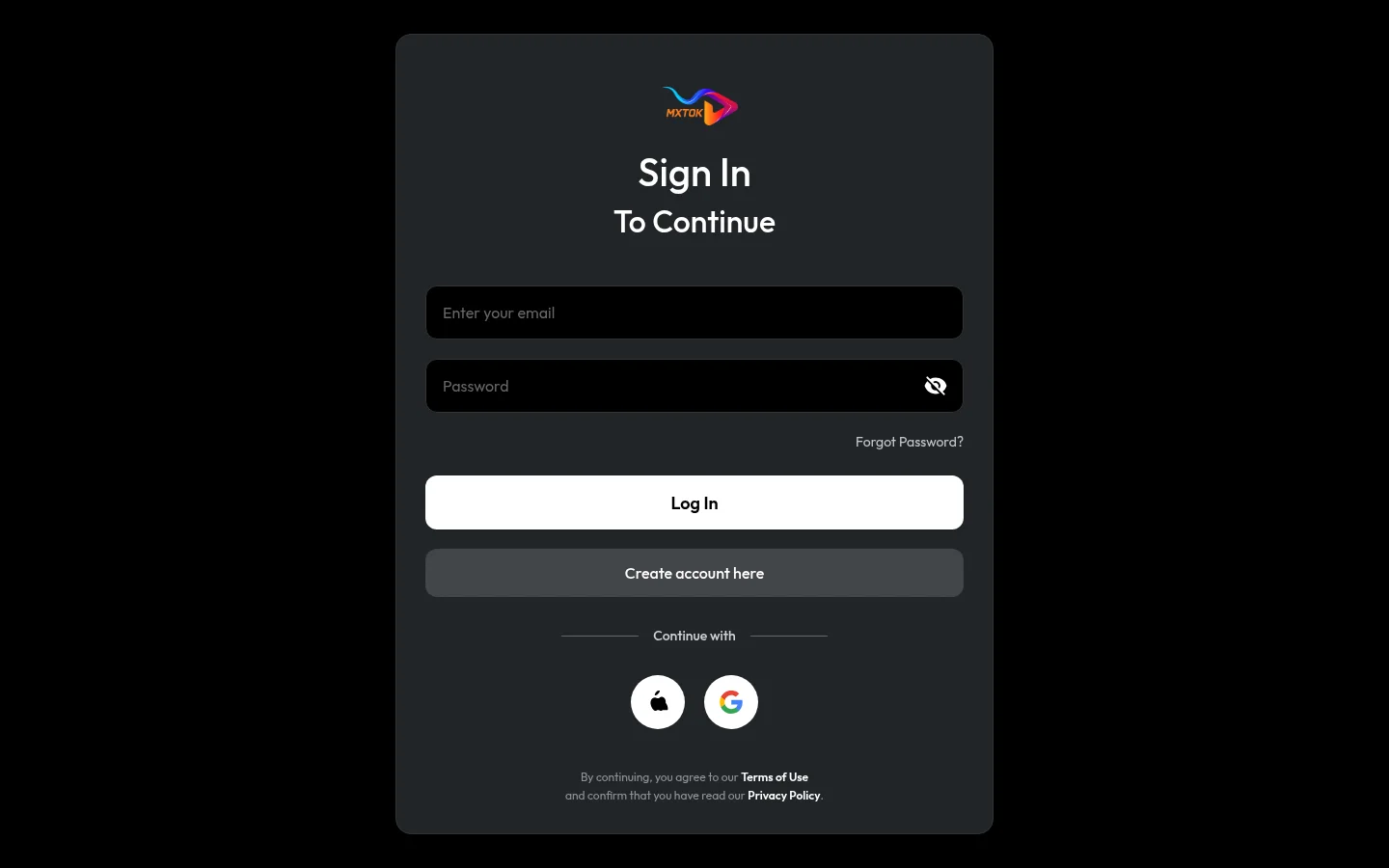
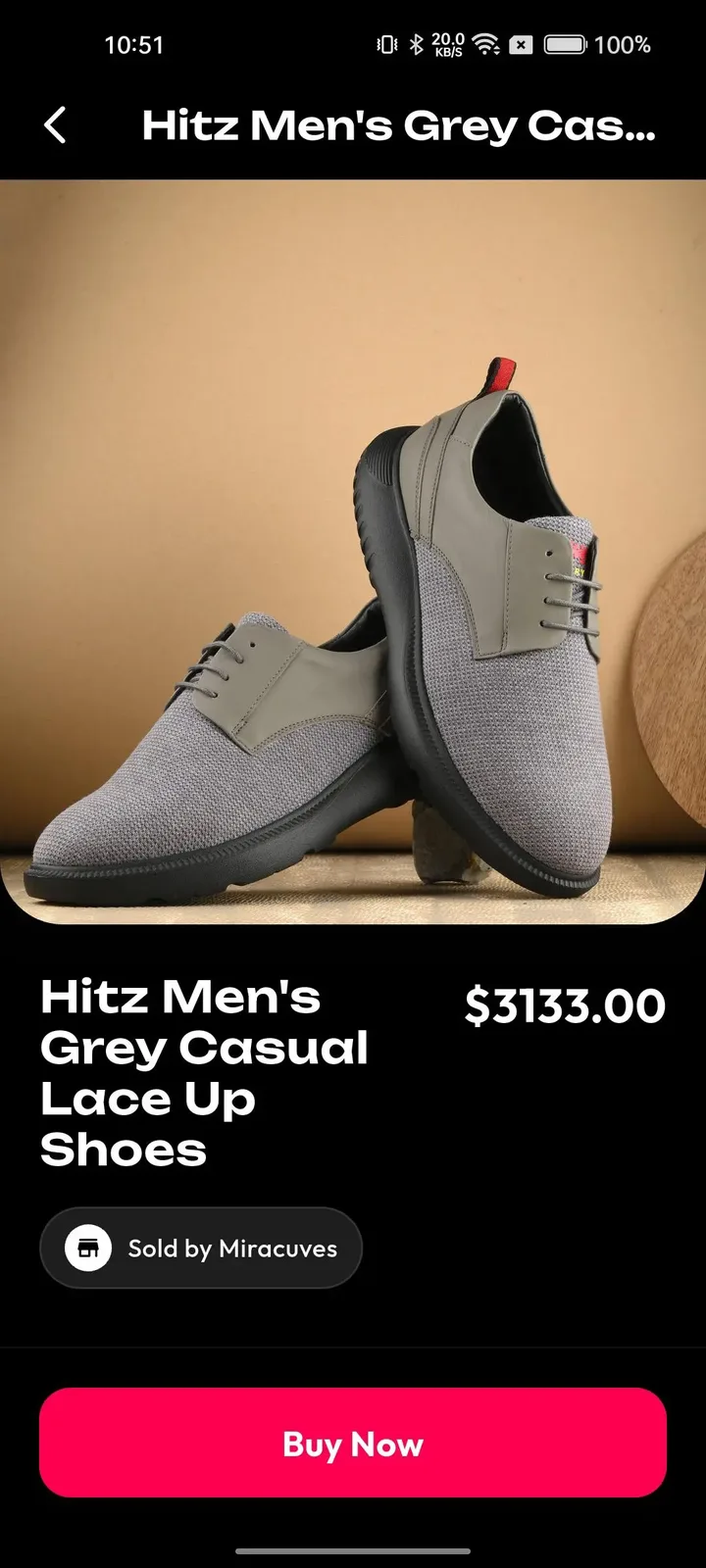
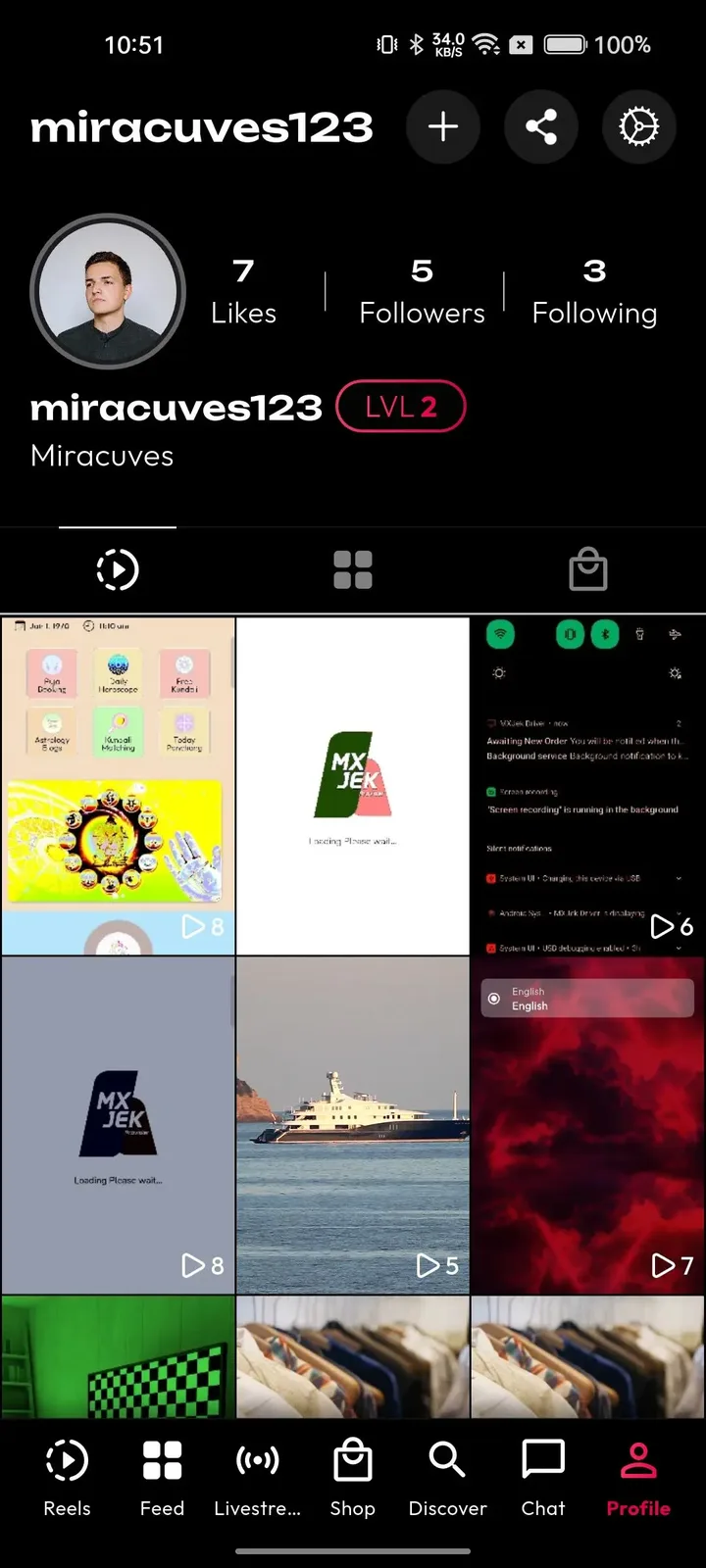
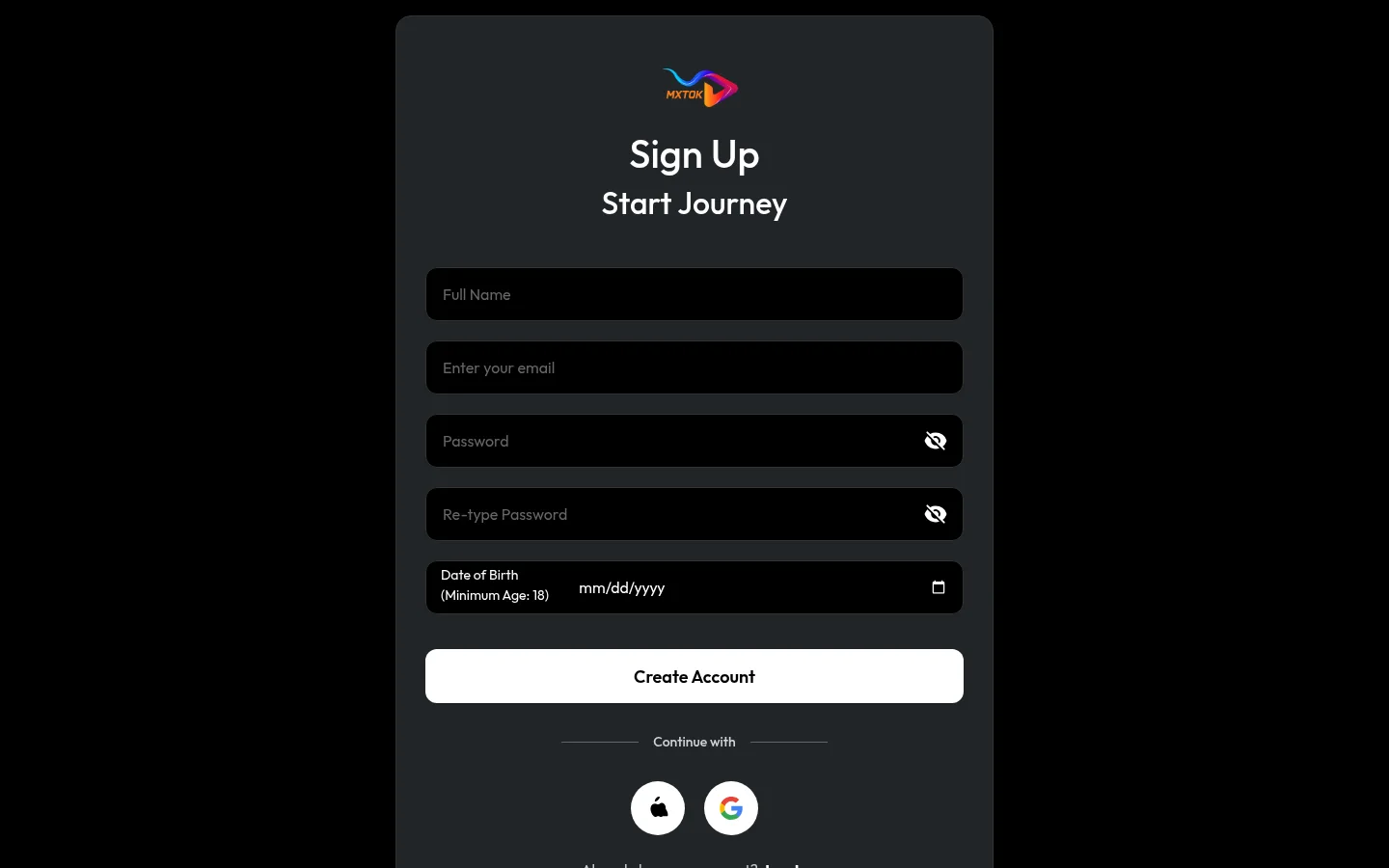
Real screens from the working product. Your platform ships rebranded with your name, logo and colors.
Web app 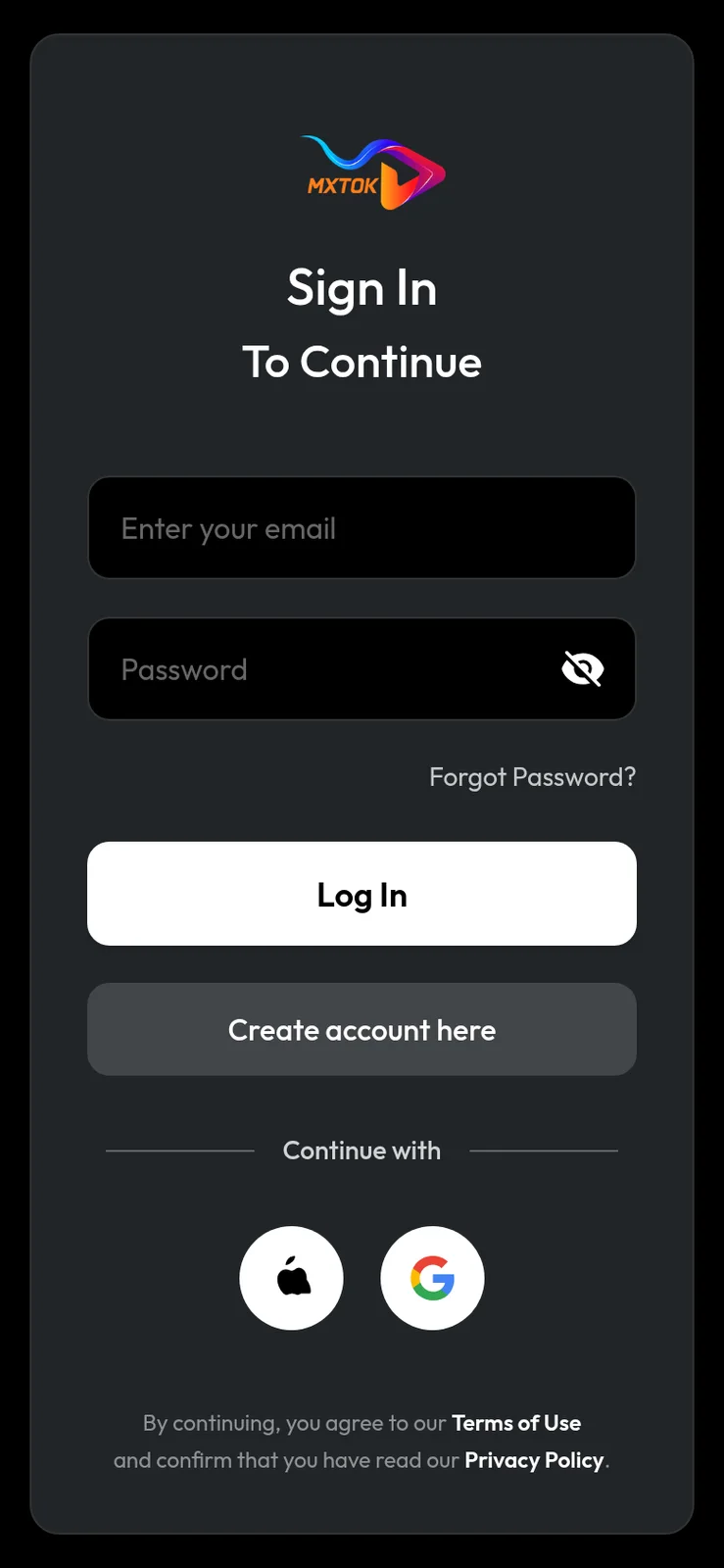
Web app 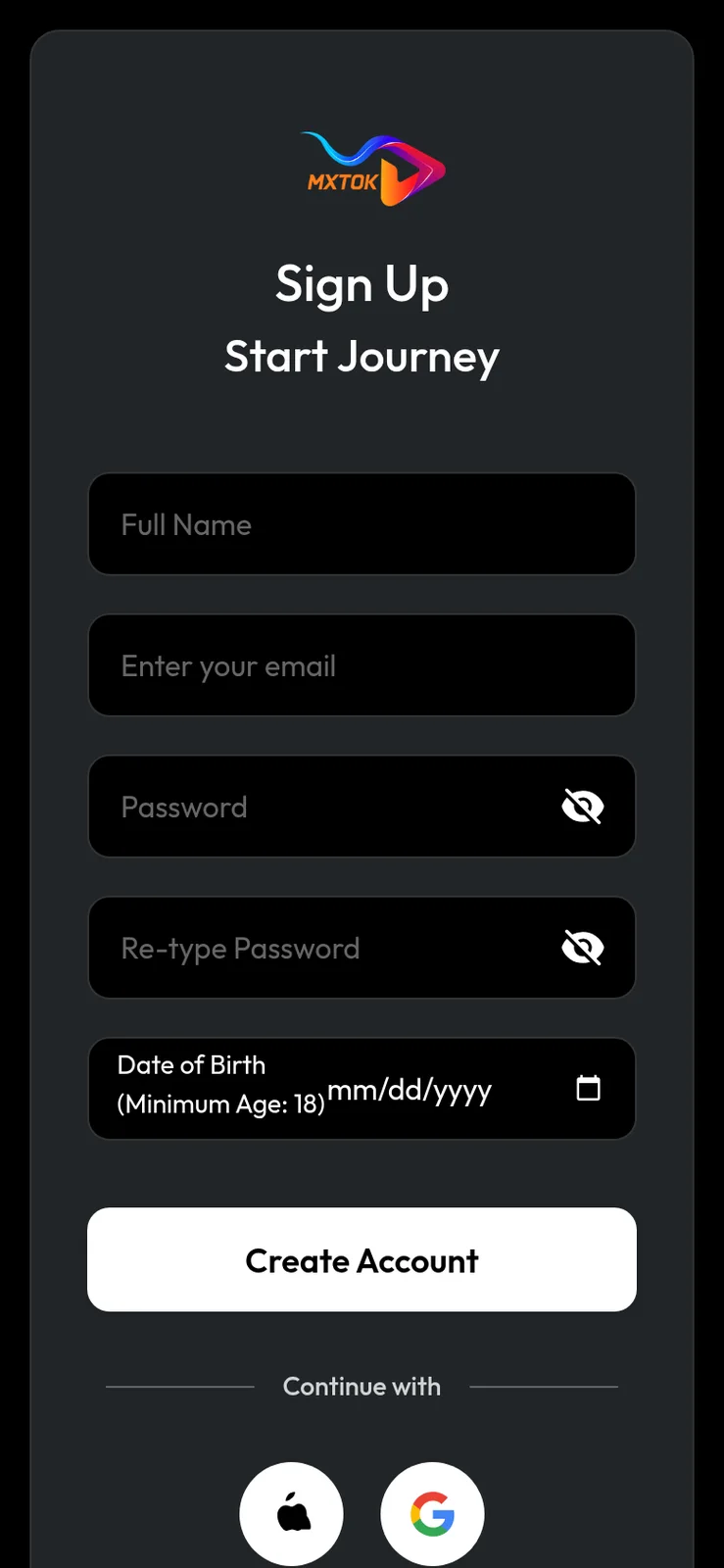
Web app 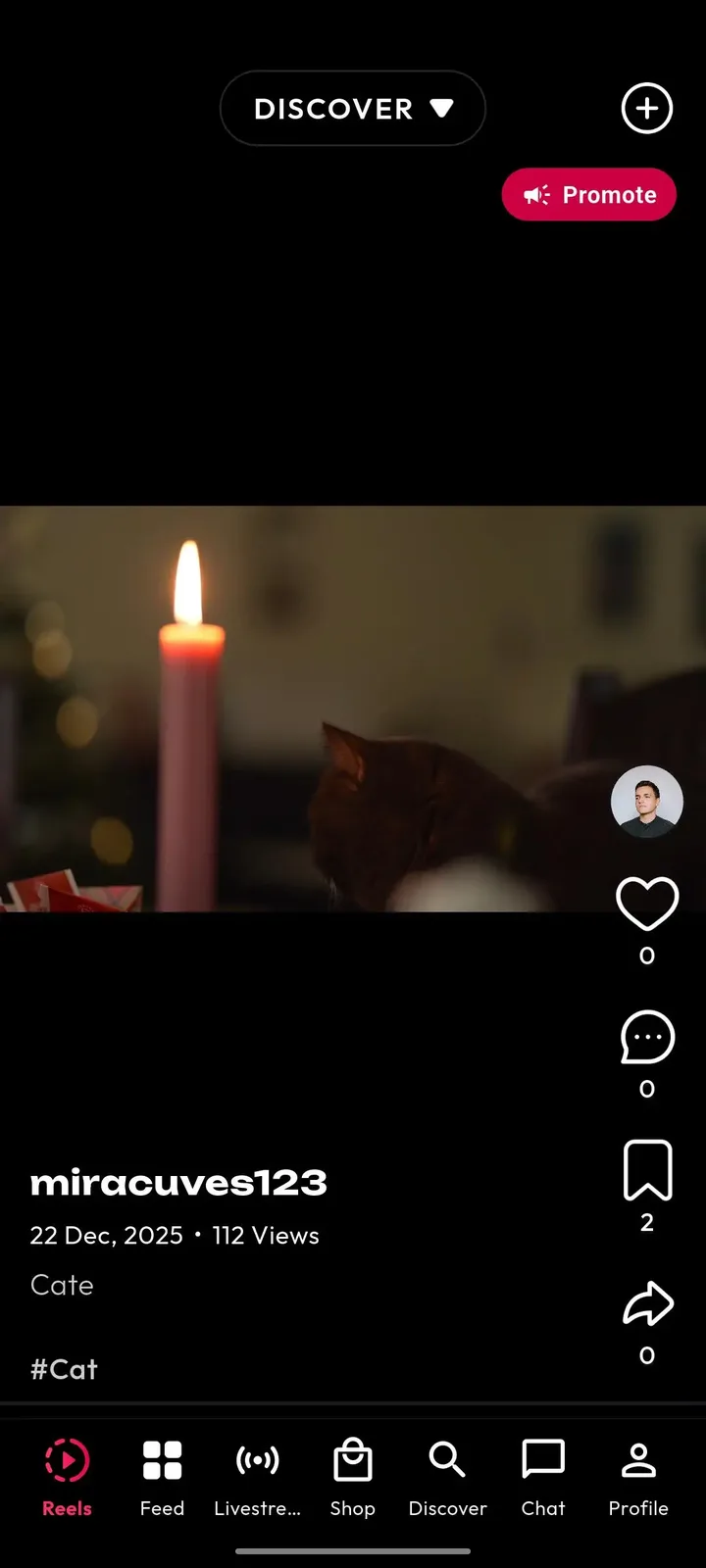
User app 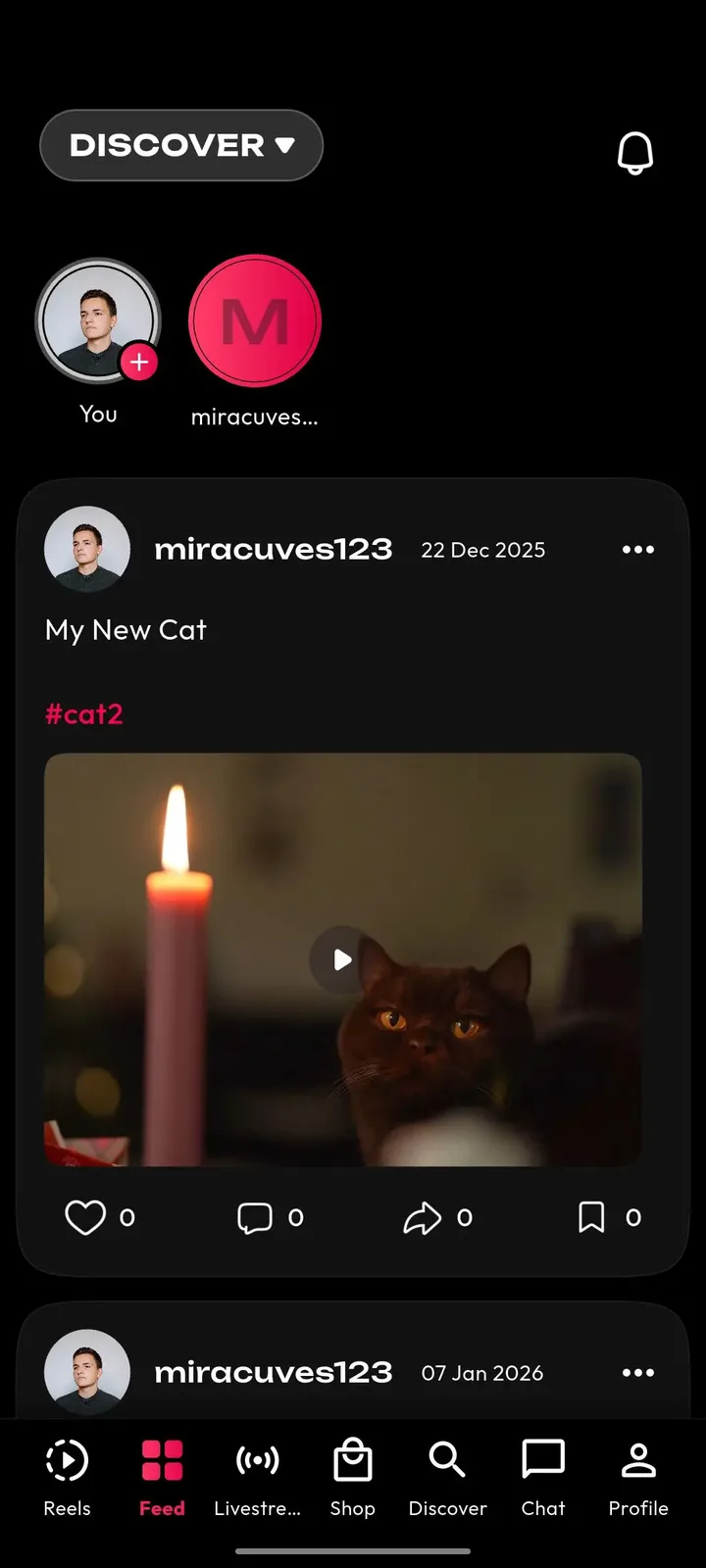
User app
What Triller is known for, and what that means for you
Triller is widely known as a music-video app, where clips are built around songs and shared as performances, lip-syncs and edits, rather than plain talking to camera. That identity is why the music tools, sound pages and artist-facing features sit at the front of this product rather than in a settings menu. The sharing is more important than the singing: the product succeeds when someone can pick a track, perform to it and post within a few taps.
It also means your model has a natural set of customers beyond viewers. Artists want reach for a release, labels and promoters want campaigns, and events want fans to share moments. This page makes no claim about the original business. The structural lesson is that the song attracts the performers, and the performers attract everyone else.
Which lever to use at each stage of a music network
Use the order below rather than the revenue mix of a mature platform. Each row says what to switch on, and why that choice protects the part of the product that keeps performers posting.
| Stage | Lever to use | Why |
|---|---|---|
| Seeding | A starter sound library and one or two sound challenges | Performers need songs and a prompt before they need a payout, so give them both on day one. |
| Launch | Gifts and live shows for willing performers | Fans reward good performances at once, and it needs no sponsor or advertiser to begin. |
| Artist traction | Fan clubs and paid live sessions | Recurring support works when a few performers have followers who want closer access. |
| Release campaigns | Sponsored sounds from artists, labels and events | Measured reach on a challenge gives you something concrete to show a promoter. |
| Audience scale | Advertising and creator campaigns | Buyers want proven reach, and ads placed too early drive away the performers you need. |
| Mature network | Merchandise and live selling | Commerce needs trusted checkout and artists with products, which arrive once the fan base does. |
Ways operators run a music video network
The same software supports different businesses, each leaning on different levers and different partners. These are the common shapes, so you can see which one resembles your plan.
Independent artist community
A home for unsigned artists to post performances, release snippets and challenges. Gifts, fan clubs and live shows carry the income, and reusable original sounds give the catalog a life of its own. Success depends on recruiting artists who bring their own fans. Offer performers early access to features such as live rooms in return for bringing their followers, since an artist who arrives with fans is worth more than a hundred who arrive alone.
Label or promoter hub
A label, promoter or event brand runs the platform to push releases, with featured sounds, sponsored challenges and banners on the feed. The income is indirect or comes from sponsorship, and the admin controls matter because the feed has to stay on message. Typical users are a record label, a festival promoter or a radio brand that wants a destination it controls, with staff curating what appears in the feed and in what order.
Regional music app
A local-language network around regional tracks, creators and festivals, with local moderation rules and trending. A defined scene supports gifts and live shows early, and local advertisers become reachable sooner than on a general app. Local moderators who understand slang, dialect and cultural references catch problems that automated flags miss, and a recognizable scene is easier to market through nearby venues, student groups and community radio. Pick one city or genre to begin with rather than a whole country.
Dance and performance academy
Instructors post routines to a chosen track, students and fans duet them, and live classes run alongside the clip feed. Subscriptions and paid sessions fit naturally, because students pay for ongoing access to a teacher and a community, while the sound library keeps lessons tied to the music being taught. Verification marks the official instructors.
Mistakes that cost music apps their performers
Most problems come from timing and rights rather than a wrong choice of lever. These are the patterns that keep appearing, with a simple habit to prevent each.
Launching without a rights plan
Music brings rights questions that other video apps avoid. If you add tracks without a clear licensing basis, you invite takedowns and disputes. Decide whether you use royalty-free, original or licensed sounds before the first public upload.
Selling ads to an empty room
Advertising shown before your audience is large interrupts performances and earns little. Performers leave first. Use gifts and live shows to fund the early period and bring ads in once reach can be proved. A sponsor who sees an empty feed also asks for a discount, so wait until you can show real reach.
Depending on a single hit sound
A viral track can flood the feed and then fade. A network built on one trend collapses when it ends. Keep several categories and challenges running so the supply of clips does not hang on any one song.
Unclear payout and commission rules
Performers judge you on whether earnings are clear and stable. Publish the commission and withdrawal rules before they join, and avoid changing them without notice once payouts are flowing. Write the rules in plain sentences on a single page, and announce any change in advance, because a surprise deduction from a gift wallet is remembered long after the reason is forgotten.
Ignoring reposts and impersonation
Copied clips and fake artist accounts erode trust with the real ones. Staff the moderation queue, use verification for official artists and act quickly on reports. Rights holders notice first, and a platform known for unchecked copying finds labels unwilling to work with it, so set response times for takedowns and publish them.
Starting with commerce
A shop with no artists who have products and no audience to buy them looks empty. Turn on merchandise only when performers ask for it and fans are active. Launching a shop too early also splits your attention between sellers and performers, when the first priority is a feed full of music worth watching.
Which lever to switch on first
Begin with gifts and a modest live programme, alongside a small library of sounds you are confident you can use. Gifts reward a performance at the moment of delight and do not rely on any outside buyer, which makes them the safest first income. Invite a small group of performers, give them a schedule of challenges and publish your commission before they join.
Then watch which sounds and performers draw return visits, and turn on fan clubs for those who have followers who want more. Hold advertising, sponsorship and merchandise until you can show reach, because each is easier to sell with evidence. Protect the viewing experience throughout, since every lever depends on people choosing to keep watching. Look at repeat visits and completed views rather than totals, because they tell you whether the music is working, and move on only when those numbers are stable for a few weeks.
Try the live Triller Clone demo
Triller-style music clips run on the same short video platform as our TikTok product, so the live demo below is that shared build, shown with our demo branding. Open the web app, the admin panel or the Android build, sign in with the public demo accounts, and look at the sound picker, the feed and the operator tools.
-
Web app
Open the Web app demo- Login
miracuves@yopmail.com- Password
User_321
Worth trying
- Open a video page and see its attached sound
- Browse hashtag pages for challenge-style grouping
- Visit a creator profile and its video grid
- Check the install prompt for the web app
-
Android app
Open the Android app demo- Login
miracuves@yopmail.com- Password
User_321
Worth trying
- Open the Create screen and browse the sound picker
- Apply a filter and adjust speed on a take
- Watch the feed and reuse a sound from a clip
- Enter a live room and look at the gift tray
-
Admin panel
Open the Admin panel demo- Login
admin- Password
Admin_$321
Worth trying
- Open the dashboard and check platform totals
- Look through the video list and moderation actions
- Find where trends and categories are curated
- Open the revenue and payout screens
Triller Clone business model FAQs
Do I need music licenses before I can earn anything?
Not to begin. You can launch with royalty-free sources and original creator sounds, and earn from gifts and subscriptions. If you want commercial catalog tracks in the library, you must license them yourself, which is a business and legal step that no software can complete for you.
Can an artist sell merchandise to their fans?
Yes. Performers can tag products in videos, sell through the marketplace and show products on live streams. The buyer pays the seller and you take a commission or fee. Fulfillment, returns and consumer rules are yours to run as the operator.
How do creators receive earnings from gifts?
Gift value collects in the performer wallet after your commission, alongside subscription and creator fund balances. The performer requests a withdrawal and an admin approves it from a queue, with every payout logged. You choose the verification you require.
Can a brand or label sponsor a sound?
Yes. A sponsor can fund a sound-based hashtag challenge with a reward and a featured banner on the feed. The fee is negotiated per campaign and managed through the campaign tools, and results come back as reach and engagement.
Will Apple and Google take a share of coin sales?
Coin purchases inside mobile apps may fall under store in-app purchase rules, which include a share for the store. Price your bundles with that in mind, and ask your advisers about web purchase routes in your market.
Is a creator fund necessary?
No, it is optional. It feeds a dashboard of estimated earnings from qualified views, and you approve every withdrawal. Some operators skip it and pay only through gifts and subscriptions, while others use it to keep performers active.
Explore the Triller Clone
The overview and its companion pages answer the main questions in turn. Pick the one you need next.
-
Triller Clone
The overview: live demo, screens, price and everything in the box.
Back to the overview -
Features
A music video app lives or dies on how easily a clip can be fitted to a track.
See the full breakdown -
Development cost
A music video app has two kinds of cost that are easy to blur together: the price of the software and the price of operating a catalog and a media service.
See exact pricing -
Development company
Hiring a team for a music video app means judging both software and rights awareness.
Compare options
→Start here
Tell us what you want to launch.
Share the platform and your market. You get a walkthrough of the live demo, the exact scope of what ships, and a fixed price in writing. First response in under 2 hours, Monday to Saturday, 10:00 to 19:00 IST.
Trademark and independence notice
This page uses the name Triller to describe a type of platform. The product sold here is separate software, built independently, and Triller has no part in it.
Why this name
"Triller clone" is industry shorthand that founders use when searching for software with a comparable business model. It names a category of product, not a copy of Triller.
Who built this
The platform is an original product designed and written by Miracuves. It contains no code, design, graphics or content originating from the Triller website or applications, and it ships under your own brand.
Trademarks
Triller and its logos are trademarks of their respective owner and are named here for reference only. GetFame is not affiliated with, sponsored by or endorsed by Triller. Rights holders can write to legal@miracuves.com.
Operator responsibility. The operator of a launched platform is responsible for legal compliance in the markets it serves. Nothing on this page is legal advice.Read the full disclaimer