RedNote Clone Business Model: Earning From Trusted Recommendations
A notes community earns when readers trust a recommendation enough to act on it. This page lays out the revenue lines built into the platform, how each depends on discovery and trust, what the original app is known for, the order in which to switch levers on, and the mistakes that cost recommendation communities their credibility, and with it their income.

- 5
- revenue lines built in
- $3,999
- one-time platform price
- 0%
- revenue share to us
On this page11 sections
- A recommendation is worth money only while people believe it
- The revenue lines and who pays for each
- The RedNote Clone, on screen
- What RedNote is known for, and what it teaches an operator
- Which lever to use at each stage of a notes community
- Ways operators run a notes and shopping community
- Mistakes that cost a recommendation community its credibility
- Which lever to switch on first
- Try the live RedNote Clone demo
- RedNote Clone business model FAQs
- Explore the RedNote Clone
A recommendation is worth money only while people believe it
A notes community sells something unusual: the confidence to buy. A reader who trusts a writer will act on a guide, and that moment is what sellers, brands and creators all want to be near. It follows that the asset is not the traffic. It is the belief readers place in what they read, and everything you earn is borrowed against it. Every revenue decision should therefore be tested against one question: does this make a reader more or less willing to believe the next note?
This changes how you choose revenue. Fees on delivered orders, boosts and tiers all earn well when recommendations feel honest, and all of them damage the community when they do not. Undisclosed advertising and fake praise are not just a moderation issue here. They are a direct attack on the business, because they erode the reason readers come back. The commercial lesson is to protect the readers first. A reader who has been misled once will discount every later recommendation, and a community of discounted recommendations has nothing to sell to any buyer.
So the model is built from levers that sit close to real purchases and real expertise: the shop fee, creator tiers for people who know their subject, boosts that are clearly marked, and gifts that reward good guides. You earn most by making honest recommendations easy to find and easy to act on, and by keeping the paid ones visibly separate. Write the labeling rules before you open paid features, and make the first examples visible, so that sellers and writers learn the standard from the way the feed looks rather than from a warning sent after a complaint.
The revenue lines and who pays for each
Each line is a working module settled on one ledger, so you can change one split without touching the others. For each, the useful questions are who pays, what prompts the payment and what share stays with you.
Shop commission
A fee applies to each delivered order and is stored as its own ledger row, so every sale shows what the platform earned. Sellers pay it, buyers see only the price, and the rate is a setting you can change. It is the most natural line for a community built around buying what you read about.
Boosted notes
Creators and brands pay to promote notes and reels on cost-per-click or cost-per-thousand terms, with daily caps that pause a campaign when the budget is gone. The advertiser pays, you record every event of spend, and an operator can force-pause a campaign. Clear labeling keeps it honest. Start with modest daily caps so a first-time advertiser learns the tool without a large bill.
Creator tiers
Writers with real expertise sell tiers with named perks, and subscribers unlock gated notes at or above a tier. Each payment settles in one atomic step, so nobody is billed twice, and you keep the share you configure. It suits guides that people want to read in depth.
Gifts
Readers buy gifts with wallet balance to reward a note or a live session. The debit, credit and ledger entry commit together, and the default split favors the creator but can be changed. Gifts let readers say thank you in a way that also pays for the next guide.
Verified profiles
Members pay for a badge on plans you name and price, while a free review route stays open for those who prefer to apply with documents. In a community built on credibility, a badge that means a checked identity has real value to writers and sellers alike. Check how the free route and the paid route differ in speed only, and never in the standard of proof, or the badge loses its meaning.
The RedNote Clone, on screen
Real screens from the working product. Your platform ships rebranded with your name, logo and colors.

Web app 
User app 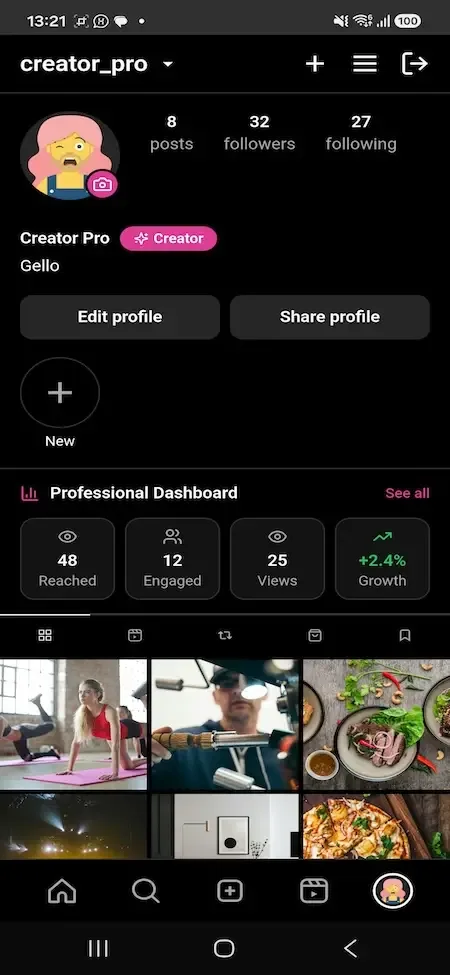
Creator studio 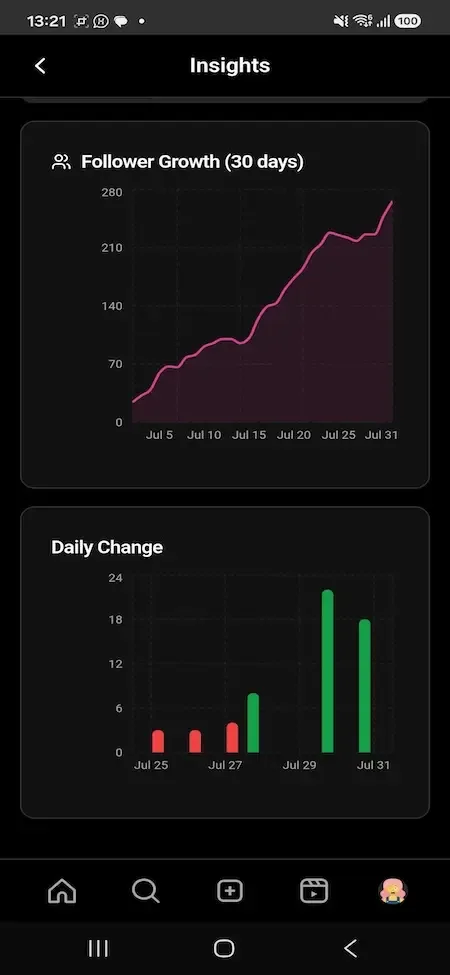
Creator studio 
Creator studio
What RedNote is known for, and what it teaches an operator
RedNote is widely known as a lifestyle community where people share image-led posts and recommendations, search by topic, and buy products they find along the way. That identity is why carousels, hashtag follows, private saves and shoppable tags sit at the center of this product, with the shop attached to the content rather than set apart from it.
The structural lesson for you is that discovery, trust and purchase belong on one surface. This page makes no claim about the original business. What it shows is how to arrange the same ingredients under your own name, with your own sellers and your own fee, in the market and language you choose to serve. Think of it as a design brief, not a comparison: choose the topics, the language and the shop terms that suit your market, and let the product hold them together.
Which lever to use at each stage of a notes community
Follow the order below rather than the mix of a mature network. Each row says what to switch on, and why that choice protects the trust that every other lever depends on.
| Stage | Lever to use | Why |
|---|---|---|
| Seeding | A small group of writers publishing carousels on set topics | A community with nothing worth reading earns nothing, so supply useful guides before anything else. |
| Launch | The native shop with a few trusted sellers | Sellers pay only when an order is delivered, and it needs no large audience to begin. |
| Expert writers | Creator tiers for writers with depth | Paid notes make sense once a few writers have readers who want more than the free guide. |
| Active readers | Gifts and verified profiles | Readers reward guides they used, and a badge helps people tell real experts from imitators. |
| Audience scale | Boosted notes from brands and sellers | Promotion sells once there is reach worth buying and a review team to keep it honest. |
Ways operators run a notes and shopping community
The same software supports quite different businesses. These are the common shapes, each leaning on different levers and a different relationship with writers and sellers, so you can see which resembles your plan.
Beauty and fashion community
Members post looks and reviews of products, and sellers tag the items behind them. The shop fee and boosts carry income, and trust matters most, because readers compare a recommendation with what they bought. Disclosure rules for paid posts need to be clear from the start. Hold a group of trusted reviewers back as an early cohort, because a feed that opens with credible posts attracts the next wave.
Home and lifestyle guides
Carousel guides to daily routines, recipes and renovations, which members save and come back to. Creator tiers for in-depth guides and a shop for the items used do most of the earning, and saves show which guides readers value. Because readers return to saved guides, seasonal collections such as a festival menu or a holiday renovation can bring them back at predictable moments, and shop tags convert that return visit into orders.
Travel and food discovery
Recommendations for places, followed through hashtags, with offers from partners placed inside the feed. Boosts from local businesses are the natural lever, and a city or region focus lets a small audience be valuable to nearby advertisers. Offer a simple self-serve boost for local venues, so a cafe owner can promote a seasonal menu without a sales call, and moderate claims such as prices and opening hours so readers are never misdirected.
A brand-led customer community
A direct-to-consumer brand invites customers and creators to share product stories, and sells through tagged posts. The shop is the primary line, with the platform serving the brand rather than a general audience. Customer stories double as product pages, so staff who look after the community also shape the shop, and the metrics that matter are saves, tag taps and delivered orders.
Mistakes that cost a recommendation community its credibility
Most failures come from damage to trust, not from the choice of lever. These are the patterns that recur, each with a habit that prevents it.
Letting paid posts pass as honest ones
If readers cannot tell an advertisement from a recommendation, they stop believing both. Require clear labeling of boosted and sponsored notes, and enforce it through the report queue and your own policy from the first week.
Opening the shop before any notes exist
A shop attached to a thin community looks like a catalogue, not a place people trust. Build a base of useful notes first, then introduce sellers and tags that grow from them. A first set of respected writers matters more than a long seller list, since sellers follow readers and not the reverse.
Pushing ads too early
Boosts shown to a small audience earn little and clutter the feed. Wait until your reach is worth buying and you have people to review campaigns, and use the shop fee to fund the early stage.
Ignoring fake praise
Coordinated praise for a product or seller is cheap to produce and costly to a community. Report tools exist on each note, comment and message, so staff them and act on patterns, not just single reports.
Promising reviews you have not built
Reviews are set up around the shop, so plan them in. If readers expect one and it is missing, trust suffers. Tell sellers and members what exists, and confirm reviews with us if your community will depend on them.
Setting fees without telling sellers
Sellers plan around the fee you charge on delivered orders. Publish it before they join, and announce any change well ahead, because a surprise deduction damages the relationships the shop depends on. A short fee schedule on one page, with an example of a delivered order and the deduction, prevents most arguments.
Which lever to switch on first
Begin by seeding the content: invite a small group of writers to publish carousel guides on a handful of topics, and let readers follow tags and save what they like. Then open the native shop to a few sellers you trust and set a fee on delivered orders. That fee only earns when a real purchase happens, which keeps your incentives aligned with the readers you are trying to serve.
Add creator tiers for the writers who build a following, and gifts so readers can reward guides they used. Keep boosts for later, once reach is worth buying and you can label and review campaigns properly. Across all of it, protect the honesty of what people read, because trust is the one thing you cannot buy back once it is lost.
Try the live RedNote Clone demo
A RedNote-style notes and shopping app runs on the same social commerce platform as our Instagram product, so the demo below is that shared build, shown with our demo branding and a public login for each role. Sign in as a member to read and save posts, as a creator to see tiers and tags, or as an operator to open the console.
-
Member web app
Open the Member web app demo- Login
demo@mxinsta.com- Password
demo123
Worth trying
- Open a carousel post and swipe through its images
- Save a post and look for it in your collection
- Search for a person and a hashtag
- Tap a product tag and add the item to the cart
-
Creator view
Open the Creator view demo- Login
creator@mxinsta.com- Password
creator123
Worth trying
- Open the tiers screen and see named perks
- Look at the insights and earnings charts
- Place a product tag on a new post
- Browse the gift catalogue and live tools
-
Operator admin console
Open the Operator admin console demo- Login
admin@mxinsta.com- Password
admin123
Worth trying
- Open the commerce panel and an order record
- Work a reported post through the moderation states
- Find the verification queue and the plan editor
- Check the audit log of privileged actions
-
Android app
Open the Android app demo- Login
demo@mxinsta.com- Password
demo123
Worth trying
- Take a photo with the native camera
- Move between the feed, explore and create tabs
- Open the wallet and check the balance
- Compare the app with the web version
RedNote Clone business model FAQs
Can sellers set their own prices and fees?
Sellers set their own prices on their listings, and the server checks them when an order is placed. The platform fee on delivered orders is your setting. You decide the rules for sellers, including what they may list and how refunds are handled through the console.
How are boosted notes kept honest?
The product records every event of promotional spend and lets operators force-pause any campaign. How boosted posts are labeled to readers, and what disclosure you require from creators and brands, is a policy you write and enforce through the report queue and the moderation workflow.
Can writers charge for their guides?
Yes. Writers define tiers with named perks and prices, and selected notes can be limited to subscribers or to a minimum tier. Each subscription settles in one atomic step, and you keep the platform share you configure for the tier line.
Do Apple and Google take a share of what readers pay?
Payments made inside mobile apps may fall under store in-app purchase rules, which include a share for the store. Price subscriptions and wallet top-ups with that in mind, and ask your advisers about alternative routes in your market.
Is there a revenue forecast I can rely on?
No, and we do not publish one. Results depend on your market, your take rate, your writers and sellers and your conversion, so any figure we invented would mislead you. We can describe which levers work at each stage and what each one requires.
Can I run the community without selling anything?
Yes. The shop is one module and can stay switched off, and revenue can come from tiers, gifts, verified plans and boosts alone. Some operators start content-only to build trust and enable the shop once the community has proven itself.
Explore the RedNote Clone
The overview and its companion pages answer the main questions in turn. Pick the one you need next.
-
RedNote Clone
The overview: live demo, screens, price and everything in the box.
Back to the overview -
Features
A lifestyle community is built on recommendations that people can find again and act on.
See the full breakdown -
Development cost
A notes and shopping community has two sets of costs: the software, paid once, and the business of running a marketplace, paid continuously.
See exact pricing -
Development company
A notes community that sells things needs search, trust and a checkout that holds together, so the choice of builder matters.
Compare options
→Start here
Tell us what you want to launch.
Share the platform and your market. You get a walkthrough of the live demo, the exact scope of what ships, and a fixed price in writing. First response in under 2 hours, Monday to Saturday, 10:00 to 19:00 IST.
Trademark and independence notice
This page uses the name RedNote to describe a type of platform. The product sold here is separate software, built independently, and RedNote has no part in it.
Why this name
"RedNote clone" is industry shorthand that founders use when searching for software with a comparable business model. It names a category of product, not a copy of RedNote.
Who built this
The platform is an original product designed and written by Miracuves. It contains no code, design, graphics or content originating from the RedNote website or applications, and it ships under your own brand.
Trademarks
RedNote and its logos are trademarks of their respective owner and are named here for reference only. GetFame is not affiliated with, sponsored by or endorsed by RedNote. Rights holders can write to legal@miracuves.com.
Operator responsibility. The operator of a launched platform is responsible for legal compliance in the markets it serves. Nothing on this page is legal advice.Read the full disclaimer